The morning your toaster oven dies usually follows a pattern. It toasts one side of the bread, smells faintly of burning plastic, flickers, and quits. You unplug it, slide it to the back of the counter, and then the real problem starts: what on earth do you do with it now?
A dead toaster oven is an awkward object. It’s too big for the kitchen bin, too “appliance-like” for the curbside recycling cart, and too heavy to ignore. So it sits there.
For weeks. Maybe months.
I’ve recycled, donated, and scrapped more small appliances than I can count, and the good news is this: a toaster oven is one of the easiest items to get rid of properly. It’s mostly steel, it’s accepted almost everywhere that takes e-waste, and you usually have several free options within a short drive. The bad news?
Most people default to the trash can, and that wastes perfectly recoverable metal.
This guide walks you through every route, donation, retailer take-back, scrap yards, municipal collection, and yes, the trash question too. I’ll cover how to prep the unit, which parts are actually recyclable, the regional rules that trip people up, and the mistakes I see over and over.

Image source: Pexels / Mizuno K (Pexels License)
How to Dispose of a Toaster Oven: The Quick Answer
Pressed for time? Here’s the short version.
- Check if it still works. A working toaster oven is worth donating or selling. A dead one goes to recycling.
- Prep the unit. Unplug it, let it cool completely, clean out crumbs and grease, and remove any pans or racks you want to keep.
- Recycle it as e-waste. Drop it at a local e-waste collection site, a retailer take-back counter, or a scrap metal yard. All three accept toaster ovens.
- Use the trash only if your local rules allow it. In parts of the UK, EU, and Australia, binning small appliances is against the rules. In most of the US it’s technically legal, but recycling is still the better choice.
- Never put it in your curbside recycling bin. Toaster ovens jam sorting equipment. Curbside bins are for packaging, not appliances.
That’s the whole process in five lines. Now let’s go deeper, because the details are where people get stuck.
Is a Toaster Oven Considered E-Waste?
Yes. Any device that plugs into a wall or runs on a battery counts as electronic waste, and a toaster oven plugs into a wall. That puts it in the same broad family as computers, chargers, and blenders, technically classified alongside “small household appliances” in most e-waste frameworks, including the EU’s WEEE (Waste Electrical and Electronic Equipment) rules.
Now, let’s be honest about something. A toaster oven is not a hazardous monster. There’s no lithium battery inside.
No mercury switch. No CRT screen. Unlike a microwave, it doesn’t even carry a high-voltage capacitor that holds a charge after unplugging.
A toaster oven is essentially a steel box with heating coils, one of the most benign electronics you’ll ever dispose of.
So why treat it as e-waste at all? Two reasons.
First, it’s a material goldmine in miniature. A typical toaster oven contains several pounds of steel, a copper-wired power cord, aluminum racks, and in digital models, a small circuit board. Steel is the most recycled material on the planet, and recycled steel needs roughly 70% less energy than steel smelted from raw ore. Tossing that in a landfill is like throwing a small bag of recoverable metal straight into the ground.
Second, digital models contain components you don’t want leaching. The circuit board in a programmable toaster oven carries solder joints and flame-retardant coatings. A single unit is a drop in the ocean, but millions of units add up, which is exactly why regulators treat small appliances as e-waste rather than household garbage.
The U.S. Environmental Protection Agency encourages recycling all electronics for precisely this reason: recover the metals, keep the contaminants out of the soil. Toaster ovens fit that guidance perfectly, even if they don’t make headlines the way phones and laptops do.
What Happens if You Just Throw It Away?
Let’s say you ignore all of this and drop the toaster oven into the trash. What actually happens?
The bag goes to the curb. The truck lifts the bin. Compactors inside the truck crush the load, and a steel box doesn’t crush gracefully.
It punches through plastic bags, jams transfer station equipment, and occasionally forces a whole sorting line to shut down while someone climbs in and cuts it free. Appliance-sized metal is one of the classic culprits in municipal waste facility downtime.
If it survives the ride, it lands in a landfill. And there it stays, essentially forever. Steel doesn’t biodegrade.
The plastic housing, the glass door, the heating coils, all of it just sits there for centuries while the exact same materials sit in finite supply above ground.
One honest caveat: a toaster oven won’t start a garbage truck fire. That risk comes almost entirely from lithium-ion batteries and compressed-gas cylinders hidden in other trash. So if your only concern was fire, you can relax.
The case for recycling rests on resource recovery and landfill reduction, not danger.
There’s also a legal layer. In some places, the UK and EU in particular, putting a toaster oven in household residual waste breaks the rules, and councils can take a dim view of it. I’ll cover the regional breakdown later, because this is where people get caught out.
A rule that doesn’t exist in Ohio might be actively enforced in Manchester.
Bottom line: throwing it away is usually the easiest option and always the worst one.
Start Here: Working vs. Broken
Before you pick a disposal route, answer one question. Does the toaster oven still do its job?
This single question cuts your options in half, so don’t skip it. And be honest with yourself, not “it works if you jiggle the dial” working, but genuinely, reliably working.
If It Still Works: Donate or Sell First
A functioning toaster oven has real residual value. Not much, let’s be realistic, but enough that recycling it is like shredding a twenty-dollar bill.
Selling options: Facebook Marketplace and Craigslist move used toaster ovens regularly, typically in the $10, 30 range depending on the brand. Breville and Cuisinart units hold value better than budget models. Price it cheap, note the model number, and it’ll usually vanish within a week.
Donation options: Goodwill, the Salvation Army, and most thrift stores accept working small appliances. Habitat for Humanity ReStore locations often take them too, since they stock kitchen and home goods. Shelters, transitional housing programs, and church groups frequently need them, a working toaster oven is genuinely useful to someone setting up a first kitchen.
One rule applies everywhere: call before you drop off. Donation centers reject items at the door all the time, and it’s far better to confirm acceptance than to make a wasted trip.
If It’s Dead: Straight to Recycling
A dead toaster oven has one destination: a recycler. Don’t donate it hoping “someone handy will fix it”, most thrift stores simply don’t have that capacity, and you’ve just made your problem their problem.
The one exception? Repair cafés. These community-run volunteer events fix small appliances for free, and a toaster oven with a snapped heating element or a failed thermal fuse is exactly the kind of project they love.
If your unit died from a fixable fault, a repair café search is worth ten minutes.
For everything else, move on to the prep steps below.
How to Prepare a Toaster Oven for Disposal
Preparation takes about ten minutes, and it matters. A greasy, crumb-filled appliance is unpleasant for donation staff, attracts pests at collection sites, and can even be refused. Here’s the sequence I use every time.
Step 1: Unplug it and let it cool. This sounds obvious, but give it a full hour after last use. Heating elements and the steel shell hold heat longer than you’d expect.
Step 2: Remove your accessories. Pull out the baking pan, rack, and crumb tray if you want to keep them. Many people don’t realize these parts fit other toaster ovens, sell surprisingly well online, or work as standalone kitchen gear. A bare oven tray is a useful object.
Step 3: Clean out the interior. Tip out the crumbs into the bin. Wipe the floor and walls of the cavity with a damp cloth. You’re not deep-cleaning, you’re just making sure it doesn’t shed food waste everywhere it goes next.
Step 4: Wipe down the exterior. Grease on the housing transfers to everything it touches, including your car seat and a donation center’s counter.
Step 5: Secure the cord. Loop the power cord and tape it to itself or tuck it inside the unit. A dangling cord snags on things, and scrap yards appreciate cords left attached, the copper inside is part of the value.
Step 6: Check for batteries. This one surprises people. Some digital toaster ovens with clocks and timers contain a small button battery on the circuit board. Pop the battery cover if there is one and check.
Button batteries absolutely do not belong in the waste stream, take them to a battery drop-off point, which most hardware stores and supermarkets host for free.
Step 7: Bag it if it’s grimy. If the unit is headed to a collection event or sitting in your trunk, a large trash bag around the base keeps things tidy. Skip the bag if you’re donating, presentation matters there.
That’s it. The unit is now clean, safe, and ready for whichever route you choose.
Where to Recycle a Toaster Oven
This is the heart of the process, so let’s go through every realistic option. Most readers will find at least three of these available locally.
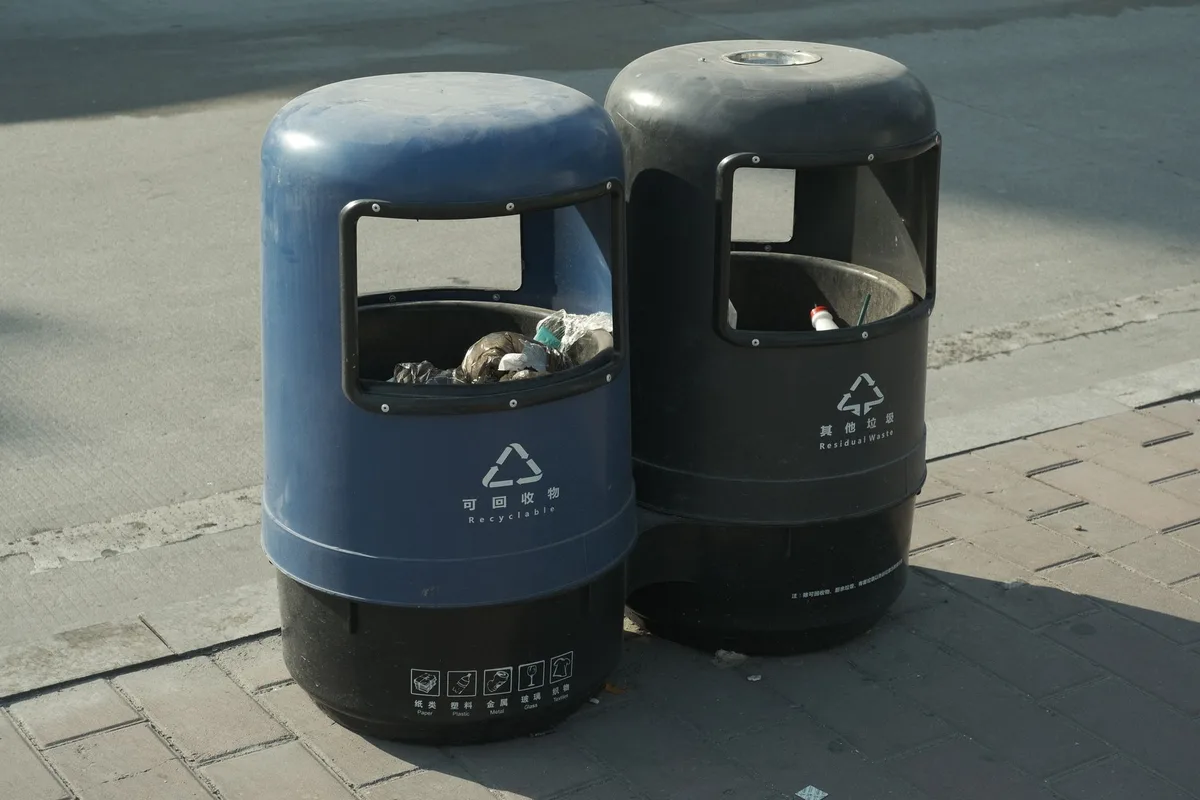
Image source: Pexels / Yori H (Pexels License)
1. Local E-Waste Recycling Drop-Off Sites
Nearly every county and municipality in the developed world now has some form of e-waste collection, a permanent drop-off depot, a designated corner of the transfer station, or a scheduled collection event. Small appliances with cords are accepted almost universally at these sites, and toaster ovens are squarely in that category.
Finding yours takes two minutes. Search “[your county] e-waste drop-off” or use a recycling locator like Earth911, which lets you search by ZIP code and material type. In the UK, your local council’s website lists household waste recycling centres (HWRCs), and every one of them has a small electricals skip.
Cost is usually zero for residents. Effort is one car trip. This is the default answer for most people.
2. Retailer Take-Back Programs
Big-box stores have quietly become the most convenient recycling infrastructure in many neighborhoods.
Best Buy runs one of the largest retail electronics recycling programs in the US, and most stores accept small appliances like toaster ovens at the customer service counter. Limits apply, typically a small number of items per household per day, and a few categories carry a small fee. Call your local store before you load the car, because participation details vary.
Staples accepts electronics at many locations, with a focus on office and small tech. Policies on small kitchen appliances vary by store, so ask first.
Goodwill deserves a mention here too. Many regional chapters run electronics recycling partnerships and accept non-working small electronics even when the item can’t be resold. Again: check your local chapter’s policy.
The beauty of retailer take-back is efficiency. You’re already driving to that shopping center anyway, so the marginal effort is nearly zero.
3. Scrap Metal Yards
If the toaster oven is well and truly dead, a scrap metal yard will take it happily, and unlike e-waste drop-offs, they’ll often pay you.
Let’s set expectations, though. A toaster oven weighs in around 5 to 12 pounds, most of it steel. At typical scrap prices, you’re walking out with somewhere between fifty cents and a couple of dollars.
Nobody retires on this. But the yard doesn’t care whether the unit works, whether it’s ugly, or whether the door is cracked, they care about the metal, and they’ll strip and sort everything properly. The copper cord, the steel shell, the nickel-chromium heating coils: all of it enters the recovery stream.
This is the best route for genuinely wrecked units, especially if you’ve got other scrap in the garage to make the trip worthwhile.
4. Municipal E-Waste Events and Bulk Pickup
Many cities run periodic household hazardous waste and e-waste collection events, spring cleanups, fall roundups, weekend drop-off days. Small appliances fit right in. Check your city’s public works or sanitation department calendar.
Some jurisdictions also offer special collection for bulky or non-standard items. If your regular trash service includes an annual bulk pickup, ask whether small appliances are accepted on that route or require a separate appointment. In dense cities like New York, sanitation departments run dedicated SAFE disposal events for electronics precisely because residents can’t easily transport heavy items themselves.
Renters, take note: this option exists for you specifically. If you don’t have a car or a garage, scheduled collection is often your only practical route.
5. Manufacturer Take-Back and Mail-Back
Some manufacturers operate take-back or mail-back recycling, and it’s worth checking the support pages of your brand, particularly the premium ones. Breville, Breville’s competitors in the premium space, and several European brands have expanded recycling programs in recent years, partly driven by EU extended producer responsibility (EPR) rules that make brands legally responsible for end-of-life products.
In practice, mail-back is most useful for rural households far from any drop-off site. You order or download a shipping label, box the unit, and send it. Costs vary, some programs are free, others charge a fee that covers shipping and processing.
6. Repair Cafés and Community Workshops
This one’s easy to overlook. If your toaster oven failed from a single bad part, a heating element, a thermal fuse, a worn switch, a repair café, makerspace, or high-school shop class may want it as a teaching unit or a donor for parts. Salvaged heating elements and thermostats keep other appliances alive.
It costs you nothing, keeps the unit out of the waste stream entirely, and occasionally someone fixes it and hands you back a working toaster oven. Long shot, but it happens.
Comparing Your Options at a Glance
| Option | Typical Cost | Effort | Best For |
|---|---|---|---|
| Municipal e-waste drop-off | Free | One trip | Almost everyone |
| Retailer take-back | Free–small fee | Errand combo | Shoppers, no-garage households |
| Scrap metal yard | Free; small payout | One trip | Broken units, garage cleanouts |
| E-waste collection events | Free | Scheduled | Apartment dwellers, bulk loads |
| Manufacturer mail-back | Varies | Shipping | Rural areas |
| Repair café / donation of parts | Free | One trip | Partially working units |
Which Parts of a Toaster Oven Are Recyclable?
Here’s where it gets interesting. A toaster oven looks like one object, but it’s really a stack of different materials, and recyclers treat each one differently.
Image source: Pexels / Mizuno K (Pexels License)
| Part | Material | Recyclable? | Notes |
|---|---|---|---|
| Housing / shell | Steel or stainless steel | Yes, widely | The bulk of the weight and value |
| Heating elements | Nichrome (nickel-chromium alloy) wire | Yes, at scrap yards | Not accepted curbside |
| Power cord | Copper wire, PVC insulation | Yes | Copper is the valuable part |
| Racks and crumb tray | Steel, aluminized or chrome-plated | Yes | Often reusable as-is |
| Glass door | Tempered glass | Rarely | Most facilities reject it |
| Knobs, handle, feet | Plastic (often heat-resistant phenolic) | Limited | Check local plastic rules |
| Circuit board (digital models) | Fiberglass board, solder, components | Yes, via e-waste recyclers | Contains solder; never curbside |
| Insulation | Mica, mineral wool | No | Recyclers strip it during processing |
| Screws and fasteners | Steel | Yes | Too small to separate by hand |
A few of these deserve explanation, because they’re the parts people ask about most.
The heating elements are the most misunderstood component. They’re made of nichrome, a nickel-chromium alloy chosen because it resists oxidation at glowing-hot temperatures. That alloy has real recovery value, and scrap yards accept it, but your curbside program will not.
The practical answer: leave the elements inside the unit and let the scrap yard or e-waste recycler handle them. You don’t need to disassemble anything.
The glass door is tempered safety glass, and that’s exactly why it’s a recycling headache. Tempered glass has a different composition and melting behavior than bottle glass, so container-glass recyclers reject it, one batch of tempered glass can ruin tons of recyclable cullet. Some auto-glass and specialty recyclers take it; most people’s honest option is wrapping it well and sending it to landfill if the door breaks.
That’s a small failure, not a scandal.
The circuit board, found only in digital models, is the one genuinely “electronic” component. Boards carry solder joints and flame-retardant coatings, which is why e-waste recyclers process them through dedicated channels. Certified e-waste facilities recover the metals on the board, copper, tin, traces of precious metals, using controlled processes.
This is the strongest argument for using a proper e-waste channel rather than the scrap yard alone, especially for programmable units.
Everything metal, shell, racks, tray, screws, is the easy win. Steel is recycled at higher rates than almost any material on Earth because the economics work. Your toaster oven’s shell will likely live on as rebar, a new appliance shell, or a car part.
The practical takeaway: you don’t need to strip the unit down. Hand the whole assembled toaster oven to a scrap yard or e-waste recycler, and their shredding and sorting equipment separates the materials far more efficiently than you ever could with a screwdriver.
Can You Legally Throw a Toaster Oven in the Trash?
This is the question everyone actually wants answered, so let’s be precise. The answer depends heavily on where you live.
United States
At the federal level, there’s no ban on trashing small appliances. The EPA’s electronics recycling guidance is voluntary, aimed at steering consumers toward better options rather than prohibiting disposal.
State laws complicate the picture. Most state e-waste bans target specific categories, televisions, computer monitors, batteries, mercury-containing devices, and a toaster oven doesn’t typically appear on those banned lists. California, for example, charges a recycling fee on “covered electronic devices,” which are overwhelmingly screens; a toaster oven isn’t one of them.
That said, states like CalRecycle’s home base of California maintain dense networks of certified e-waste collectors, and some individual cities and counties impose their own local restrictions that go beyond state law.
The honest summary for the US: in most places, trashing a toaster oven is legal but discouraged. Municipal guidance almost always points you to recycling first, and a surprising number of local ordinances treat small appliances as prohibited items in regular collection. When in doubt, a two-minute call to your sanitation department settles it.
United Kingdom and European Union
Here the rules are firm. Under the UK’s WEEE Regulations and the EU’s WEEE Directive, small household appliances must not go in general household waste. Full stop.
The upside is a well-developed system. Every household waste recycling centre in the UK has skips for small electricals, most councils accept small WEEE items at the kerbside on request or at designated points, and retailers have legal take-back obligations, if you buy a new toaster oven from a large store, they must take the old one back. Some retailers offer collection even without a purchase.
Binning a toaster oven in the UK isn’t just poor form; it’s a breach of the rules that households are expected to follow.
Australia and Canada
Australia has moved the same direction, state by state. Victoria and South Australia ban e-waste from landfill outright, which covers small appliances. Other states steer strongly toward drop-off programs.
Canada runs province-by-producer programs under extended producer responsibility. British Columbia’s ElectroRecycle program, for instance, accepts small kitchen appliances, toaster ovens included, at dozens of drop-off depots at no charge.
Quick Regional Reference
| Region | Trash Legal? | Main Recycling Route |
|---|---|---|
| US (federal) | Yes | Voluntary e-waste drop-off |
| US (varies by city/state) | Sometimes restricted | Local e-waste programs |
| California | Technically yes for this item | CalRecycle network of collectors |
| UK | No — banned under WEEE | Council HWRC or retailer take-back |
| EU | No — banned under WEEE | Municipal collection points |
| Victoria / South Australia | No — e-waste landfill ban | State drop-off programs |
| British Columbia | Strongly discouraged | ElectroRecycle depots |
One universal rule cuts across every region: your curbside recycling bin is never the answer. Appliance-sized metal damages sorting machinery at materials recovery facilities, and no curbside program in the world wants a toaster oven in the blue cart.
Safety Tips: Handling, Cleaning, and Transporting
Toaster ovens are among the safest appliances to dispose of, but a few precautions make the process painless.
Let it cool completely. An hour of cooling after last use, minimum. The shell and elements hold heat well past the point where they feel “probably fine.”
Unplug, then handle. Here’s a fact that surprises people used to microwave warnings: a toaster oven has no high-voltage capacitor. A microwave stores lethal charge after unplugging; a toaster oven is simple resistive heating and holds essentially no stored energy. Once it’s unplugged and cool, there’s no shock hazard.
Still, unplug first anyway. Habit is protection.
Watch the sheet-metal edges. The cut edges of a toaster oven’s steel shell are sharper than they look, especially on older units where the coating has worn. Wear gloves if you’re lifting it repeatedly or hauling it in a car.
Handle broken glass deliberately. If the door has shattered, remember that tempered glass doesn’t crack in a few big pieces, it explodes into thousands of small granules. Wrap everything in a folded towel or cardboard, tape it shut, and label it “broken glass” so nobody downstream gets cut. Don’t try to recycle shattered tempered glass curbside; it will be rejected at best and injure a sorter at worst.
Transport it upright and bagged if it’s dirty. Residual grease will migrate. A trash bag around the base saves your car interior and the collection site’s floor.
Never burn it or strip it with heat. A small minority of people burn insulation off cords to recover copper. The copper in a toaster oven cord is worth perhaps a dollar. Burning PVC releases toxic fumes, and it’s illegal in most jurisdictions.
It’s a bad trade at any price.
Clever Ways to Reuse a Toaster Oven Before Recycling It
If the unit works but you’ve simply upgraded, don’t rush to dispose of it. A working toaster oven has genuine second lives.
Dedicated craft oven. Bakers of polymer clay use a dedicated toaster oven so food-grade ovens never touch clay residue. Crafters actively search for cheap second-hand units for exactly this purpose, which also means yours has resale value you might not have considered.
Workshop helper. Hobbyists use toaster ovens for curing small painted parts, shrinking heat-shrink tubing in bulk, and even reflowing circuit boards in DIY electronics projects. A garage-dwelling toaster oven earns its counter space.
Parts donor. Even a dead unit can give up its racks, tray, cord, and elements to keep another toaster oven alive. Repair cafés and makerspaces accept parts donations gladly.
None of these delay the inevitable forever, but every extra year of use is a year the embodied materials stay out of the shredder. Reuse always beats recycling.
Mistakes to Avoid When Disposing of a Toaster Oven
I’ve watched people stumble on the same handful of errors. Skip these.
- Putting it in the curbside recycling bin. The single most common mistake. Curbside facilities sort packaging, cans, bottles, cardboard. A toaster oven is a brick in that system, and it can shut down a sorting line.
- Donating a broken unit “for parts.” Unless the charity has explicitly said they take broken items, you’ve just handed them a disposal problem. Call first, every time.
- Skipping the clean-out. A toaster oven full of old crumbs and grease gets rejected at donation counters and attracts pests at storage yards. Ten minutes of cleaning prevents the refusal.
- Leaving it on the curb unannounced. In areas with rules against illegal dumping, an unplaced appliance on the verge can earn a fine, and scavenged appliances left half in the street create hazards. Use scheduled pickup instead.
- Disassembling it needlessly. You don’t need to gut the unit before recycling. Recyclers separate materials mechanically. Your screwdriver adds risk and saves nothing.
- Forgetting the button battery. Some digital models carry one. It’s a two-second check that keeps a problematic item out of the wrong stream.
- Assuming all rules are the same everywhere. The neighbor who trashed theirs last year may live in a different jurisdiction, or may have gotten away with something you won’t. Verify your own local rules.
FAQ: How to Dispose of a Toaster Oven
Can I put a toaster oven in my curbside recycling bin?
No. Curbside programs handle packaging and containers, not appliances. A toaster oven can damage sorting equipment, and it will be pulled out as contamination at best.
Take it to an e-waste drop-off, a retailer take-back counter, or a scrap yard instead.
Does Best Buy take old toaster ovens?
Most Best Buy stores accept small appliances and electronics at the customer service counter, with limits on the number of items per household per day and occasional small fees for certain categories. Policies vary by location, so call your local store before heading over.
How much money can I get for an old toaster oven?
Working units sell for roughly $10, 30 on Facebook Marketplace or Craigslist, with premium brands fetching more. A dead unit scrapped at a metal yard pays somewhere between fifty cents and two dollars. Real numbers, honestly stated, this is not a get-rich item.
Is it dangerous to disassemble a toaster oven?
Far less than a microwave. A toaster oven has no high-voltage capacitor and no stored electrical charge once unplugged. The real hazards are sharp sheet-metal edges and broken tempered glass.
But there’s no need to disassemble it at all, recyclers handle material separation themselves.
How do I dispose of a toaster oven in the UK?
Take it to your local household waste recycling centre, which every council operates, or use retailer take-back, large stores must accept an old appliance when you buy a similar new one. Many councils also offer kerbside collection for small electricals on request. Do not put it in household waste; WEEE rules prohibit it.
What do I do if the glass door is broken?
Wrap all fragments and granules in a folded towel or layers of cardboard, tape it closed, and mark it “broken glass.” Curbside glass recycling won’t take tempered glass, so unless a specialty recycler nearby accepts it, disposal with your regular trash per local rules is the realistic option. Wear gloves and sweep the area thoroughly, tempered glass scatters.
Can I donate a toaster oven that still works?
Yes, and you should. Goodwill, Salvation Army, Habitat ReStore, shelters, and community kitchens all make good homes for working small appliances. The one non-negotiable rule: call ahead to confirm they’re accepting small appliances that day.
Is it illegal to throw a toaster oven in the trash?
Depends where you live. In most of the US, it’s legal but discouraged, though some cities and counties restrict appliances in regular collection. In the UK and EU, it’s prohibited under WEEE regulations.
In parts of Australia, landfill bans cover it. Check your local sanitation department’s guidance, one phone call settles it.
Should I remove the cord before recycling?
No, leave it attached. The copper wiring inside the cord is part of the unit’s scrap value, and scrap yards and e-waste recyclers want it intact. Just loop it up and tape it so it doesn’t snag during handling.
What’s the single most eco-friendly option?
If it works: donate or sell it, keeping it in service. If it’s dead: a certified e-waste recycler or scrap metal yard. Both recover the steel, copper, and aluminum for reprocessing, and e-waste facilities properly handle the circuit board if your model has one.
The trash can is the last resort, not the first instinct.
The Bottom Line
Disposing of a toaster oven properly is a ten-minute errand, not a saga. The unit is mostly recyclable steel, nearly every community has a free drop-off route, and the prep work amounts to unplugging, cooling, and wiping it out. Donate it if it works, recycle it if it doesn’t, and only fall back on the trash if your local rules genuinely allow it, which, in much of the world, they increasingly don’t.
The heating coils that browned your last thousand slices of toast still have value locked inside them. Send them somewhere useful.