A good smoothie blender isn’t a luxury anymore. It’s the kitchen workhorse that turns frozen mango, spinach, protein powder, and ice into something you’ll actually drink every morning. Pick the wrong one, though, and you’ll end up with chunky lumps, a burnt-out motor, or a jar that leaks when you pour.
That’s frustrating, and avoidable.
I’ve spent years testing blenders, breaking down fruit in test kitchens, and talking to the people who design these machines. This guide walks you through every decision that matters, so you spend your money once and actually enjoy the result.
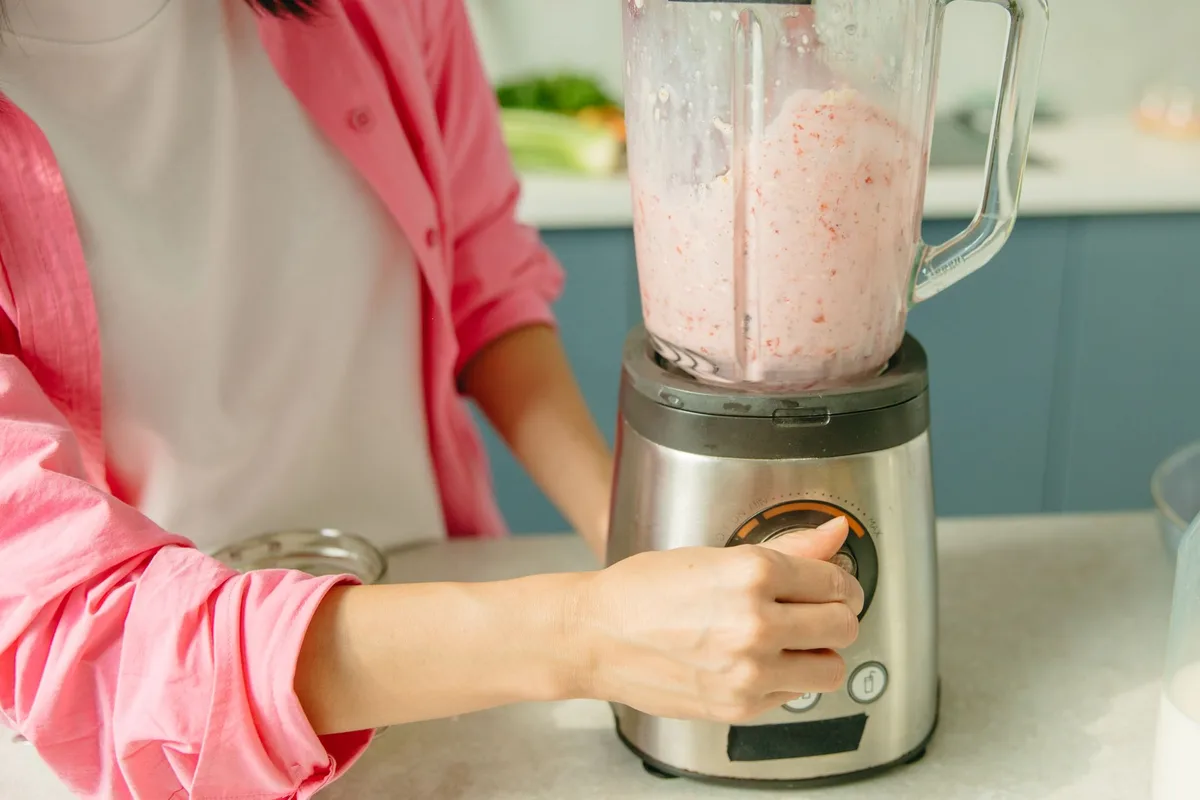
Image source: Pexels / Yaroslav Shuraev (Pexels License)
Motor Power and Wattage: Why It Matters More Than You Think
Wattage is the headline spec, but it’s not the only thing that matters. A 1,500-watt motor in a poorly designed base can underperform a 1,200-watt motor in a great one. Still, power tells you a lot about what a blender can handle.
For everyday fruit smoothies, look for at least 600 watts. For frozen berries, ice, and fibrous greens like kale, you’ll want 900 watts or more. If you’re blending tough ingredients daily, frozen bananas, nut butter, raw carrots, aim for 1,000 to 1,500 watts.
But here’s the part most buyers miss: torque matters more than peak wattage. Torque is the rotational force that keeps the blade moving through thick loads. A blender can list 1,200 watts on the box but stall the moment you drop in a cup of frozen strawberries.
Look for phrases like “continuous-duty motor” or “high-torque design” in the specs.
Countertop blenders typically dominate here. Personal blenders under 600 watts can handle a basic banana-strawberry mix but struggle with anything truly frozen.
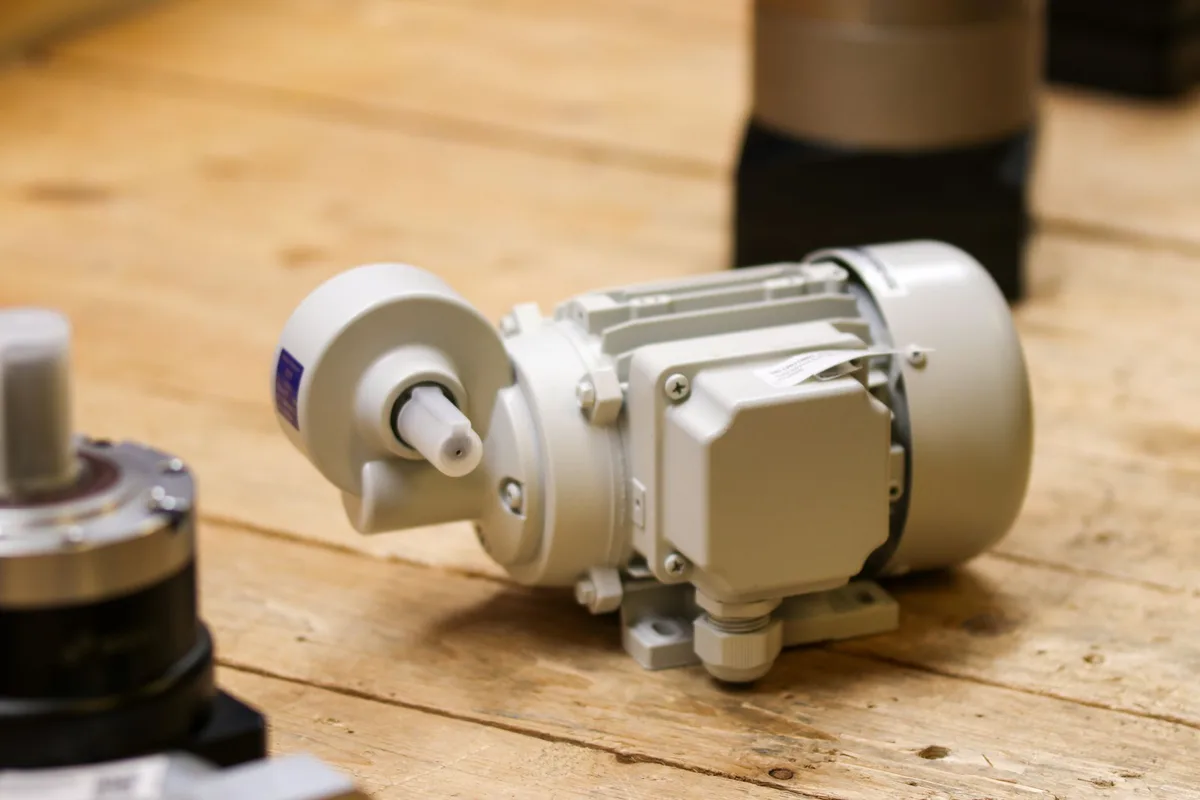
Image source: Pexels / Freek Wolsink (Pexels License)
Blade Design and Jar Material
Two things crush ice and pulverize fiber: blade geometry and jar shape. Get either wrong, and you’ll be scraping chunky protein off the sides forever.
Blade Design
Most modern blenders use either four-prong or six-prong blades. Four-prong blades are the classic design, fine for smoothies, decent for soups. Six-prong blades (sometimes called “wingtip” or “asymmetric” blades) create more turbulence, pulling ingredients down into the cutting zone faster.
They handle ice and frozen fruit noticeably better.
Stainless steel is non-negotiable. Carbon steel dulls fast and can rust. Look for blades that are laser-cut or stamped from a single piece.
Avoid blades that look stamped and flimsy, they’ll round off their edges within months.
Stacking two blades in the same jar (a “stacked assembly”) gives you extra cutting power and is common in higher-end blenders. It works well but costs more to replace when sharpening time comes.
Jar Material
Three materials dominate the market:
- Glass, heavy, scratch-resistant, doesn’t stain or absorb odors. The downside: it breaks if you drop it.
- Tritan plastic, lightweight, shatterproof, and BPA-free. Most personal blenders use it.
- Stainless steel, virtually indestructible but completely opaque. You can’t see how your smoothie is blending.
For most home kitchens, Tritan wins on practicality. Glass feels nicer but adds weight and risk. The jar shape also matters.
Tall, narrow jars create a stronger vortex than short, wide ones, which means smoother blends with less air.
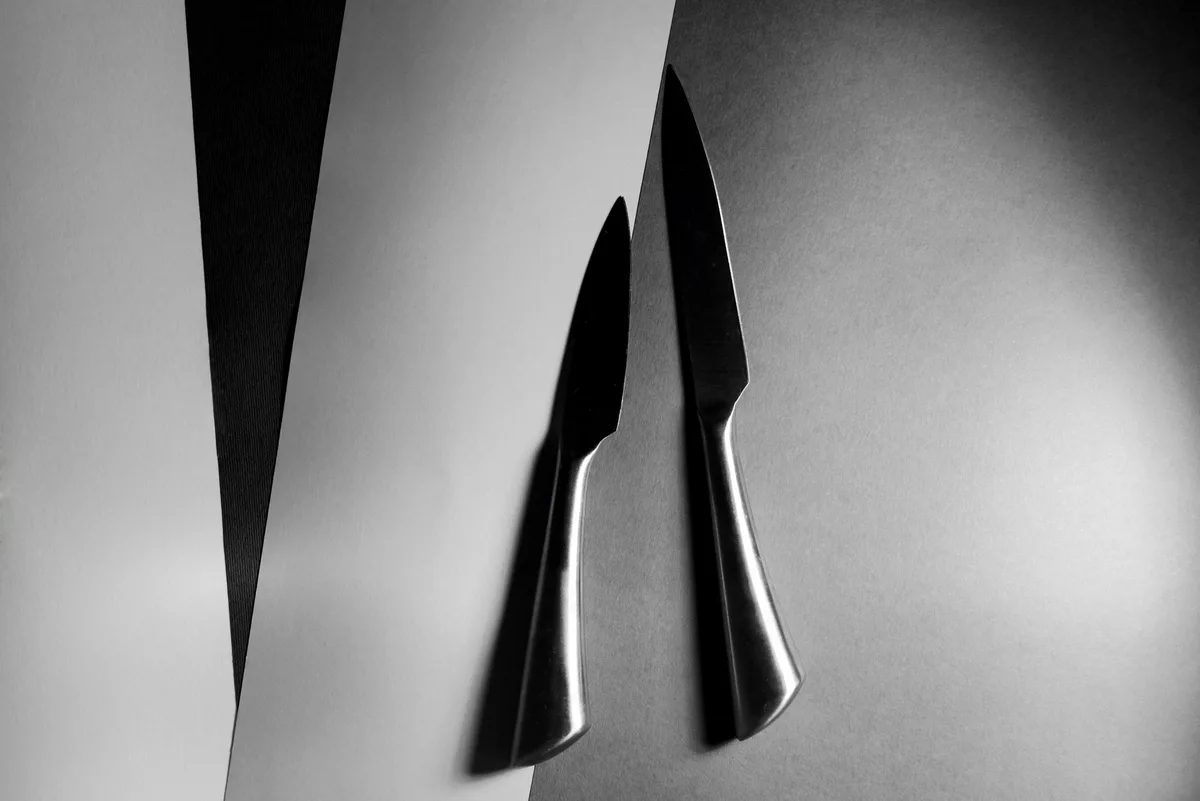
Image source: Pexels / Mozhgan Elahi (Pexels License)
Capacity and Size: Match the Blender to Your Household
Buying a 64-ounce jar for a single person who makes one smoothie a day is overkill. Buying a 32-ounce jar for a family of four is a recipe for back-to-back blending cycles.
Here’s a quick rule:
- Single or couple: 32 to 40 ounces is plenty.
- Small family (3, 4 people): 48 to 64 ounces.
- Batch prep / meal prep: 70 ounces or more, but check that the motor can handle the larger volume.
Personal blenders (16 to 24 ounces) are popular right now, and for good reason. They’re perfect for grab-and-go mornings. But they limit your ingredients.
If you like adding lots of ice, frozen fruit, and liquid, you’ll overflow a 16-ounce jar fast.
Also measure your counter space. A 1,500-watt full-size blender can stand 18 inches tall. If you’re storing it under a cabinet, that matters more than you think.
Speed Settings and Controls: More Than Just “High” and “Low”
Most cheap blenders have two speeds and a pulse button. That’s fine for basic smoothies. But if you cook with your blender, make hot soups, nut butter, or frozen desserts, variable speed gives you real control.
Pulse lets you chop without pureeing. Low speeds handle soft fruits and dressings. Medium speeds crush ice.
High speeds blend thick smoothies.
Some premium blenders offer pre-programmed cycles. These run for a set time at varying speeds, stopping automatically. They’re convenient but not essential.
A good variable-speed dial does the same job with a bit more attention.
What you do want: a clear on/off switch and a pulse button. Touchscreens with no tactile feedback can be frustrating when your hands are wet or sticky.
Durability, Warranty, and Build Quality
A smoothie blender should last at least five years with regular use. Anything less, and the manufacturer cut corners somewhere, usually the motor or the blade assembly.
Look at the base weight. A heavy base means a heavier motor and better stability. Lightweight bases tend to walk across the counter when the blade hits something tough.
Read the warranty carefully. A full warranty covers parts and labor for one to two years. A motor warranty of 5 to 10 years is a strong sign the manufacturer stands behind the build.
Brands that offer lifetime warranties on the jar or blade assembly are even more confident.
Avoid blenders with sealed bases you can’t open. If the motor burns out, you’ll be replacing the entire unit instead of just the motor. Serviceable designs are worth the premium if you plan to keep the blender for a decade.
Countertop vs. Personal Blender: Which One Fits Your Life?
Countertop blenders win on raw power, capacity, and versatility. They handle ice, frozen fruit, fibrous greens, and even hot soups. If you cook, you’ll use them for more than smoothies, pesto, hummus, salad dressings, pancake batter.
Personal blenders win on convenience. You blend in the same cup you drink from, which means less cleanup and faster mornings. Modern personal blenders have gotten much stronger, many now crush ice and frozen fruit with ease.
They just can’t match the throughput of a full-size unit.
My take: if smoothies are 80% of what you make, a high-end personal blender is great. If smoothies are one of many things you blend, get a countertop model. If you can afford it, many kitchens benefit from both.
Noise: The Underrated Spec Nobody Talks About
Blenders are loud. There’s no way around the physics of spinning a blade at 20,000+ RPM. But some models are quieter than others.
Sound-dampening enclosures, rubber mounts, and slower ramp-up cycles can cut noise by 10 to 20 decibels. That’s the difference between waking up your partner and not.
If you blend early in the morning or have thin apartment walls, look for models specifically marketed as “quiet” or “low-noise.” They cost a bit more but the sanity is worth it.
Cleaning and Maintenance: The Real Long-Term Cost
A blender you hate to clean is a blender you’ll stop using. Period.
Most modern blenders handle at least basic self-cleaning: add warm water and a drop of dish soap, run on high for 30 seconds, rinse. This works well for daily smoothie residue.
But check these specifics:
- Are the blades removable? Removable blades clean thoroughly but require caution when handling.
- Is the jar dishwasher-safe? Even if listed as dishwasher-safe, hand-washing extends jar life.
- Does the base have crevices that trap food? Smooth, sealed bases wipe clean in seconds.
Hard water can leave mineral deposits on glass jars. A monthly soak in white vinegar keeps them sparkling.
Smart Features Worth Considering
A few extras that genuinely add value:
- Tamper tool, A long plastic rod that pushes food into the blades without stopping the machine. Essential for thick blends and nut butter.
- Auto-shutoff, Stops the motor when the load is clear. Protects the motor and saves electricity.
- Programmed cycles, Convenient for one-touch smoothie making.
- Wireless connectivity, Mostly gimmicky. Skip it unless you’re into app-controlled appliances.
What you can skip: built-in scales, Bluetooth speakers, touchscreens that require two hands. These inflate the price without improving the blend.
Top Mistakes Buyers Make
After years of blender reviews, I see the same five mistakes:
- Buying by wattage alone. A high-wattage motor with poor blade geometry just spins in place.
- Choosing a giant jar you’ll never fill. A vortex only forms when food covers the blades properly.
- Skipping the warranty fine print. A 30-day return policy isn’t a warranty.
- Ignoring jar weight. A heavy jar is fine on the counter but miserable to lift and pour.
- Skimping on personal blenders for tough jobs. A 300-watt personal blender can’t crush ice, no matter what the box claims.
Avoid these, and you’re already ahead of most buyers.
Safety Tips Worth Knowing
Blenders are powerful machines. Treat them with respect.
- Never stick your hand in the jar. Use the tamper tool.
- Keep the lid on tight. Hot liquids expand when blended and can blow the lid off.
- Unplug before cleaning the base.
- Let the motor cool between heavy loads. A few minutes of rest prevents overheating.
Most modern blenders have thermal cutoffs that stop the motor if it overheats. If yours keeps shutting off mid-blend, you’re probably overloading it. Add more liquid or work in smaller batches.
FAQ: Common Questions About Choosing a Smoothie Blender
How much should I spend on a good smoothie blender?
You can find a reliable blender for everyday smoothies between $80 and $150. Premium models with stronger motors and better warranties run $300 to $700. For most people, $100 to $200 is the sweet spot.
Can a personal blender really replace a full-size one?
For single-serve smoothies, yes. If you blend for multiple people, make soups, or use it for meal prep, a countertop model is the better choice.
Do I need a special blender for frozen fruit and ice?
You need enough power, at least 700 watts for occasional ice, 900+ for daily frozen blends. The blade design matters more than the wattage number alone.
Is glass or plastic better for blender jars?
Glass is more durable against scratches and odors. Plastic is lighter and won’t shatter. For most users, high-quality Tritan plastic is the practical winner.
How long should a smoothie blender last?
With regular use, a quality blender lasts 5 to 10 years. Motors are usually the first thing to go. A good warranty indicates the manufacturer’s confidence in longevity.
Final Thoughts Before You Buy
The best smoothie blender is the one you’ll actually use every day. Think honestly about your habits. Are you a single-serve morning person or a meal-prep weekend warrior?
Do you cook with your blender, or is it strictly for smoothies? How much counter space do you have?
Match the blender to those answers, and you’ll end up with a machine that makes your mornings easier, not another appliance that gathers dust on the counter. That’s the whole point. A good blender pays you back in time, in nutrition, and in smoothies you actually finish drinking.
Take your time, focus on motor torque, blade design, and jar material, and you’ll choose well.