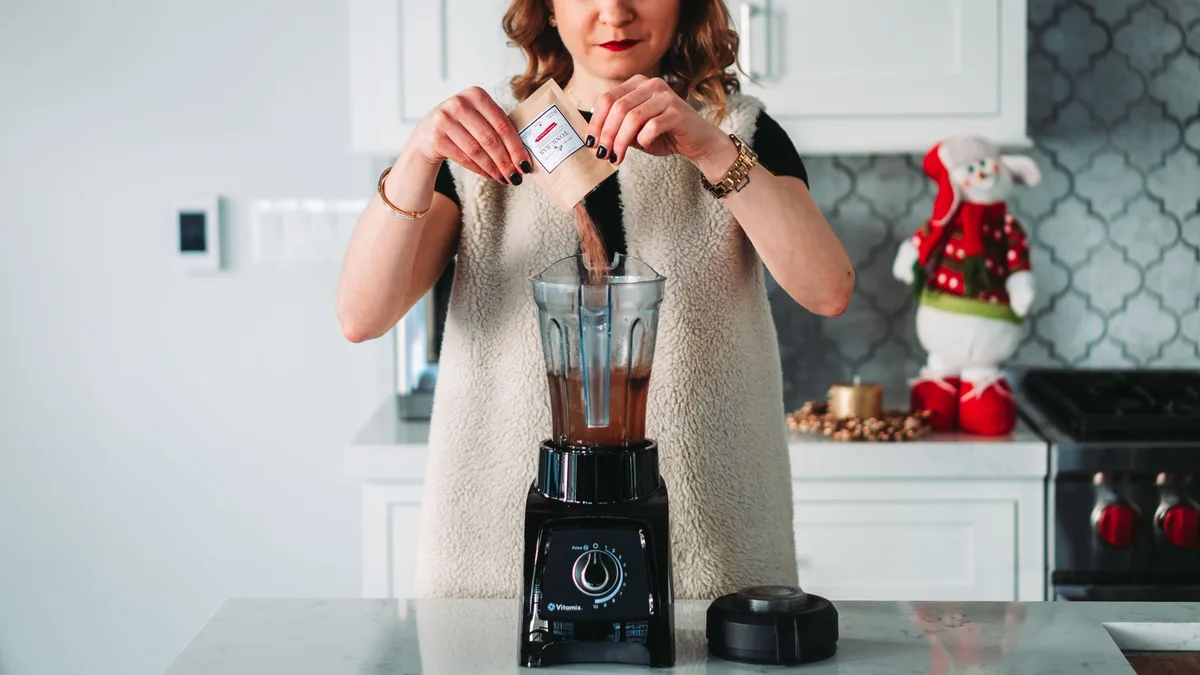
A personal blender should fit on your counter, disappear into a cabinet, and still crush ice without sounding like a dying hairdryer. But with dozens of models ranging from $20 bargain units to $200 premium machines, picking the right one feels harder than it should. I’ve spent years testing small appliances, and I’ll walk you through exactly what to look at, what to skip, and where the real value hides.
What Exactly Is a Personal Blender?
A personal blender is a compact countertop blender designed for single servings. Most hold between 12 and 24 ounces, which is the right size for a morning smoothie, a post-workout shake, or a quick protein mix. They’re smaller, lighter, and cheaper than full-size blenders, and they often double as travel cups since the jar detaches and flips into a lid.
You’ll see them sold under different names: mini blender, single-serve blender, portable blender, bullet blender. They all describe the same category of machine. The defining traits are a small footprint, a jar that doubles as a cup, and enough power to handle soft fruits, leafy greens, and ice.
If you cook for one or two people, a personal blender is usually the smarter buy than a 64-ounce family blender that sits half-empty nine days out of ten.
Why You Might Want One
Personal blenders hit a sweet spot most kitchens overlook. Here are the use cases where they genuinely shine.
Quick smoothies and shakes. Toss in banana, berries, protein powder, milk. Blend for 30 seconds. Drink straight from the cup.
No extra dishes.
Small-batch sauces and dressings. Pesto, hummus, salsa, vinaigrette. A personal blender handles a single cup of each without the waste of firing up a full-size machine.
Crushing ice. Most personal blenders in the $50-and-up range crush ice cleanly. That’s not true of every cheap unit, but the category has gotten much better over the past five years.
Travel and small spaces. Dorm rooms, RVs, studio apartments, office desks. A personal blender fits where a full-size unit simply won’t.
The U.S. Food and Drug Administration publishes guidance on food-contact materials and BPA-safe plastics, which is worth a quick read if you’re sensitive about what touches your food.
Blending Power and Motor Wattage
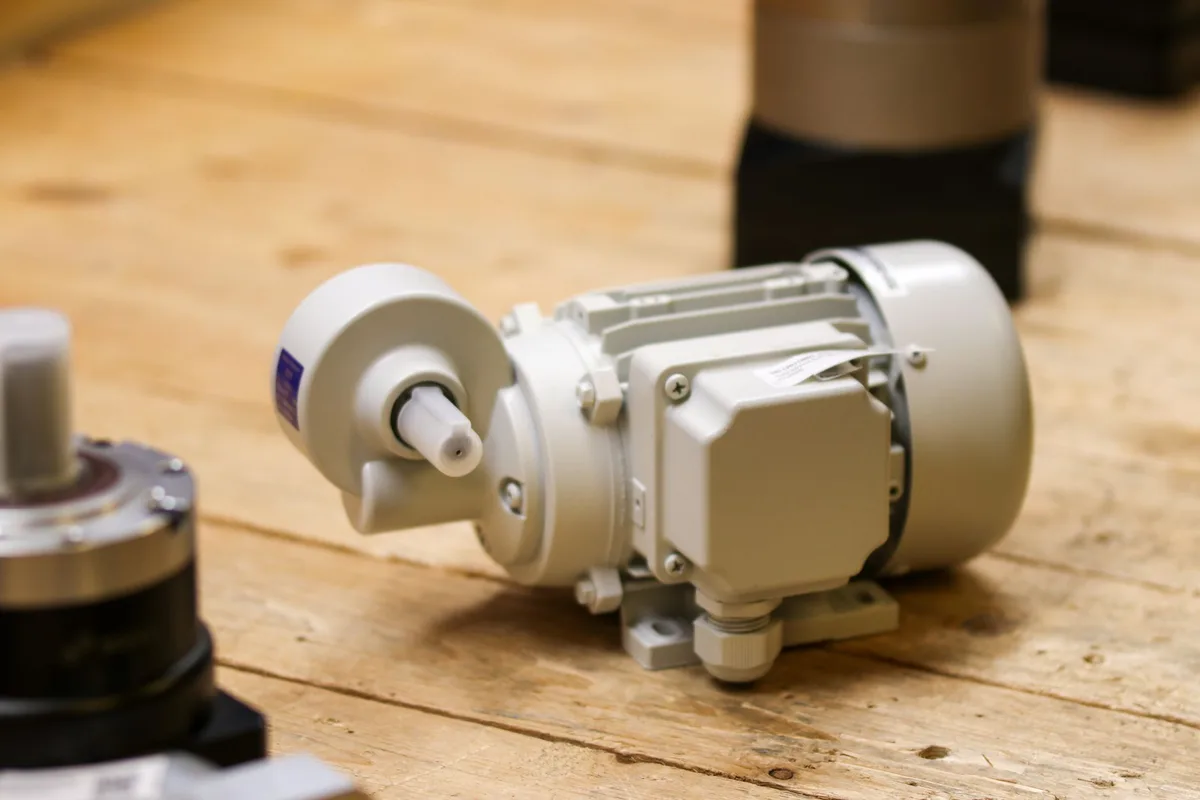
Wattage gets thrown around like it tells the whole story, but it doesn’t. A 1,000-watt motor with a poorly designed blade will underperform a 700-watt motor with a sharp, well-angled blade in a narrow jar. Still, wattage is the easiest spec to compare, and it’s a decent starting point.
300 watts and under. Sufficient for soft fruit, yogurt, and protein shakes. You’ll struggle with ice, frozen berries, or anything fibrous like kale stems. Skip this range if you want a real-workhorse machine.
500 to 700 watts. The sweet spot for most users. Handles ice, frozen fruit, leafy greens, and nut butter without bogging down. Most quality personal blenders land here.
900 watts and up. Overkill for many, but great if you blend tough stuff daily. Think fibrous vegetables, hard ice, frozen mango chunks.
One thing the spec sheets won’t tell you: torque matters as much as raw wattage. A motor that spins fast with no resistance won’t crush ice. Look for reviews that mention how the blender handles frozen ingredients specifically, not just the wattage on the box.
Jar Size, Material, and Portability
The jar is the part you’ll touch every day, so it deserves real attention. Three things matter: size, material, and whether it doubles as a travel cup.
Size. Most personal blenders ship with 16- to 20-ounce jars, which is the right range for a single smoothie. If you want a generous serving or plan to share, look for 24-ounce options. Anything under 14 ounces is too small for a real meal replacement.
Material. Tritan plastic is the modern standard. It’s BPA-free, lightweight, and tough. Glass jars are heavier but won’t stain or scratch.
Stainless steel is rare in this category but shows up on a few premium models.
Portability. The best personal blenders have jars that unscrew from the blade base, flip a lid on top, and slide into a cup holder. If you’ll actually take it on the go, this matters. If it lives on your counter, it matters less.
One more thing: lid quality. Cheap lids leak. Look for a flip-top spout with a secure seal, and read reviews specifically about leaking during transport.
Blade Quality and Design
The blade is where the real blending happens. Most personal blenders use a four-pronged stainless steel blade, but the geometry varies.
Flat blades are common on budget units. They work for soft stuff but won’t pull ingredients down into the cutting path on their own. You’ll need to shake the jar.
Pitched blades with an upward angle create a vortex that pulls ingredients down. This is what you want for ice and frozen fruit. Look for blades described as “aircraft-grade” or “laser-cut,” though those terms are marketing fluff unless backed by a real material spec.
Six-prong blades show up on higher-end models and genuinely help with tough ingredients.
A dull blade is the most common reason a “broken” blender ends up in a landfill. If you can, check whether replacement blades are sold separately. That’s a small detail that extends the life of the machine.
Controls and Usability
Buttons look similar across models, but the experience varies a lot.
Push-button controls are the most common. You press a button, the blender runs for a preset time, and it stops. Simple, reliable, no learning curve.
Variable speed dials give you more control. Useful if you want to pulse chunky salsa or blend a thick nut butter gradually.
Preset programs like “smoothie,” “ice crush,” and “self-clean” sound nice but often just run the motor for a fixed time. They can be helpful for beginners, but a basic pulse button does the same thing.
The more important question is how easy the jar is to assemble and clean. Twist-off bases that you can rinse under the tap in ten seconds save more time than any preset program.
Noise Level
Personal blenders are quieter than full-size machines, but some are still loud enough to wake the household. Anything over 90 decibels gets old fast.
If you blend at 6 a.m., look for models that specifically advertise noise reduction. Some use rubberized bases or sound-dampening motor housings. Reviews almost always mention noise, so check there before you buy.
Cleaning and Maintenance
The easiest blender to own is the one you’ll actually clean. Personal blenders have a real advantage here because the jar is small and the blade base is usually dishwasher-safe.
Self-clean cycles work by adding water and a drop of soap, then running the motor for 30 seconds. They get the jar about 90% clean. You’ll still want to hand-wash occasionally.
Dishwasher-safe parts matter if you don’t want to hand-wash. Most jars and lids are top-rack safe. Blade bases vary.
Gaskets and seals are the parts most people forget. Check whether the rubber gasket around the blade base is removable and washable. If it isn’t, you’ll get a lingering smell after blending garlic or ginger.
A blender that’s annoying to clean gets used less. That’s the real cost of a cheap unit.
Common Mistakes to Avoid
A few traps catch first-time buyers. Skip these and you’ll be ahead of most shoppers.
Buying by wattage alone. A 1,200-watt motor in a poorly designed jar is worse than a 600-watt motor in a well-engineered one.
Ignoring the lid. A leaky lid ruins portability. Check reviews for this specifically.
Skipping the warranty. Cheap blenders die fast. A 1-year warranty is the minimum I’d accept. Premium brands offer 2 to 5 years.
Overspending on features you won’t use. Preset programs, smart-app connectivity, and touchscreen controls are nice but not necessary. Spend the money on blade quality and motor reliability instead.
Forgetting about cup-holder fit. If you plan to take the jar in the car, measure your cup holder. Some 24-ounce jars don’t fit, and you’ll discover this on the first drive.
Price Ranges and What to Expect
Here’s a rough breakdown of what your money buys in this category.
Under $30. Entry-level units. Fine for soft fruit and protein shakes. Don’t expect ice crushing or long-term durability.
Good as a backup or gift.
$30 to $80. The value zone. Most quality personal blenders live here. You’ll get 500 to 700 watts, decent blades, and a usable travel lid.
This is where I’d recommend most people shop.
$80 to $150. Premium features. Better motors, longer warranties, sometimes stainless steel components. Worth it if you blend daily.
$150 and up. High-end models with extra power, smart features, or designer looks. Diminishing returns unless you have a specific reason to spend more.
Who Should Buy a Personal Blender
A personal blender is right for you if you live alone or with one other person, make smoothies or shakes more than once a week, have limited counter space, or want a grab-and-go morning routine.
It’s the wrong tool if you cook for a family, blend hot soups regularly, or need to process large batches of anything. For those uses, a full-size blender or even a food processor is the better buy.
Final Recommendations
If I had to pick one rule for this entire category, it’s this: prioritize motor quality and blade design over wattage and features. A well-built 600-watt personal blender will out-blend and outlast a poorly built 1,200-watt one every time.
Read reviews from people who’ve owned the blender for six months or longer, not just first-impression reviews. Long-term reviews reveal motor burnout, lid cracking, and gasket wear that short-term reviews miss.
And remember the U.S. Food and Drug Administration also oversees kitchen appliance safety standards, which is why sticking with recognized brands matters more than chasing the cheapest unit on Amazon.
Pick based on how you’ll actually use it, not on what’s marketed hardest. A personal blender that fits your routine, cleans in under a minute, and lasts three years is a far better buy than a flashy model that ends up in a cabinet after two months.
3 thoughts on “How to Choose a Personal Blender”