
Image source: Pexels / SHVETS production (Pexels License)
You’ve finally decided to replace that scratched non-stick skillet and the warped aluminum pot. Good for you. But now you’re staring at a pile of old cookware and thinking, “Can I just throw this in the recycling bin?”
Short answer: it depends. Most curbside recycling programs don’t accept cookware, not because the materials aren’t recyclable, but because the mix of metals, coatings, and handles makes sorting a nightmare. But that doesn’t mean your old pots and pans have to hit a landfill.
With the right know-how, almost every piece of cookware can be recycled, repurposed, or responsibly disposed of.
I’ve spent years in the sustainability space, and I’ve seen people toss perfectly recyclable cast iron into the trash because nobody told them the rules. This guide changes that. I’ll walk you through the exact steps for recycling every type of cookware, from stainless steel to non-stick to enameled cast iron, and give you the local resources you need to get it done.
Why Can’t You Just Throw Cookware in the Curbside Bin?
Let’s start with the frustrating truth. Most municipal recycling programs are designed for single-material items like aluminum cans, glass bottles, and paper. Cookware is a composite nightmare.
A typical frying pan has a metal body, a non-stick or ceramic coating, a plastic or rubber handle, and sometimes rivets made of a different metal. Sorting facilities aren’t set up to separate those components.
The materials themselves are valuable. Steel, aluminum, and cast iron are highly recyclable. But the coatings and attachments contaminate the stream.
If a single Teflon-coated pan ends up in a batch of scrap aluminum, it can ruin the whole melt. That’s why most facilities simply reject cookware.
So, what do you do? You find a specialized recycler or a scrap metal yard. That’s the real answer.
And the good news is, it’s usually free and sometimes even pays you a few bucks.
Step 1: Identify Your Cookware Material
Before you do anything, figure out what your pan is made of. Different materials go to different places. Here’s how to tell them apart:
Stainless steel, Heavy, silvery, and usually has a magnetic bottom (if it’s clad with aluminum or copper, the magnet won’t stick). No coating.
Aluminum, Lightweight, dull gray, often with a shiny interior. If it’s anodized, it’s still aluminum.
Cast iron, Extremely heavy, black or dark gray, rough surface. Plain cast iron has no coating. Enameled cast iron has a glossy, colored finish.
Non-stick (Teflon, ceramic, etc.), Smooth, slick interior surface. Usually aluminum or stainless steel underneath.
Copper, Warm reddish-brown. Often lined with tin or stainless steel. High-value scrap.
Carbon steel, Looks like cast iron but thinner and lighter. Usually tin-coated or seasoned.
Once you know the material, you can pick the right recycling path.
Step 2: Where to Recycle Cookware (Best Options)
1. Scrap Metal Yards
This is the most reliable option. Scrap yards accept all metals, and they pay by weight. Call ahead and ask if they take cookware.
Most do, but some won’t take pieces with non-metal handles or coatings. If your pan has a plastic handle, you might need to remove it first (more on that below).
What you’ll get:
- Cast iron: $0.05, $0.10 per pound
- Stainless steel: $0.20, $0.50 per pound
- Aluminum: $0.30, $0.80 per pound
- Copper: $2.00, $4.00 per pound
Prices vary by region. Not a fortune, but better than zero.
2. Retail Take-Back Programs
Several major retailers have cookware recycling programs. This is the easiest option if you don’t want to drive to a scrap yard.
Target, Their recycling program accepts cookware through their in-store recycling stations. Drop off clean metal pots, pans, and lids. They do not accept non-stick or coated items in all locations, so check first.
Whole Foods, Some locations have a recycling bin for small metal items. Call your local store.
IKEA, Has a take-back program for all types of metal cookware. You can bring them to the returns desk.
Local hardware stores, Some Ace Hardware, Lowe’s, and Home Depot locations have recycling bins for metal. Not all do, so call.
3. Municipal Special Collection Events
Many cities hold recycling events a few times a year. They accept items that don’t go in the regular bin, like electronics, batteries, and scrap metal. Cookware is usually welcome.
Check your city’s waste management website for dates.
4. Donate to a Metal Recycling Nonprofit
Some charities accept metal cookware for recycling. Organizations like Habitat for Humanity ReStore take metal items if they’re in working condition, but they also have recycling partnerships for damaged pieces. Call before donating.
5. Mail-In Recycling Programs
If you live in a rural area with no nearby scrap yard, you can mail your cookware to a specialized recycler. TerraCycle offers a metal recycling box (paid program). Earth911 has a search tool to find mail-in options.
Can You Recycle Non-Stick Pans?
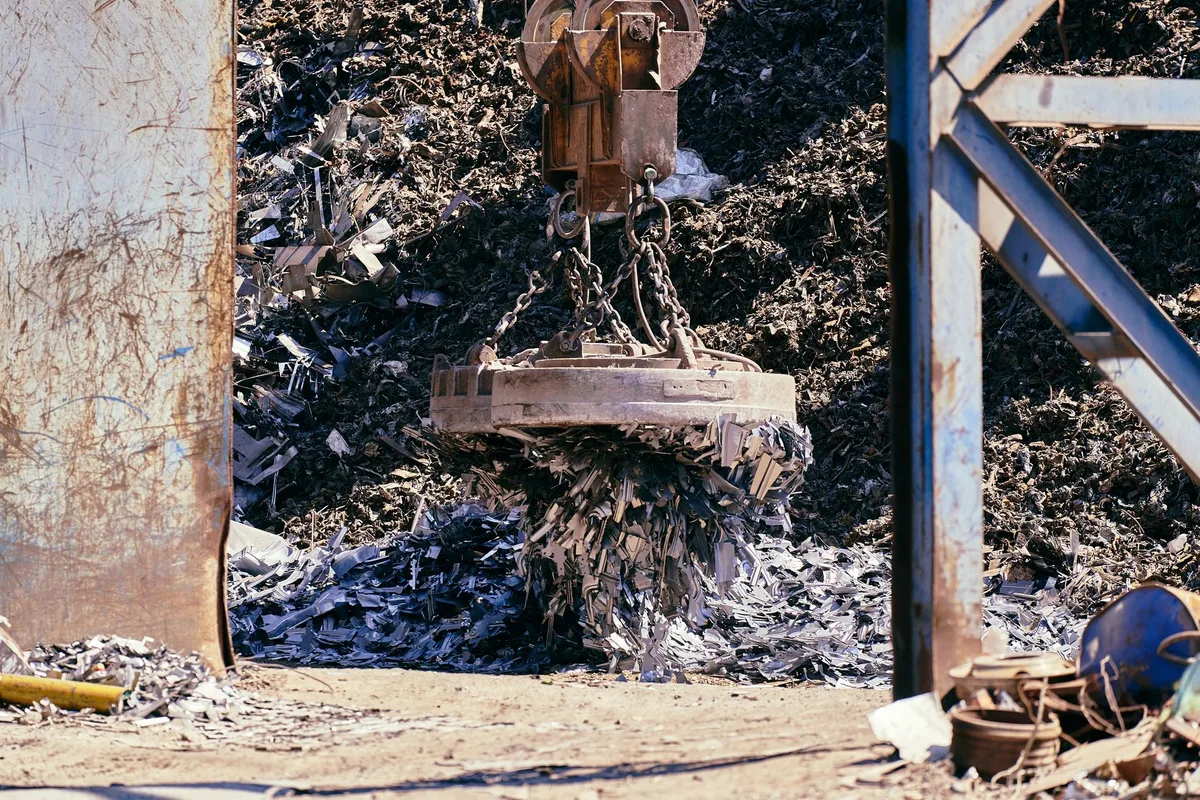
Image source: Pexels / Willians Huerta (Pexels License)
This is the trickiest category. Non-stick coatings, whether PTFE (Teflon), ceramic, or silicone, are not recyclable in the traditional sense. The coating contaminates the metal.
But that doesn’t mean the pan is worthless.
Here’s what works:
Option A: Remove the coating before recycling. This is labor-intensive, but possible. You can sand off the non-stick layer (wear a mask, the dust is toxic) or use a chemical stripper. Once the bare metal is exposed, it’s recyclable as scrap.
Option B: Take it to a specialized recycler. Some scrap yards have industrial processes that burn off coatings. Not all do. Call and ask if they accept “coated aluminum” or “coated steel.”
Option C: Use a retail take-back program. Target’s program sometimes accepts non-stick pans. Again, verify with your local store.
Option D: Repurpose it. If the pan is still functional but you just don’t want it, donate it to a thrift store. Someone else will use it. If it’s scratched or peeling, do not donate, those pans shed chemicals into food.
What about “ceramic non-stick”? Ceramic coatings are still a coating. Same problem. The pan underneath is typically aluminum, so you can follow the same steps.
What About Cast Iron?
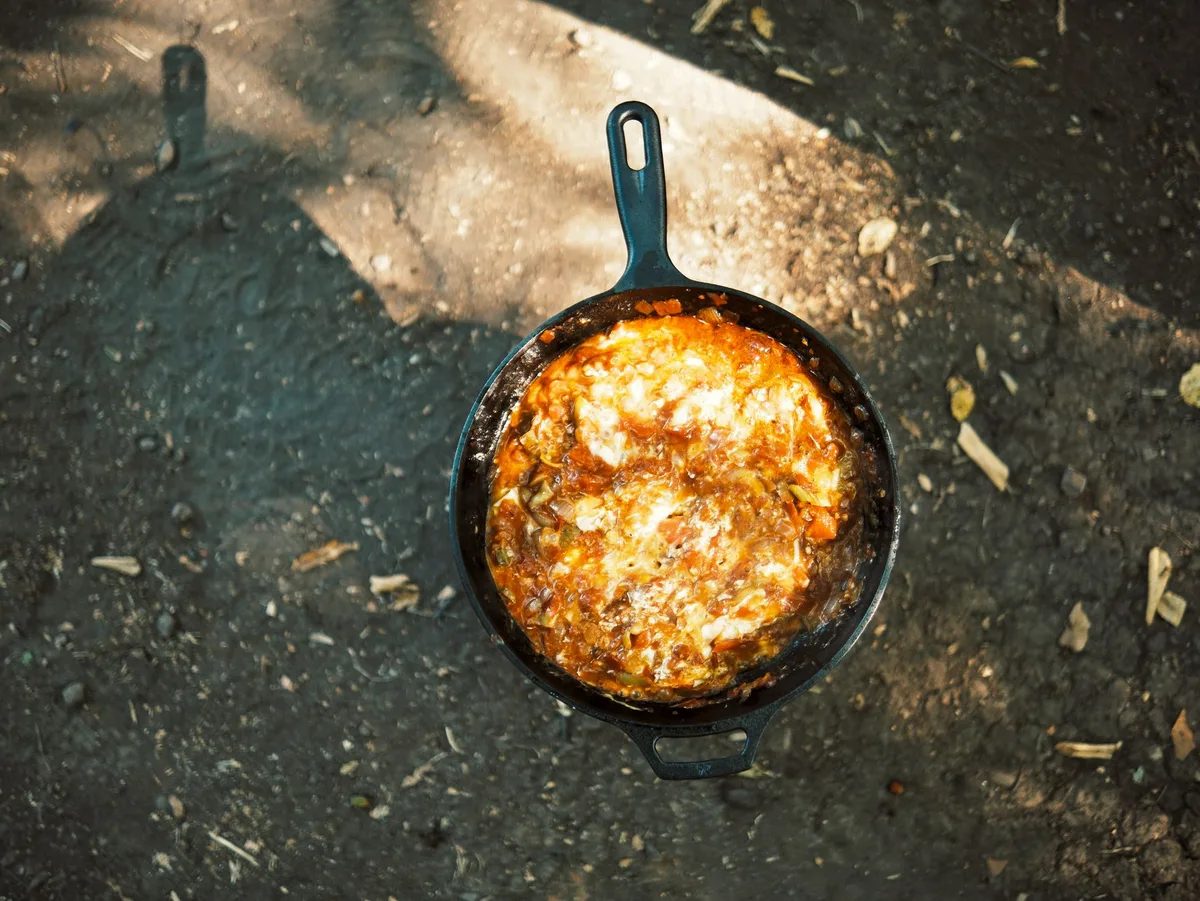
Image source: Pexels / Abdullah Öğük (Pexels License)
Cast iron is the easiest cookware to recycle. It’s pure iron. No coatings, no plastic handles (usually).
Scrap yards love it. It’s also one of the most valuable metals per pound.
Plain cast iron, Drop it at any scrap metal yard. They’ll weigh it and pay you. No prep needed.
Enameled cast iron, The enamel coating (the glossy colored finish) is glass. It’s not recyclable in the same melt. However, most scrap yards will still take it because the iron content is high.
The enamel will be skimmed off during the recycling process. Call ahead to confirm.
Cast iron with a glued-on handle, Some modern cast iron pans have silicone or plastic handles. Remove them if possible. A screwdriver or a few taps with a hammer usually does the trick.
Don’t throw away rusty cast iron, Rust is not a problem for recycling. The iron is still good. Scrap yards accept rusty metal.
How to Prepare Cookware for Recycling
A little prep goes a long way. It makes the recycler’s job easier and sometimes gets you a better price.
1. Remove non-metal parts. Plastic handles, silicone grips, and wooden knobs. Most are attached with screws or rivets.
Unscrew them. If they’re riveted, a grinder or drill can remove them. The metal body is what’s valuable.
2. Clean the pan. Remove food residue and grease. You don’t need to scrub it like new, but a clean pan is less likely to attract pests and is easier for the recycler to handle.
3. Separate different metals. If you have a stainless steel pan with an aluminum bottom, it’s fine as a single piece. But if you have a separate lid made of glass, don’t throw it in with the metal.
Glass lids go to a glass recycling stream or the trash.
4. Check for recycling symbols. Some pans have a stamp on the bottom indicating the metal type. “Al” for aluminum, “SS” for stainless steel, “Fe” for iron. That helps the recycler sort quickly.
5. Don’t mix materials. If you have a non-stick pan and a cast iron pan, don’t tie them together. Keep them separate.
What About Glass and Ceramic Cookware?
Glass and ceramic bakeware (like Pyrex, CorningWare, or stoneware) are not recyclable in standard glass recycling. They have a different melting point and chemical composition. They can cause defects in the glass recycling process.
What to do:
- Donate if it’s in good condition. Thrift stores accept it.
- TerraCycle offers a mail-in program for glass and ceramic cookware (paid).
- Trash is the last resort. Many municipalities recommend putting it in the garbage because it’s not recyclable.
Broken glass or ceramic cookware, Wrap it in newspaper or place it in a sealed bag before throwing it away to protect sanitation workers.
Can You Recycle Cookware Handles and Lids?
Handles: If they’re metal, yes. If they’re plastic, wood, or silicone, no. Those go in the trash.
Some recycling centers accept plastic handles if they’re separated, but most don’t.
Lids: Metal lids go with the cookware. Glass lids go to glass recycling (if your local program accepts glass cookware, most don’t, so check). Lids that are a mix of metal and glass (like a stainless steel rim with a glass center) are tricky.
You can usually separate the metal rim, then recycle the glass separately.
How to Recycle Cookware That’s Beyond Repair
Some pans are warped, rusted through, or broken. That’s fine. They’re still recyclable as scrap metal.
Warped aluminum pans are still valuable. Rusted cast iron is still iron. Even a pan with a hole in the bottom is better than landfill.
One exception: If you have a non-stick pan with peeling coating, don’t give it to a thrift store. The coating will flake into food. Recycle it through a scrap yard or a retail take-back program.
What If You Can’t Recycle It? 5 Creative Repurposing Ideas
Sometimes logistics get in the way. You live in a remote area. The scrap yard is closed.
Retail programs are paused. In that case, repurpose your cookware instead of trashing it.
1. Plant pot, Drill a drainage hole in the bottom of an old pan. Use it as a planter for herbs or succulents.
Works great with cast iron and enameled pans.
2. Tool organizer, Hang a magnetic pan on the wall and use it to hold screwdrivers, wrenches, or kitchen utensils.
3. Drain cover, An old lid can cover a pot or a hole in the yard.
4. Bird bath, An old shallow pan, turned upside down and placed on a stand, makes a simple bird bath.
5. Art project, Paint it, weld it, or hammer it into a sculpture. Scrap metal artists love old cookware.
The Environmental Impact of Recycling Cookware
Let’s put numbers on it. Recycling one ton of steel saves 2,500 pounds of iron ore, 1,400 pounds of coal, and 120 pounds of limestone. Recycling aluminum uses 95% less energy than producing new aluminum.
Every skillet you recycle keeps those materials in the loop.
On the flip side, throwing cookware in the trash means it ends up in a landfill. Metals don’t break down. They sit there for centuries.
Non-stick coatings can leach chemicals into the soil over time. Recycling is always the better choice.
Common Mistakes People Make When Recycling Cookware
Mistake 1: Putting it in the curbside bin. I know I said it before, but it bears repeating. The bin is for single-material items. Cookware is not.
It will get sorted out and sent to the landfill anyway.
Mistake 2: Leaving plastic handles on. Scrap yards often reject pans with plastic because they don’t want to deal with removing them. Take the handle off first.
Mistake 3: Mixing metals. If you have a copper pan, don’t throw it in with your aluminum. Separate them for better recycling.
Mistake 4: Assuming all recycling centers are the same. Call ahead. Every scrap yard has its own rules. Some accept non-stick, some don’t.
Some take enameled cast iron, some don’t. A quick phone call saves a wasted trip.
Mistake 5: Not cleaning the pan. A greasy pan attracts rodents and smells. Clean it, even if it’s just a quick rinse.
Local Resources to Find Cookware Recycling Near You
- Earth911.com, Search “cookware recycling” plus your ZIP code. This is the most comprehensive database.
- RecycleNation.com, Similar tool. Good for finding scrap metal yards.
- iRecycle, Free app with location-based recycling info.
- Your city’s waste management website, Look for “special collection events” or “household hazardous waste” (they sometimes accept metal).
- Call 2-1-1, In many areas, you can dial 2-1-1 for local recycling information.
The Bottom Line: Yes, You Can Recycle Cookware — But It Takes a Little Effort
You can’t just toss it in the blue bin. But you can absolutely recycle it. Identify the material.
Remove non-metal parts. Call a scrap yard or check a retail program. If all else fails, repurpose it.
The effort is tiny compared to the environmental win. Every pan you recycle saves raw materials, energy, and landfill space. And honestly, it feels good to know you’re not just adding to the pile.
So next time you upgrade your kitchen, don’t let the old cookware sit in a cabinet or go to the dump. Give it a proper end. Your future self, and the planet, will thank you.