Induction cooking is getting popular fast. And for good reason. It heats faster than gas.
It’s safer, no flame, no red-hot coils. It gives you precise control. But here’s the reality check: you can’t just grab any pan from the cupboard.
If it isn’t magnetic, it won’t work. You’ll set your glass cooktop to high, and the stove will just blink at you.
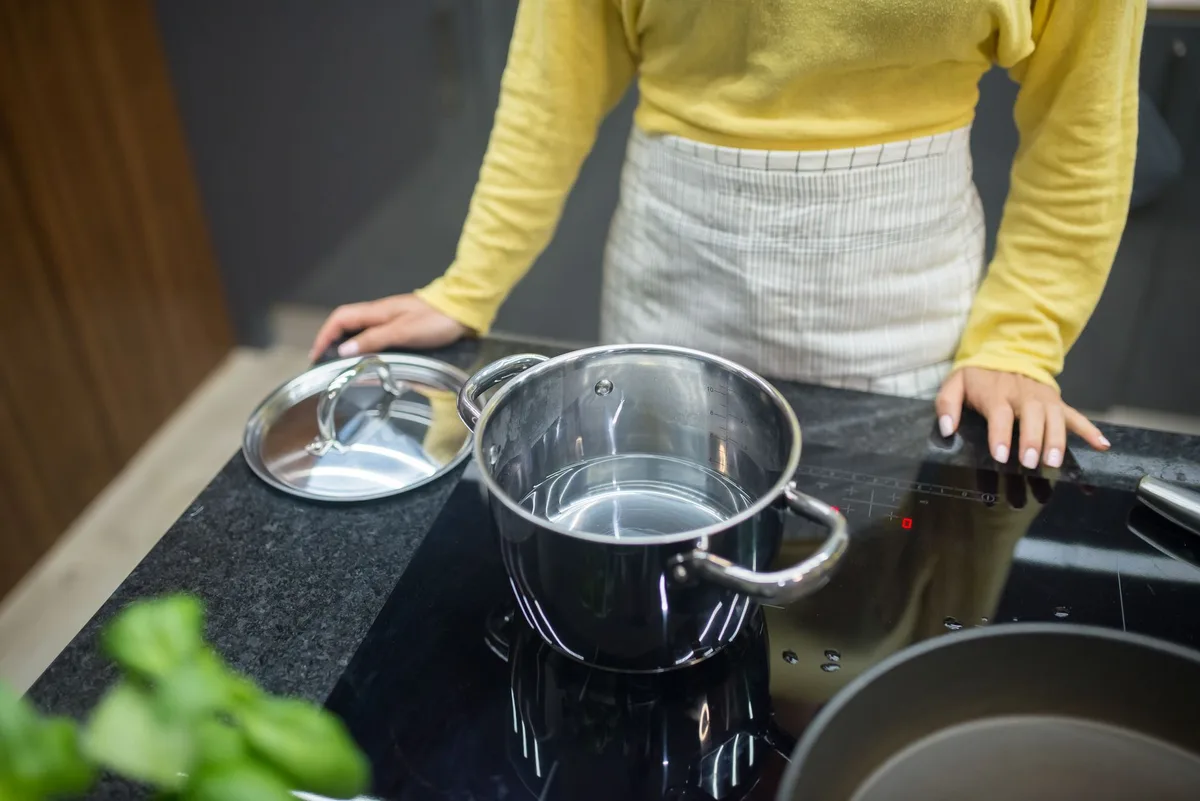
Image source: Pexels / Kampus Production (Pexels License)
I’ve been cooking on induction for over a decade. I made the mistakes so you don’t have to. This article is my complete guide to identifying induction cookware.
We’re covering the magnet test, the visual cues, the materials, and the construction traps to avoid. By the time you finish reading, you’ll be able to walk into any kitchen store and spot the winners instantly.
What Is Induction Cookware?
Induction cookware is built on a simple rule. The pan base must be ferromagnetic. That means it has to contain iron.
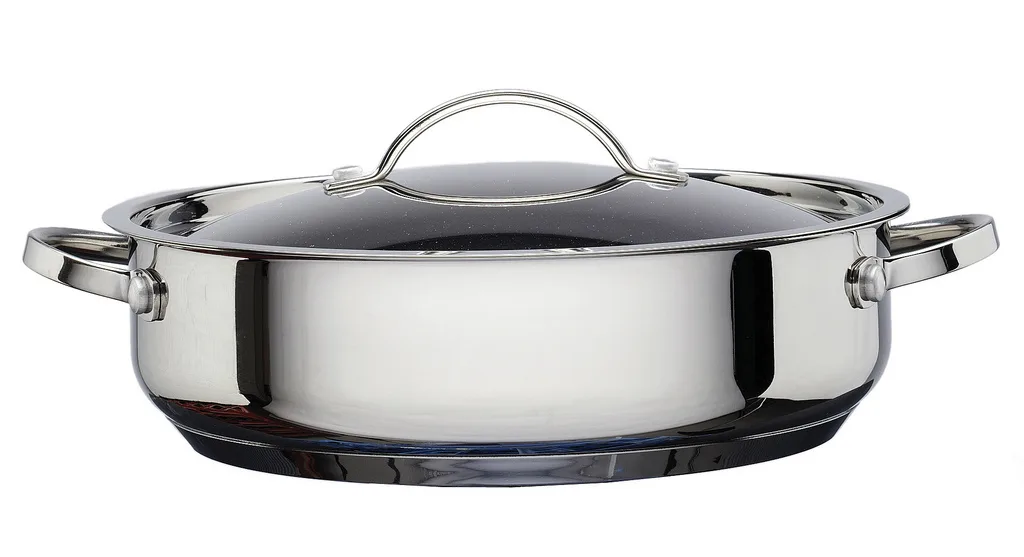
Image source: Wikimedia Commons / Cooks & Kitchens from Darlington, UK (CC BY)
How does it work? Inside your induction cooktop is a copper coil. When you turn it on, electricity flows through that coil and creates a magnetic field.
That field passes straight into the pan’s base. It shakes the iron molecules inside until they generate heat. The pan cooks the food.
The cooktop surface itself stays cool.
This is why induction is so efficient. The U.S. Department of Energy highlights that induction transfers up to 85% of its energy to the food.
Gas struggles to hit 40%. But that efficiency only works if your pan can grab hold of that magnetic field. If it can’t, you get nothing.
How to Test Your Cookware for Induction Compatibility
You don’t need a science lab. You need a magnet and a sharp eye.
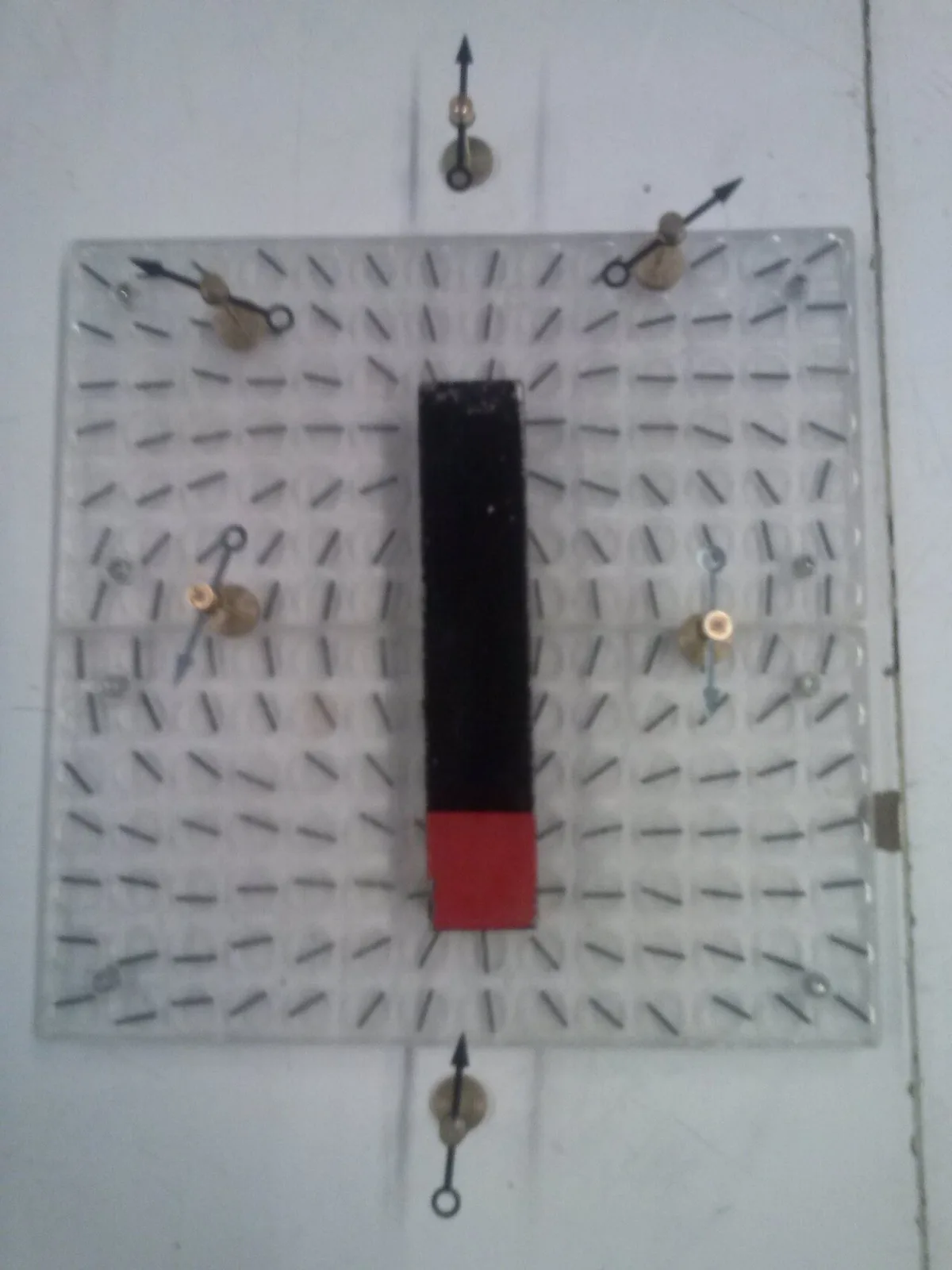
Image source: Wikimedia Commons / Yzarc-pan (CC BY-SA)
Let’s run through the tests.
The Magnet Test (The Only True Test)
This is the one that matters. Grab a refrigerator magnet. Turn your pot upside down.
Touch the magnet to the flat cooking surface.
Does it stick hard? The pan works.
Does it slide off? The pan is useless.
I keep a neodymium magnet in my kitchen drawer. It’s stronger than a standard fridge magnet. It gives you a better feel for how strong the magnetic connection actually is.
Slide it across the base. You want a firm, even pull. If the magnet sticks in one spot but slides weak in another, the pan has a thin or uneven magnetic layer.
It might work, but it’ll heat inconsistently.
Why does a strong grip matter? Induction burners use sensors to detect the pan. If the magnetic field is weak, the burner might not turn on at all.
Some stoves require a minimum pan size and magnetic saturation. A weak magnet test often means a weak magnetic base. This can lead to the stove pulsing the power on and off.
I’ve tested pans that technically “pass” the magnet test but perform poorly. They heat slowly and unevenly. The moral of the story?
If the magnet doesn’t stick with authority, consider it a fail.
Check the Induction Symbol
Most manufacturers stamp a symbol on the base. It looks like a squiggly line with a few loops. That’s the induction compatible logo.
If you see it, the manufacturer says the pan is designed for induction.
But don’t stop there. In the US, labeling isn’t always strictly enforced. A pan can say “induction ready” with a very thin disc base.
The magnet is still your final authority.
Inspect the Pan Visually
You can often tell a lot just by looking.
- Cast iron and carbon steel: Dark, heavy, simple construction. If it looks like raw iron, it’s magnetic.
- Enameled cast iron: Glossy on the outside. Rough, dark, or bare iron inside.
- Stainless steel: Look for a thick base. If you see a distinct rim where different metal layers are exposed, that’s a sign of quality induction construction.
- Aluminum and copper: Lightweight, silver or reddish color. These are almost always non-magnetic.
The Complete Material Guide
Once you know the tests, you need to understand the materials. This is where people get confused.
Cast Iron
Cast iron is pure magnetism. It’s practically made of iron. A standard Lodge skillet is a perfect induction pan.
The downside? Cast iron is heavy. The base is rough.
If you slide it on a glass cooktop, you risk scratching. Always lift it. Don’t drag it.
But in terms of compatibility, cast iron is the easiest yes you’ll ever get.
Carbon Steel
Carbon steel is cast iron’s thinner, lighter cousin. It has the exact same magnetic properties. It heats up faster than cast iron.
I love carbon steel woks on induction. They get screaming hot in seconds. Just be careful with seasoning.
Induction can heat so fast that you burn off your seasoning before you know it.
Enameled Cast Iron
Brands like Le Creuset and Staub cover cast iron in a vitreous enamel. The coating is purely cosmetic. It doesn’t change the magnetic properties.
I’ve used a Le Creuset Dutch oven for years. It’s my go-to for braising and stewing. The heat retention is incredible.
You can sear meat at high heat, then drop the temperature and simmer for hours. The induction connection is rock solid. If you are looking for a premium enameled option, check out Le Creuset’s cast iron collection.
These pots are induction workhorses. They look great, they clean easily, and they last forever.
Stainless Steel (The Tricky One)
This is where most people get tripped up.
Standard 18/10 stainless steel is usually non-magnetic. It contains nickel, which disrupts the magnetic structure. For a stainless pan to work on induction, the manufacturer must add a magnetic layer.
That’s where cladding comes in. “Tri-ply” or “multi-ply” cookware sandwiches a conductive aluminum core between layers of magnetic stainless steel. The aluminum gives you even heating. The stainless gives you the magnetic connection for induction.
Premium brands like All-Clad engineer their pans specifically for induction. Their D3 and D5 collections are guaranteed to work seamlessly. Take a look at All-Clad’s induction ready cookware to see how proper cladding solves the magnetic problem.
This is a great example of what to look for in a quality induction pan.
Aluminum, Copper, Non-Stick, and Glass
| Material | Induction Ready? | Notes |
|---|---|---|
| Cast Iron | Yes | Best magnetic connection. Heavy. |
| Carbon Steel | Yes | Lightweight. Fast heat. |
| Enameled Cast Iron | Yes | Le Creuset, Staub. |
| Stainless Steel (Clad) | Depends | Must have magnetic layer. |
| Stainless Steel (Pure 18/10) | No | Non-magnetic. |
| Aluminum | No | Unless disc-bottomed. |
| Copper | No | Unless bonded to steel. |
| Glass / Ceramic | No |
Pure aluminum is non-magnetic. It will not work on induction. Some aluminum pans have a stainless steel disc welded to the bottom.
Those work, but only if the steel disc is magnetic.
Copper is the same story. Beautiful pans, useless on induction, unless they have a magnetic steel base bonded to them.
Non-stick pans are a mixed bag. If the base is aluminum, skip it. If the base is magnetic stainless steel or cast iron, it works.
Glass and ceramic cookware? Completely incompatible. Induction needs a ferrous metal surface to grab onto.
Base Construction and Performance
Once you’ve confirmed a pan is magnetic, the base construction tells you how well it will perform.
Fully Clad
This is the gold standard. The magnetic material runs up the sides of the pan. The entire structure is built from multiple layers of metal.
This gives you the widest magnetic surface area for the burner to detect. It also gives you the most even heating.
Disc-Bottom
A heavy magnetic plate is welded to the bottom of a lighter aluminum pot. This is a budget solution. These pans work, but they have flaws.
The disc can warp over time. A warped base breaks contact with the glass cooktop. The stove will pulse on and off, struggling to maintain temperature.
Flatness
Induction cooktops are glass. They are sensitive to warped bases. Your pan needs to sit perfectly flat.
I always test pans on the counter before using them. If I can slide a piece of paper under the edge, the pan is warped. It will spin or rattle on the cooktop.
The Bottom Line – Your Induction Kitchen Checklist
Induction cooking is brilliant when you have the right gear. The identification process is simple once you break it down.
- Keep a magnet in your kitchen drawer. It is the only tool you truly need.
- Look for the induction symbol. It’s a confidence boost, but verify it with the magnet.
- Know your winning materials. Cast iron, carbon steel, enameled cast iron, and fully clad stainless steel are the safe bets.
- Avoid losing materials. Pure aluminum, copper, and glass are not compatible without a magnetic base plate.
- Check the base. Fully clad is best. Flatness is mandatory.
I’ve been using induction for years. It cuts cooking time in half. It gives you precision that rivals gas.
Once you sort out the cookware issue, you won’t look back. Use these tests. Trust the magnet.
You’ll never have to wonder if a pan works again.