
Image source: Pexels / Alfo Medeiros (Pexels License)
You’ve got a drawer full of scratched non-stick pans, a warped aluminum pot, and a cast-iron skillet that’s seen better decades. What do you do with them? Tossing cookware in the trash feels wrong, and it often is.
But recycling isn’t always straightforward either. Different materials need different handling. Some pieces can be donated, others repurposed, and a few belong in the scrap bin.
I’ll walk you through every option so you can clear out your kitchen responsibly.
Why Proper Disposal Matters
Old cookware doesn’t just take up space. It can leak chemicals, clog landfills, or waste valuable resources. Non-stick coatings, especially older Teflon, contain per- and polyfluoroalkyl substances (PFAS).
When those pans degrade, the coating can flake into your food, and if you toss them in the garbage, the chemicals eventually leach into groundwater. The Environmental Protection Agency (EPA) provides guidelines on managing PFAS-containing products, and the safest move is to prevent them from reaching landfills in the first place.
Metal cookware, stainless steel, cast iron, aluminum, copper, is almost infinitely recyclable. But it won’t recycle itself. If you throw a stainless pot in the trash, it ends up in a hole in the ground.
That’s a waste of energy and raw materials. Recycling metals saves up to 95% of the energy needed to produce new metal from ore. So the right disposal method shrinks your carbon footprint, keeps toxic coatings out of the environment, and gives your old pots a second life.
Assessing Your Old Cookware: What Can Be Saved?
Before you decide on disposal, take a hard look at each piece. Condition matters more than age. A rusty cast-iron skillet can be restored.
A scratched non-stick pan is a health hazard. A dented stainless pot is still usable. Here’s a quick checklist:
- Non-stick pans: If the coating is peeling, flaking, or heavily scratched, don’t use it. The non-stick surface is compromised. These belong in the trash or a specialized recycling program, never the regular recycling bin.
- Cast iron: Rust is cosmetic. You can scrub it with steel wool and reseason it. Even a cracked handle can be ground down. Only toss it if it’s cracked through the cooking surface.
- Stainless steel: Dents and scratches don’t affect performance. Warped bottoms (pans that wobble) are harder to fix. You can still use them on induction cooktops, but they’re annoying. Donate or recycle.
- Aluminum: Lightweight and reactive. If it’s anodized, it’s safe. Bare aluminum can leach into acidic foods. If it’s beat up, recycle it.
- Copper: Beautiful but expensive. Copper can be recycled, but the tin lining inside may need professional replacement. If the lining is thin, donate or sell as a decorative piece.
Once you’ve sorted, you’ll know which route to take: donate, sell, repurpose, recycle, or trash.
How to Recycle Metal Cookware
Recycling metal cookware is the most eco-friendly option for pieces that are beyond repair. But you can’t just toss them in your curbside bin. Most municipal recycling programs only accept clean, identifiable metal containers, like soda cans and food tins.
Cookware is often too large, oddly shaped, or mixed with non-metal components (rivets, handles, coatings).
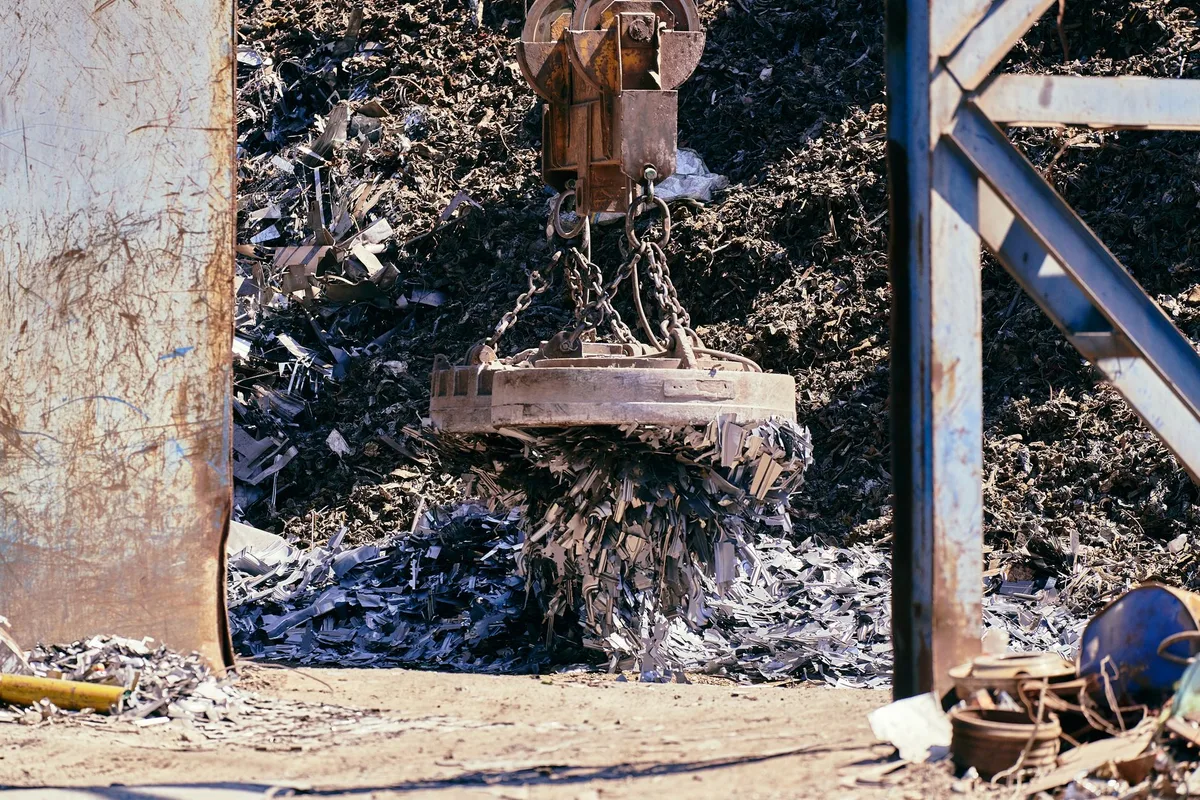
Image source: Pexels / Willians Huerta (Pexels License)
Here’s the right way to recycle metal pots and pans:
1. Check with Your Local Scrap Metal Yard
Scrap metal recyclers take all ferrous and non-ferrous metals. They’ll pay you by weight, usually a few cents per pound for stainless steel, more for copper and aluminum. Call ahead to ask if they accept cookware.
Most do, but they may require you to remove plastic handles, glass lids, or silicone grips. Bring a magnet: if it sticks, it’s ferrous (cast iron, steel); if not, it’s non-ferrous (aluminum, copper, stainless). Sort them separately for better pricing.
2. Use a Retailer Take-Back Program
Some cookware brands offer recycling programs. For example, Le Creuset accepts any brand of enameled cast iron for recycling in their stores. All-Clad occasionally runs a recycling event.
Check the manufacturer’s website. If you’re buying new cookware, ask if they’ll take your old set. I’ve seen stores offer a discount in exchange for a trade-in.
3. Mail-In Recycling Services
If you don’t have a scrap yard nearby, mail-in options exist. Companies like Terracycle (through their Zero Waste Box program) accept cookware for a fee. You buy a box, fill it with metal pots and pans, and ship it back.
It’s not free, but it’s a solution for those who can’t recycle locally. The EPA’s “Reduce, Reuse, Recycle” hub lists additional resources for hard-to-recycle items.
4. Remove Non-Metal Parts
Before recycling, detach anything that isn’t pure metal. Plastic handles, silicone grips, glass lids, and rubber gaskets all contaminate the melt. Use a screwdriver or wrench to remove handles.
If they’re riveted, you may need a drill. Scrap yards prefer clean, single-material items. A stainless pot with a plastic handle might be rejected or downgraded.
Creative Ways to Repurpose Old Cookware
Not every old pot needs to be recycled. Some can be transformed into something useful. Repurposing keeps material out of the waste stream and gives you a unique DIY project.
Here are ideas that actually work.
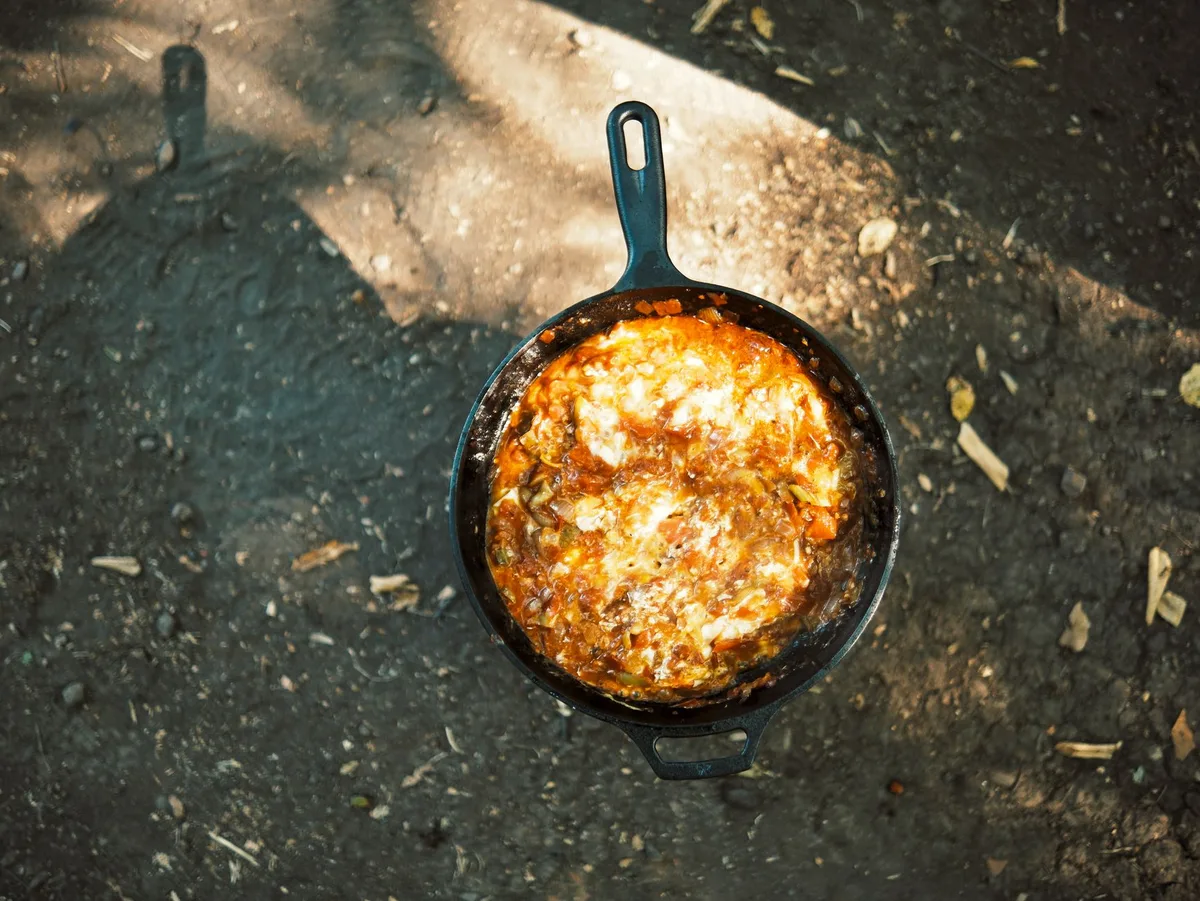
Image source: Pexels / Abdullah Öğük (Pexels License)
Turn a Cast Iron Skillet into a Planter
A rusty cast iron skillet can become a beautiful herb planter. Drill a few drainage holes in the bottom (use a carbide-tipped bit), add a layer of gravel, then potting soil. The heavy base keeps the plant stable.
It’s rustic and functional. Don’t use it for cooking afterward, the rust and seasoning won’t cooperate.
Use a Saucepan as a Tool Organizer
Small stainless steel pots make perfect holders for kitchen utensils, paintbrushes, or gardening tools. Place one on your counter by the stove. Or mount it on a pegboard with a simple bracket.
The metal is easy to clean, and it looks intentional.
Make a Bird Bath from a Large Pot
A deep stockpot or Dutch oven, turned upside down, can serve as a pedestal for a bird bath. Drill a hole in the lid for a drainage plug, or simply use the lid as a shallow basin. Paint it with outdoor metal paint to prevent rust.
It’s a conversation starter.
Cut a Wok into a Fire Pit
Old woks, especially carbon steel ones, are perfect small fire pits. The curved shape contains the fire, and the handle allows you to move it. Place it on a fireproof surface, add a few bricks, and you’ve got a portable campfire ring.
Just don’t use it for cooking afterward.
Use a Cookie Sheet as a Magnet Board
Baking sheets are magnetic. Paint one with chalkboard paint, mount it on the wall, and use magnets to hold notes, recipes, or photos. Even if the sheet is warped, it still works.
Bonus: you can write on it with chalk.
Repurposing is only safe if the cookware is free of toxic coatings. Never repurpose non-stick pans, the coating can flake into soil or water. Stick to bare metal: stainless, cast iron, carbon steel, and aluminum.
Disposing of Non-Stick and Coated Cookware
Non-stick cookware is the trickiest category. You can’t recycle it in standard curbside programs because the coating is a contaminant. And you shouldn’t just toss it in the trash if you can avoid it.
Here’s your playbook:
Check for a PFAS-Free Label
If your pan was made after 2020, it might be “PFOA-free” but still contain other PFAS. Only a few brands (like GreenPan’s Thermolon or Caraway) use ceramic coatings that are PFAS-free. If you’re unsure, assume it contains PFAS.
Take It to a Specialty Recycler
Some scrap metal yards accept non-stick pans if you remove the coating first, but that’s impractical. A few municipalities have household hazardous waste (HHW) facilities that accept PFAS items. Call your local HHW center.
They may take non-stick cookware alongside other chemical-laden items. If not, they’ll point you to the best disposal method.
Use a Mail-In Program
Terracycle’s “Cookware” zero waste box accepts non-stick pans. It costs about $70 for a small box. That’s steep, but it’s the only guaranteed way to keep them out of a landfill.
If you’re replacing a whole set, split the cost with neighbors.
Last Resort: Landfill
If you have no other option, wrap the pan in a plastic bag, tape it shut, and put it in the trash. This prevents loose flakes from spreading. It’s not ideal, but it’s better than flushing it down the drain or leaving it in the street.
The EPA notes that PFAS are persistent, they don’t break down. So every pan you keep out of the landfill counts.
Donating and Selling Used Cookware
Before you trash or recycle, ask if someone else can use it. Many charities and individuals welcome gently used cookware. But there are rules.
Donate to Thrift Stores
Goodwill, Salvation Army, and local thrift stores accept cookware. They typically require it to be clean, with no major damage. Non-stick pans with scratches are often rejected, safety liability.
Cast iron, stainless steel, and glass bakeware are almost always accepted. Call ahead to confirm.
Give to Community Kitchens
Soup kitchens, shelters, and food banks often need pots and pans. They prefer durable, commercial-grade items. Call your local food bank and ask if they accept home cookware.
Many do, especially if it’s heavy-duty stainless or aluminum.
Sell Online
If your cookware is high-end (All-Clad, Le Creuset, Staub), you can sell it on Facebook Marketplace, eBay, or Craigslist. Even scratched pieces have value, people buy them for parts or restoration. Be honest about condition.
Include photos of the worst wear. I’ve sold a set of scratched non-stick pans for $20 as “art project supplies.”
Offer on Buy Nothing Groups
Local Buy Nothing groups on Facebook are perfect for giving away cookware. Post a photo, ask for pickup, and it’s gone within hours. This avoids shipping waste and builds community.
Plus, you know the person actually wants it.
Special Handling for Cast Iron, Copper, and Aluminum
Each metal has unique disposal quirks. Let’s cover them fast.
Cast Iron
Cast iron is nearly indestructible. If your skillet is rusty, scrub it with a chain mail scrubber, rinse, dry immediately, and oil it. It’s good as new.
If it’s cracked, you can recycle it at a scrap yard. Cast iron is ferrous, it’s heavy, so the scrap value is low, but it’s accepted everywhere. Don’t donate a cracked pan; the crack can expand during cooking.
Copper
Copper resells for good money. Scrap yards pay $2-4 per pound for clean copper. Remove any steel handles or rivets first.
If you have a copper-bottomed pot (stainless body with copper disc), the yard will treat it as mixed metal, lower value. Separate if possible. Copper can also be polished and sold as decorative pieces.
Aluminum
Aluminum is lightweight and high-value. Scrap yards pay around $0.50, $1 per pound for clean aluminum. Anodized aluminum (like Calphalon) is harder to recycle because the coating is tough.
Many yards take it anyway. Avoid recycling aluminum that has a non-stick coating, it contaminates the melt. If you’re unsure, check with the yard.
Enameled Cast Iron
Enameled cast iron (like Le Creuset) presents a challenge. The enamel is glass fused to metal. You can’t recycle it in standard scrap yards because the glass is a contaminant.
Some yards accept it if you smash the enamel off, tedious. Better to donate or repurpose. Le Creuset’s store recycling program accepts any brand, so that’s your best bet.
Final Thoughts
Disposing of old cookware isn’t as simple as tossing it in the bin. But with a little effort, you can keep most of it out of landfills. Start by sorting: what can be restored, donated, or sold?
Then tackle the rest. Recycle metal at a scrap yard. Use mail-in programs for non-stick.
Repurpose what you can. And always remove handles and lids before recycling.
Your kitchen doesn’t have to be a dumping ground for old pots. Every piece you handle correctly is one less that ends up in a hole in the ground. So next time you upgrade your cookware, take the extra ten minutes to do it right.
Your future self, and the planet, will thank you.