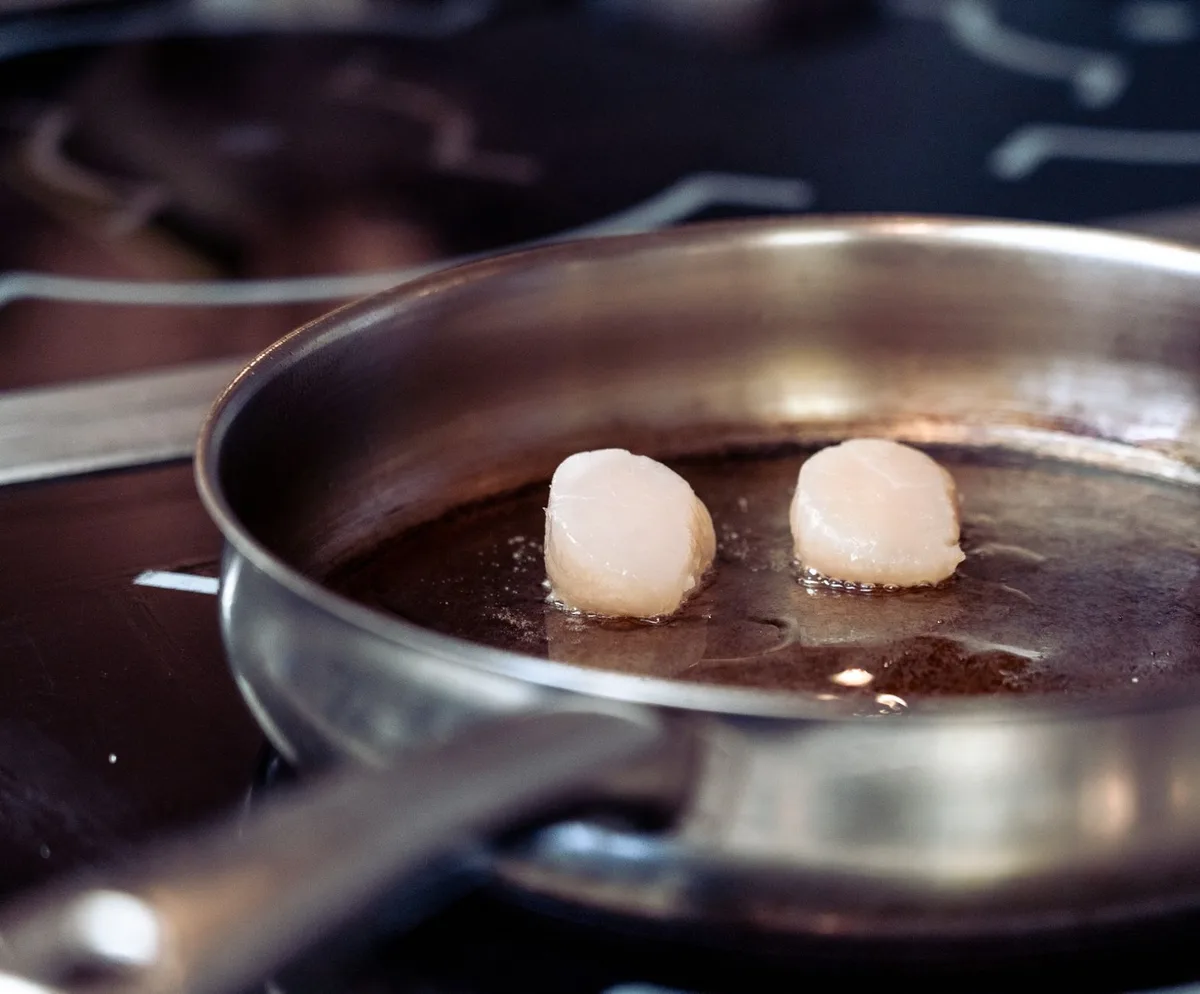
I’ve scrubbed countless pans that looked like a charcoal briquette. Stainless steel is tough, but high heat and forgotten sauces turn the surface into a stubborn crust. The good news?
You don’t need a magic eraser. A few pantry staples and a little patience restore the shine every time.
Why stainless steel burns
Stainless steel conducts heat fast. When oil or sugar hits a dry pan, it carbonizes in seconds. The result is a dark, baked‑on layer that resists a simple soak.
Understanding the chemistry helps you pick the right weapon. Carbonized food is mostly carbon and polymerized fats. Alkaline agents break the bonds; acids dissolve mineral deposits.
Heat expands the metal, loosening the bond further. That’s why a boil‑off works better than a cold soak.
Method 1: Baking soda paste
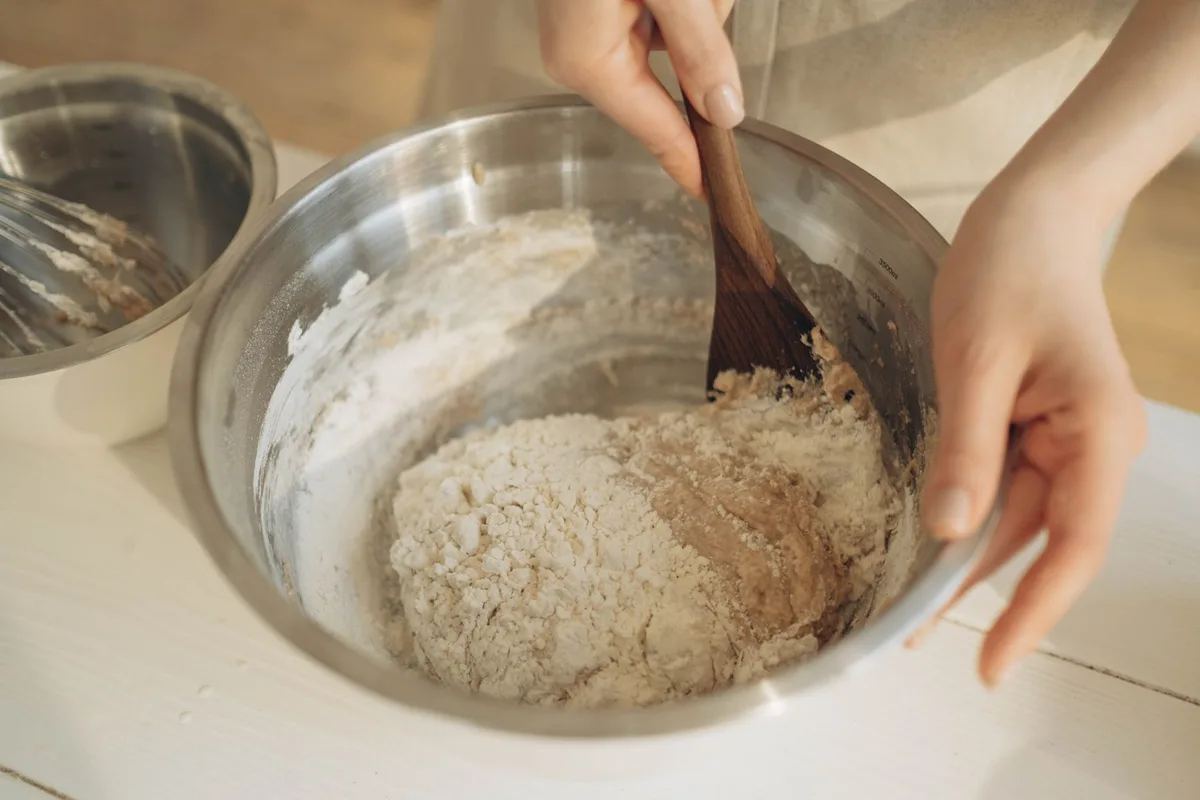
Baking soda is mild abrasive and alkaline. It lifts carbon without scratching the finish.
- Sprinkle a generous layer of baking soda over the burnt area.
- Add just enough water to form a thick paste.
- Let it sit 15‑30 minutes. The longer it sits, the easier the scrub.
- Scrub with a non‑scratch nylon pad. Use circular motions.
- Rinse, dry, and admire the shine.
For heavy buildup, repeat once. The paste also neutralizes acidic residues from tomato sauce.
Method 2: Vinegar boil
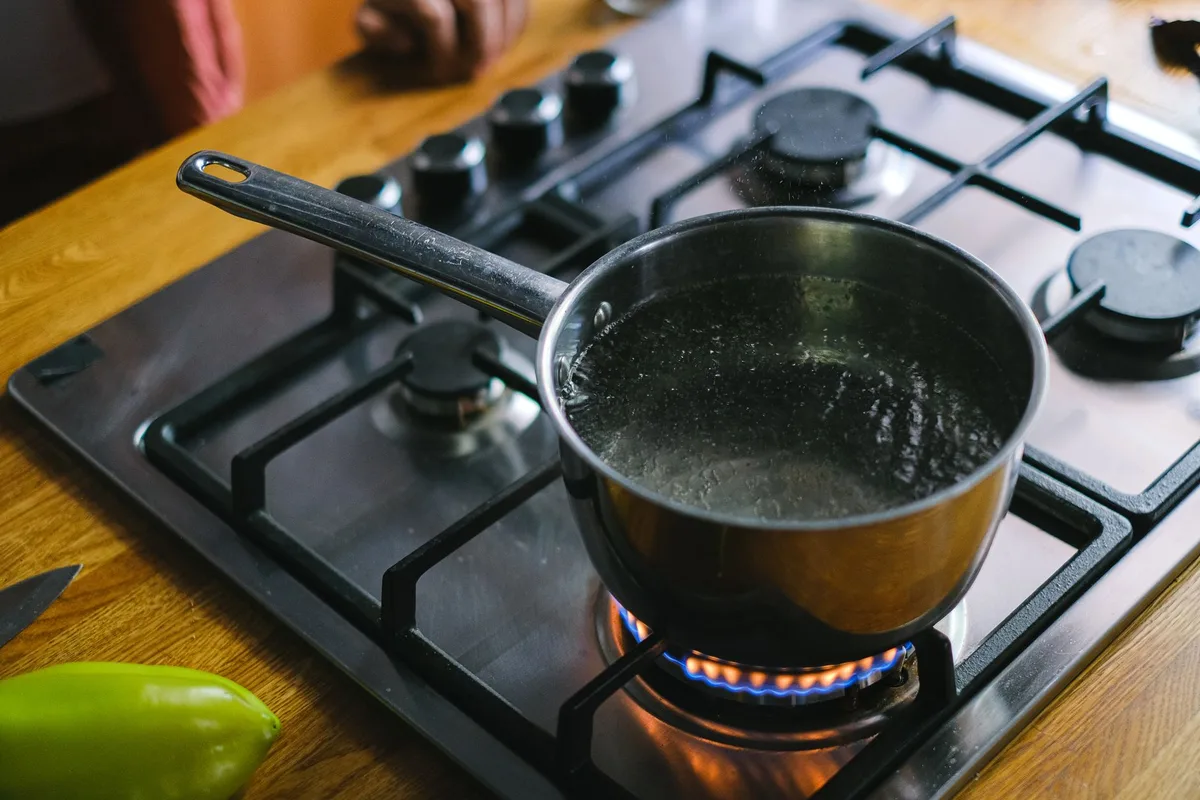
White vinegar adds acid to the mix. The boil creates steam that penetrates the crust.
- Fill the pan with equal parts water and white vinegar (about 1 cup each).
- Bring to a rolling boil.
- Add two tablespoons of baking soda, expect fizz.
- Boil 5‑10 minutes, then turn off heat.
- Let the liquid cool enough to handle.
- Scrub with a soft brush. The burnt layer lifts in sheets.
This method works great for pans with a thick, even coating. The acid also removes rainbow discoloration from overheating.
Method 3: Cream of tartar paste
Cream of tartar is a mild acid that pairs well with stainless steel’s chromium oxide layer.
- Mix three tablespoons cream of tartar with one tablespoon water.
- Spread over the stain.
- Wait 10 minutes.
- Scrub with a sponge.
- Rinse thoroughly.
It’s especially effective on rainbow heat tint. The paste smells faintly of baking, not chemicals.
Method 4: Bar Keepers Friend or similar oxalic‑acid cleaners
Commercial oxalic‑acid powders dissolve iron deposits and carbon fast.
- Wet the pan.
- Sprinkle a thin layer of powder.
- Rub with a damp cloth using light pressure.
- Rinse immediately, prolonged contact can dull the finish.
- Dry with a microfiber towel.
Use sparingly. A little goes a long way. The National Institute of Standards and Technology notes that oxalic acid attacks surface oxides without etching the base metal National Institute of Standards and Technology.
Method 5: Salt and lemon
Salt acts as a gentle abrasive; lemon supplies citric acid.
- Cover the burnt area with coarse salt.
- Cut a lemon in half and squeeze juice over the salt.
- Use the lemon half as a scrubber.
- Let the mixture sit five minutes.
- Rinse and dry.
This method shines on light stains and leaves a fresh scent. It’s also safe for induction‑compatible pans.
Prevention tips
- Preheat the pan on medium, then add oil. Cold oil in a hot pan polymerizes instantly.
- Use enough fat to coat the bottom. A thin film prevents direct metal‑food contact.
- Deglaze while the pan is still hot. A splash of wine or broth lifts fond before it carbonizes.
- Avoid metal utensils that gouge the surface. Scratches become future burn traps.
- Clean promptly. Even a quick soak in hot, soapy water stops buildup.
When to replace
If the pan warps, develops deep pitting, or the stainless layer wears through to the core, cleaning won’t fix performance. Warped bases heat unevenly. Pitting harbors bacteria.
A new pan costs less than a ruined meal.
FAQ
Can I use steel wool?
No. Steel wool leaves microscopic scratches that trap carbon and rust.
Is dishwasher safe?
Most stainless pans survive the dishwasher, but harsh detergents accelerate rainbow discoloration. Hand wash for longevity.
What about baking soda and vinegar together?
They neutralize each other. Use them sequentially, not simultaneously, for best effect.
How often should I deep‑clean?
Once a month for heavy use. Light users can stretch to quarterly.
Does lemon juice damage the finish?
Not in short contact. Prolonged exposure can dull the shine, so rinse promptly.
Bottom line
A burnt stainless steel pan is not a write‑off. Baking soda, vinegar, cream of tartar, oxalic‑acid cleaners, or a simple salt‑lemon scrub each tackle the problem from a different angle. Match the method to the severity, follow the steps, and the pan returns to mirror‑bright readiness.
Keep the prevention habits, and you’ll spend more time cooking than scrubbing.
1 thought on “How Can I Clean A Burnt Stainless Steel Pan”