Lamb chops cook fast, taste rich, and reward a little technique. A hot pan, a good sear, and a quick finish give you a caramel crust and a juicy center. Below is the step‑by‑step method I use every week.
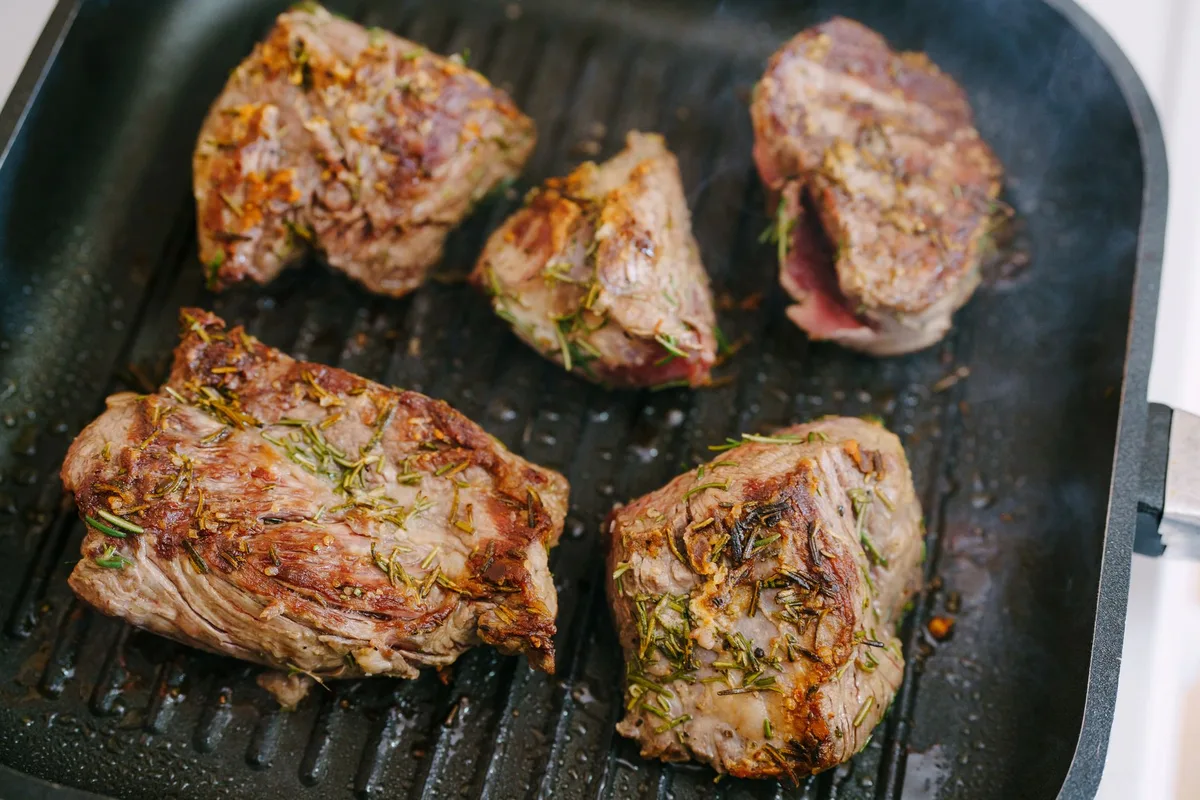
Choosing the Right Lamb Chops
Pick rib chops for tenderness, loin chops for a leaner bite, or shoulder chops if you like more flavor and don’t mind a little chew. Look for bright pink meat, fine marbling, and a thin layer of creamy fat. Avoid gray edges or excess liquid in the tray.
The USDA grades lamb as Prime, Choice, or Select; Prime gives the most marbling, but Choice works fine for pan‑searing.
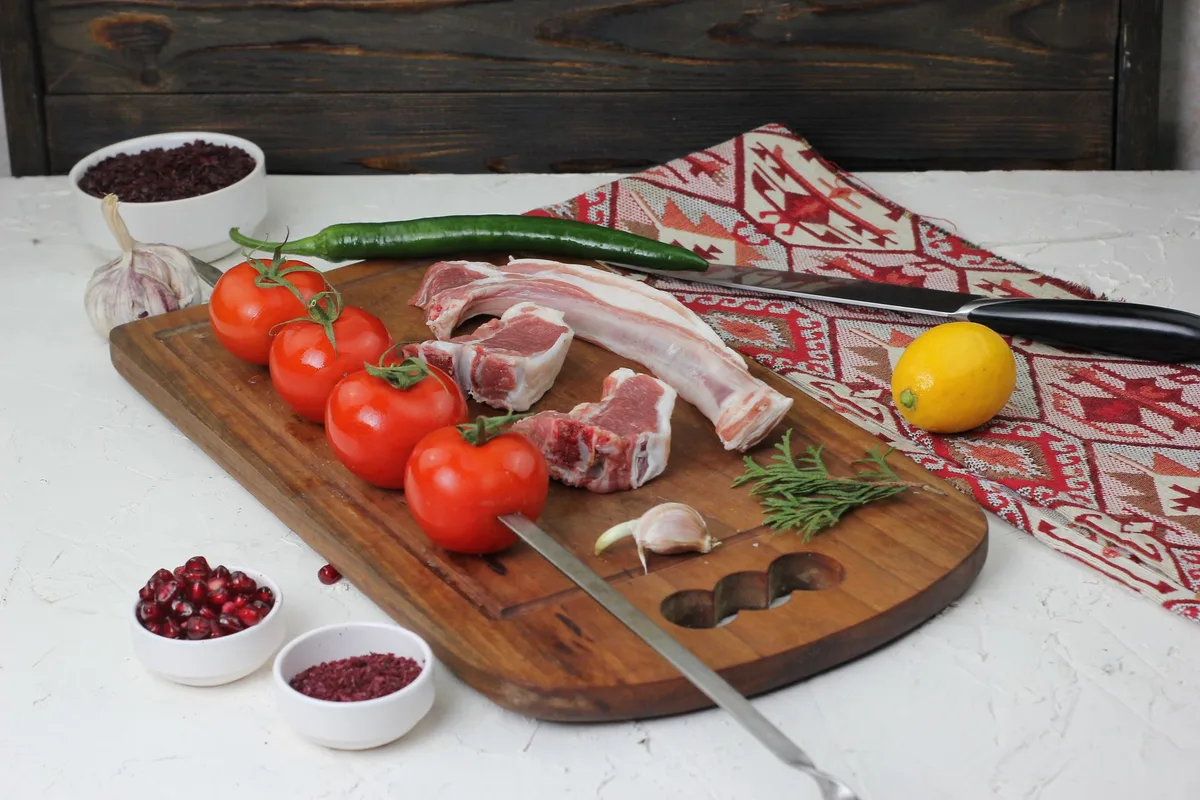
Tip: Buy chops 1‑inch thick. Thinner pieces overcook before a crust forms. Thicker cuts need a brief oven finish, skip that for a pure pan method.
Prepping the Chops
Pat each chop dry with paper towels. Moisture kills a sear. Season generously with kosher salt and cracked black pepper at least 30 minutes before cooking; the salt draws out surface moisture, then re‑absorbs, seasoning the meat from the inside.
Add a pinch of dried rosemary or thyme if you like herb notes. Drizzle a thin film of high‑smoke‑point oil, grapeseed, avocado, or light olive oil, on both sides.
The Pan and Heat
A heavy‑bottomed stainless‑steel or cast‑iron skillet holds heat evenly. Heat the pan over medium‑high for 2‑3 minutes until a drop of water skitters across the surface. Add a tablespoon of oil; it should shimmer, not smoke.
If it smokes, lower the heat a notch.
Cooking Steps
- Lay chops in the pan, don’t crowd. Space lets steam escape and crust form.
- Press gently with tongs for full contact.
- Sear 2‑3 minutes until a deep brown crust appears. Flip once.
- Add butter, garlic, and fresh herbs (optional). Tilt the pan and spoon the foaming butter over the chops for 30 seconds.
- Reduce heat to medium and continue cooking 2‑4 minutes per side, depending on thickness and desired doneness.
Checking Doneness
Use an instant‑read thermometer inserted into the thickest part, avoiding bone. Target temperatures: 125 °F for rare, 135 °F for medium‑rare, 145 °F for medium. The USDA recommends 145 °F with a three‑minute rest for safety, but many chefs pull at 130 °F for a pink center.
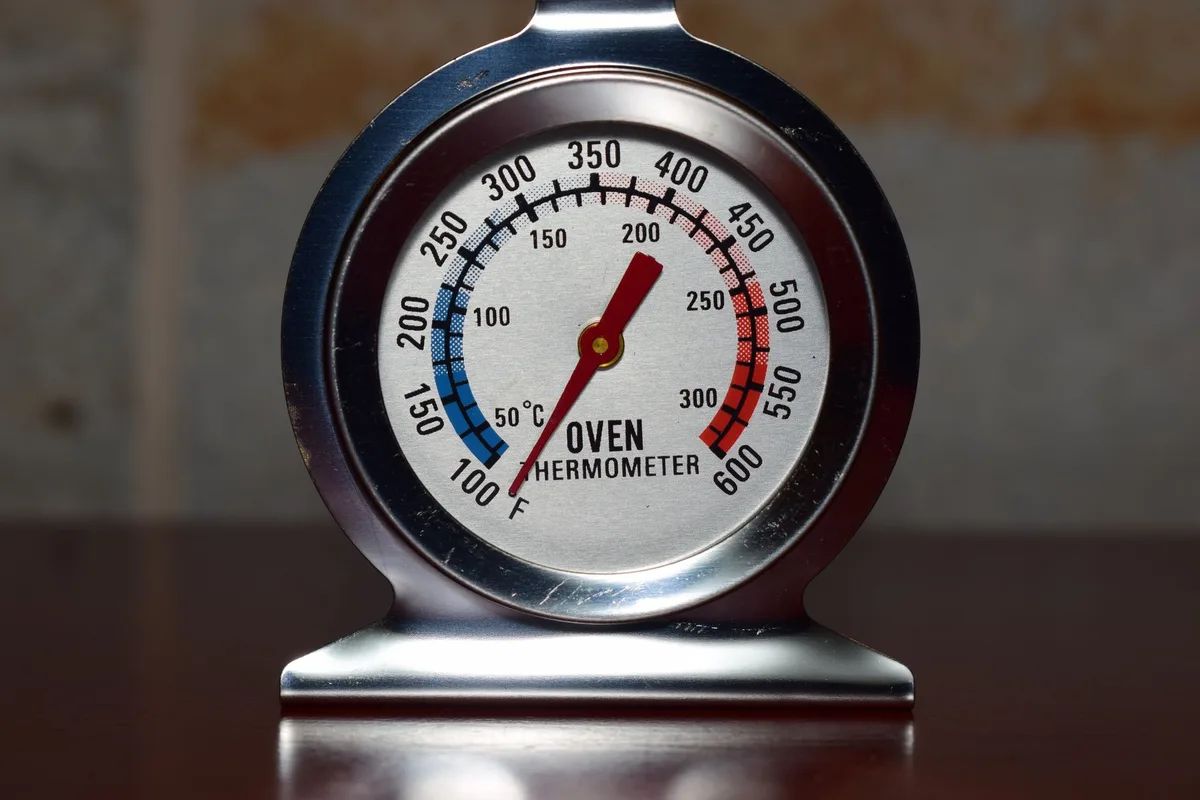
If you lack a thermometer, press the chop: soft feels rare, springy feels medium‑rare, firm feels medium.
Resting and Serving
Transfer chops to a cutting board. Tent loosely with foil. Rest 5 minutes.
Resting lets juices redistribute; slicing too early spills them onto the board. Slice against the grain if you prefer bite‑size pieces, or serve whole with a drizzle of pan sauce. Pair with roasted vegetables, minted peas, or a simple couscous.
Common Mistakes
- Cold meat hits the pan and steams. Bring chops to room temperature first.
- Too much oil creates fry, not sear. A thin film is enough.
- Flipping constantly prevents crust. One flip is ideal.
- Skipping rest yields dry chops. Patience pays.
FAQ
Can I cook frozen lamb chops in a pan?
Thaw first. Cooking from frozen yields uneven doneness and a gray exterior.
What oil works best?
Grapeseed, avocado, or refined olive oil handle high heat without burning.
Do I need a marinade?
Not required. Salt and pepper plus a quick herb butter finish deliver plenty of flavor.
How do I store leftovers?
Cool, wrap tightly, refrigerate up to three days. Reheat gently in a low oven to avoid overcooking.
Is lamb safe at medium‑rare?
Yes, if sourced from a reputable supplier and handled properly. The USDA notes that whole cuts like chops can be eaten at 130 °F with a brief rest.
Cook lamb chops in a pan once, and the technique sticks. Hot pan, dry meat, single flip, quick rest, that’s the formula for a restaurant‑quality result at home. Enjoy.