Seasoning a stainless‑steel pan sounds like a trick for cast‑iron fans, but it works. A thin polymerized oil layer gives you a slick surface that releases food, cuts cleaning time, and protects the metal from acidic sauces. I’ve done it dozens of times in restaurant kitchens and at home.
The process is simple, repeatable, and worth the ten minutes it takes.
Why Season Stainless Steel
Stainless steel is prized for durability and even heating. It also loves to stick. Proteins bond to the microscopic pores in the metal when heat hits them.
A seasoned layer fills those pores with carbonized oil, creating a non‑stick film that behaves like a well‑used cast‑iron skillet. The result: eggs slide, seared steaks release cleanly, and deglazing becomes a breeze.
A seasoned pan also resists rust‑like discoloration from high‑acid foods such as tomato sauce. The oil barrier slows the chemical reaction that dulls the finish. You’ll still get the classic stainless look, but the surface stays brighter longer.
Quick fact: The FDA notes that polymerized cooking oils are safe for food contact when heated past their smoke point. (See the FDA’s guidance on food‑contact substances.)
Choosing the Right Oil for Seasoning
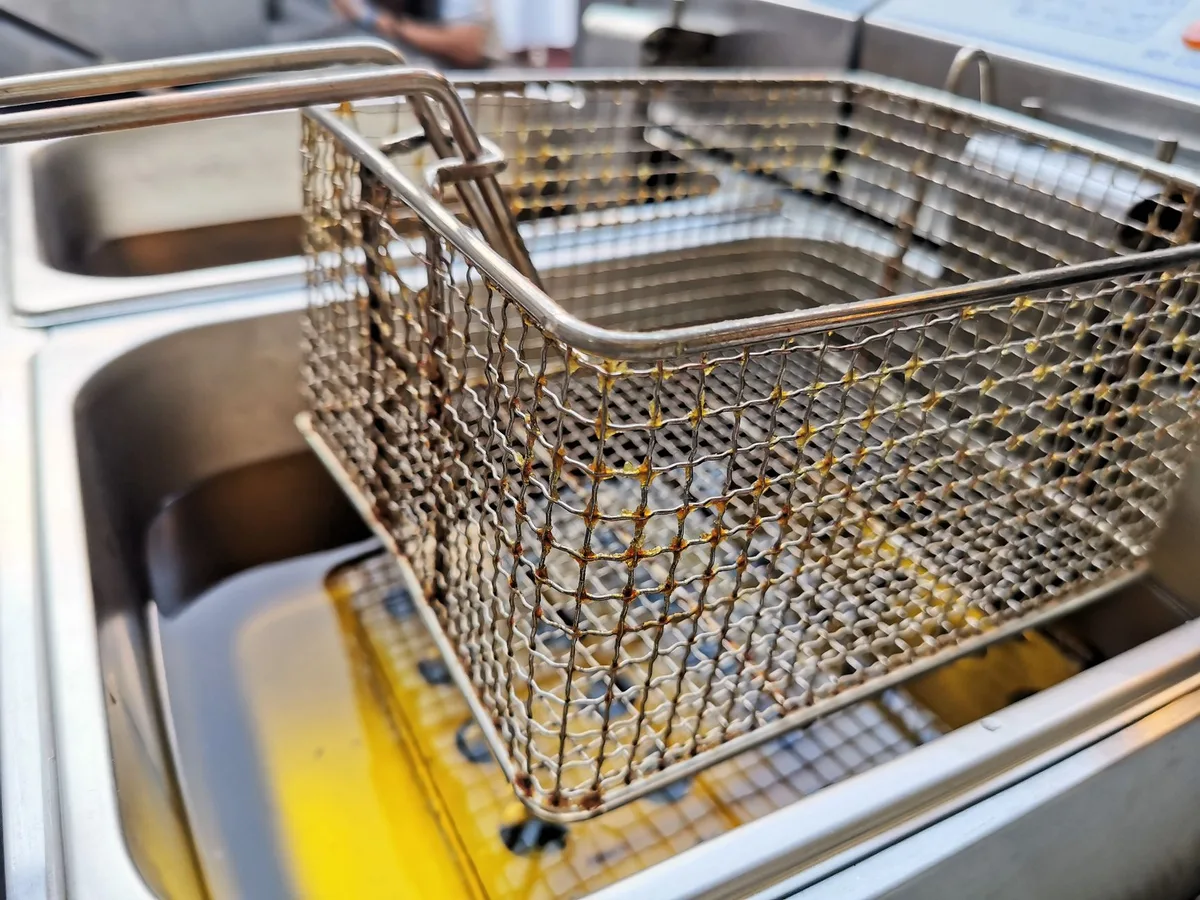
Not every oil works. You need a high smoke point and a neutral flavor. The best candidates:
- Refined avocado oil, smoke point around 520 °F (270 °C). Very stable.
- Grapeseed oil, smoke point near 420 °F (215 °C). Light taste.
- Canola or vegetable oil, smoke point 400‑450 °F (200‑230 °C). Cheap and easy to find.
- Rice bran oil, smoke point 490 °F (255 °C). Good for high‑heat work.
Avoid extra‑virgin olive oil, butter, or unrefined coconut oil. They burn too early and leave a sticky, gummy residue.
Apply a thin coat. A paper towel dipped in oil, then wiped across the entire interior, including the rim, works best. Excess oil pools, carbonizes unevenly, and creates a tacky film.
Step‑by‑Step Seasoning Process
- Wash the pan
Scrub with hot, soapy water. Rinse well. Dry completely.
Any moisture prevents oil from bonding.
-
Heat the pan
Place the pan on medium‑high heat. Let it sit for two minutes. The metal should be hot enough that a drop of water dances and evaporates instantly. -
Add oil
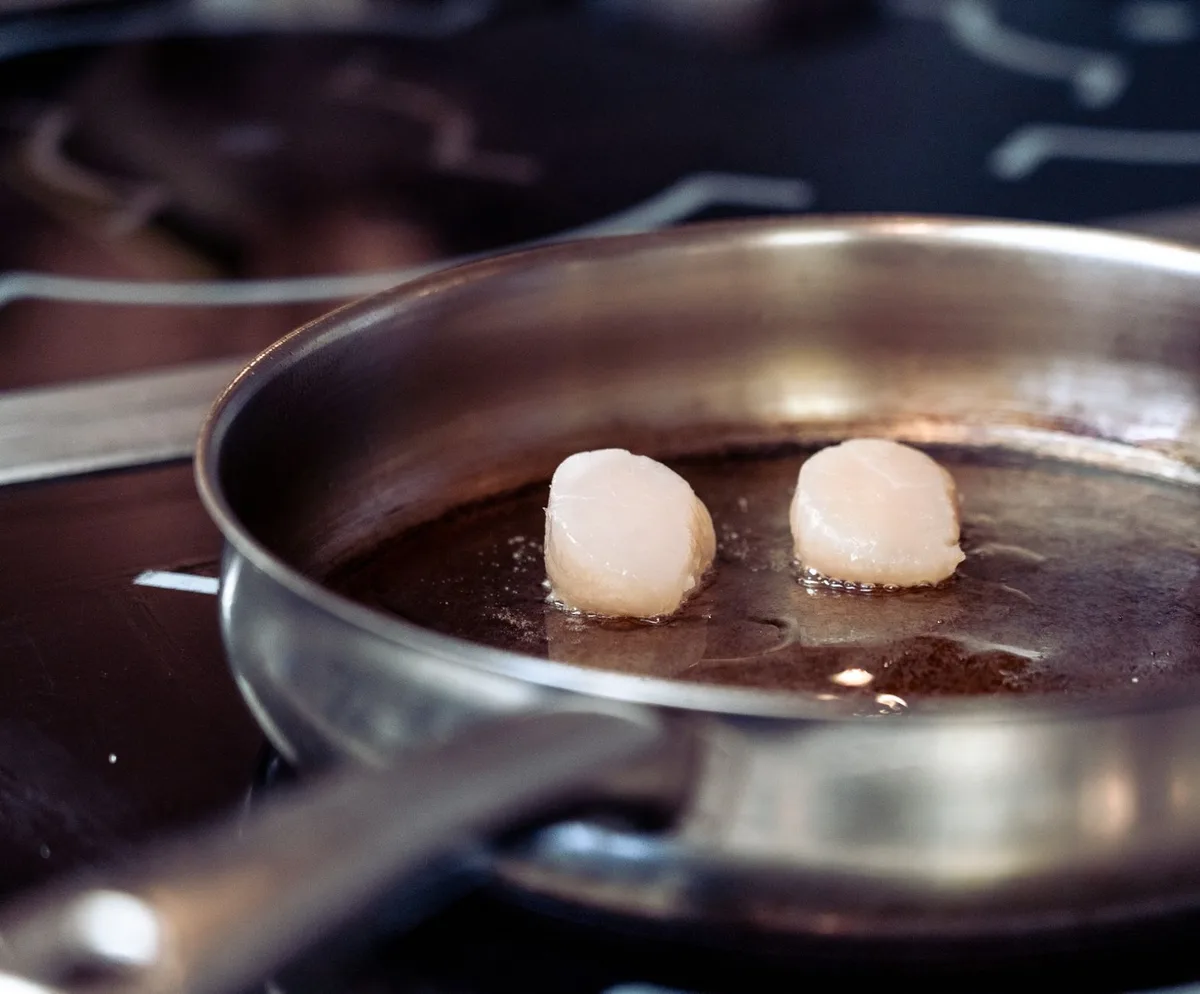
Pour a teaspoon of your chosen oil into the hot pan. Swirl to coat the bottom and sides. Use a folded paper towel (held with tongs) to spread a microscopic film over every interior surface. -
Bring to smoke
Keep the heat at medium‑high. Watch for the first wisps of smoke, usually 30‑45 seconds. That smoke signals polymerization.
Don’t walk away; the window is narrow.
- Cool and wipe
Remove the pan from the burner. Let it cool for five minutes. Wipe out any excess oil with a clean paper towel.
The surface should feel dry, not sticky.
- Repeat
Two to three cycles build a stronger layer. Each round darkens the steel a shade deeper. After the final round, the pan is ready for cooking.
Tip: If you have an oven, you can finish the last cycle at 450 °F (230 °C) for 30 minutes. The even heat yields a more uniform coat.
Maintaining the Seasoned Surface
A seasoned stainless pan is low‑maintenance, not no‑maintenance.
- Clean with hot water and a stiff brush after each use. Avoid soap if you can; a quick scrub removes food without stripping the polymer.
- Dry immediately and apply a drop of oil while the pan is still warm. Wipe it around the interior. This “touch‑up” keeps the layer intact.
- Never soak the pan. Standing water breaks down the carbonized film.
- Metal utensils are fine. They actually help smooth the seasoning over time.
If the surface looks dull or food starts sticking again, run through the seasoning steps once more. It takes five minutes.
Common Mistakes and How to Fix Them
| Mistake | Why It Happens | Fix |
|---|---|---|
| Too much oil | Thick layer never fully polymerizes | Wipe until the pan feels dry |
| Heat too low | Oil never reaches smoke point | Raise heat until steady smoke appears |
| Using low‑smoke oil | Burnt, gummy residue | Switch to refined avocado or grapeseed oil |
| Skipping the cool‑down wipe | Excess oil carbonizes unevenly | Always wipe after each smoke cycle |
| Washing with harsh detergent | Strips the polymer | Use hot water + brush; mild soap only if needed |
Frequently Asked Questions
Can I season a brand‑new stainless pan?
Yes. Factory oils are often a light protective coating. Wash it first, then follow the steps above.
Does seasoning affect the pan’s non‑reactive property?
No. The polymer layer is food‑safe and inert. It actually adds a barrier against acidic reactions.
How often should I re‑season?
Every 30‑40 uses, or whenever you notice sticking. A quick touch‑up after each wash extends the interval.
Is oven seasoning better than stovetop?
Oven gives more even heat, but stovetop works fine for most home cooks. Choose whichever you find easier.
Can I use the pan for high‑acid sauces after seasoning?
Absolutely. The seasoned film protects the steel from tomato‑based or wine‑based sauces.
Seasoning stainless steel is a habit, not a one‑off project. A few minutes every month keeps the surface slick, the cleanup fast, and the food tasting like it should, pure, unmetallic, and perfectly seared. Grab a bottle of refined avocado oil, fire up the burner, and give your pan the treatment it deserves.
You’ll wonder why you ever cooked without it.