Ceramic pans give you a slick, non‑stick surface without the chemicals found in older coatings. They heat evenly, clean up fast, and look great on the stove. But the coating is only as good as the care you give it.
Treat it right and it will last for years. Treat it wrong and you’ll be shopping for a replacement sooner than you’d like.
Why Proper Cleaning Matters
A ceramic coating is a thin layer of silica‑based material baked onto the metal base. It resists sticking, but it also scratches easily. Metal utensils, abrasive pads, and harsh chemicals can gouge the surface.
Once the coating is compromised, food starts to cling, hot spots appear, and the pan loses its non‑stick advantage. Consistent, gentle cleaning preserves the finish and keeps your food tasting pure.
Gather Your Cleaning Supplies
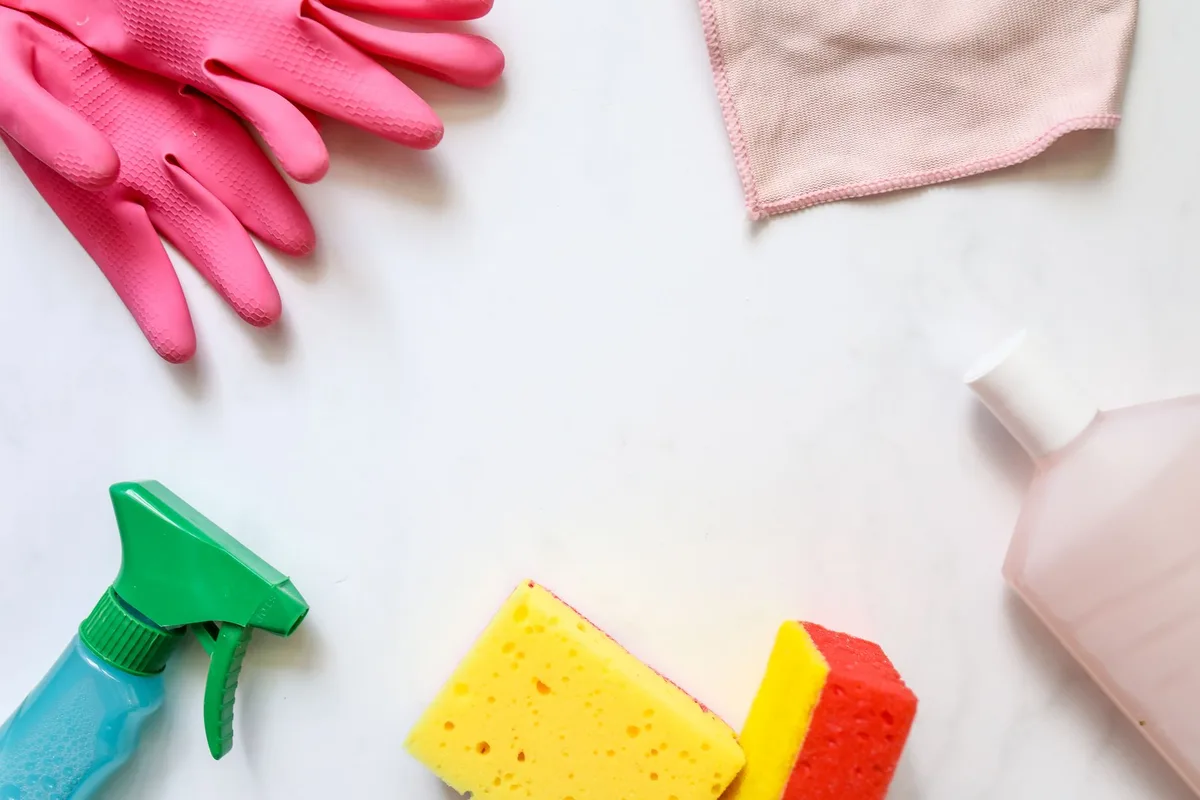
You don’t need a cabinet full of specialty products. A few basics do the job.
- Warm water
- Mild dish soap (a few drops)
- Soft sponge or microfiber cloth
- Baking soda (for tough spots)
- White vinegar (optional, for mineral buildup)
- Soft‑bristled brush (nylon, not steel)
- Clean towel or drying rack
Avoid steel wool, scouring powders, and any cleaner that lists “abrasive” on the label. The University of Minnesota Extension notes that non‑abrasive care extends the life of ceramic cookware dramatically University of Minnesota Extension.
Step‑by‑Step Daily Cleaning Method
A quick rinse after each use prevents residue from hardening.
- Cool the pan, Let it sit until it’s warm, not scorching. Sudden temperature changes can warp the base.
- Rinse, Run warm water over the interior to loosen food particles.
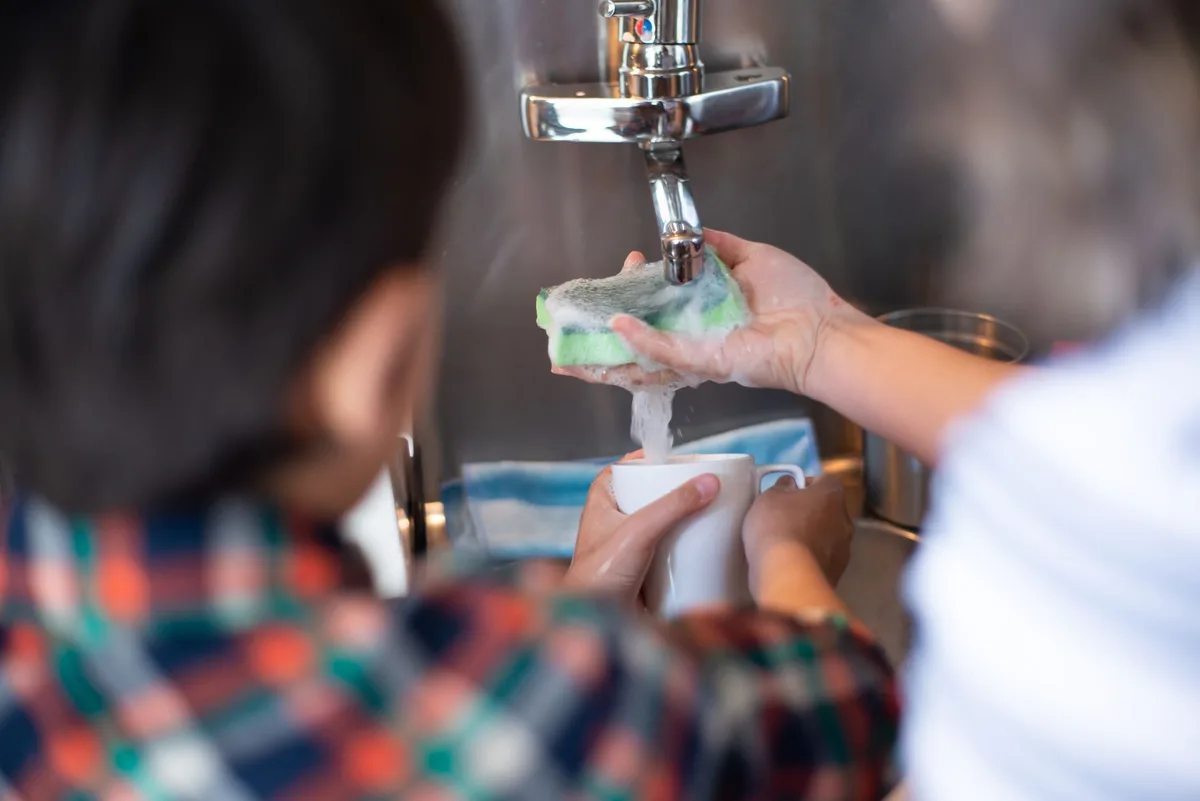
- Add soap, Drop a small amount of mild dish soap onto a soft sponge.
- Scrub gently, Use circular motions. Press lightly; the coating does the work.
- Rinse thoroughly, Remove all soap suds. Leftover film can affect the next cook.
- Dry immediately, Pat dry with a clean towel or set on a rack. Water spots can leave mineral deposits over time.
Do this after every meal and the pan stays glossy with almost zero effort.
Deep Cleaning for Stubborn Residue
Sometimes a sauce reduces to a stubborn crust. A deeper clean once a week keeps the surface pristine.
- Fill the pan with warm water and a tablespoon of baking soda.
- Bring to a gentle simmer for 5‑10 minutes. The heat loosens baked‑on bits.
- Turn off the heat and let the mixture sit for another 10 minutes.
- Scrub with a soft brush, The residue should lift easily.
- Rinse and dry as usual.
If mineral deposits from hard water appear, add a splash of white vinegar to the simmer. The acid dissolves calcium without harming the ceramic.
Removing Stains and Discoloration
Light staining from tomato sauce or curry is normal. It doesn’t mean the coating is damaged.
- Baking soda paste, Mix three parts baking soda with one part water. Spread over the stain, let sit 15 minutes, then wipe away.
- Lemon juice, Rub a lemon half over the spot, let the citric acid work for a few minutes, then rinse.
- Avoid bleach, Chlorine can degrade the silica matrix and leave a dull finish.
Repeat as needed. The pan will return to its original sheen.
Maintaining the Non‑Stick Surface
Cleaning is only half the equation. Daily habits protect the coating between washes.
- Use wood, silicone, or nylon utensils, Metal scrapes the surface.
- Preheat on low to medium, High heat can break down the ceramic binder.
- Add a thin oil film before cooking, Even a spray of avocado oil reduces wear.
- Store with a pan protector, Stack pans with a soft cloth or paper towel between them.
- Never spray aerosol cooking sprays directly on a hot pan, The propellants can leave a sticky residue that’s hard to remove.
Follow these rules and the non‑stick performance stays consistent for the life of the pan.
Common Mistakes to Avoid
| Mistake | Why It Hurts | Fix |
|---|---|---|
| Using steel wool or metal scouring pads | Scratches the silica layer | Switch to soft sponge or nylon brush |
| Soaking overnight in soapy water | Water can seep under the coating, causing delamination | Limit soak to 15 minutes max |
| Dishwasher cleaning (unless manufacturer‑approved) | Harsh detergents and high heat degrade the finish | Hand wash only |
| Cooking on maximum burner setting | Thermal shock cracks the ceramic | Keep heat at medium or lower |
| Stacking pans directly | Metal‑to‑metal contact creates micro‑scratches | Use pan protectors or towels |
A quick mental checklist before each use prevents most of these errors.
FAQ
Can I use a ceramic pan on an induction cooktop?
Only if the base is magnetic. Check the bottom for an induction symbol or test with a magnet.
Is it safe to put a ceramic pan in the oven?
Most are oven‑safe up to 350 °F (175 °C). Verify the handle material; plastic handles melt.
How often should I deep‑clean?
Once a week for heavy use; once a month for light use.
My pan lost its non‑stick feel. Can I restore it?
If the coating is intact, a thorough bake‑on oil seasoning (thin layer of oil, 300 °F for 1 hour) can revive performance. If the surface is scratched, replacement is the only fix.
Are there any health concerns with ceramic coatings?
High‑quality ceramic is free of PTFE and PFOA. It’s inert and does not release fumes at normal cooking temperatures.
Treat your ceramic pan like a good knife: keep it clean, keep it dry, and keep it away from anything that can scratch. A few minutes of care after each meal pays off in flawless releases, easy cleanup, and a pan that looks new for years. Happy cooking.