Aluminum pans show up in almost every kitchen. They heat fast, cost little, and weigh next to nothing. Yet a steady stream of headlines asks whether they pose a health risk.
The short answer: for most people, everyday use is safe. The longer answer depends on the type of aluminum, the coating, and how you treat the pan. Below is a practical, evidence‑based rundown that cuts through the noise.
What Is Aluminum Cookware?
Aluminum cookware comes in three main forms. Bare aluminum is the raw metal, stamped or spun into shape. Anodized aluminum undergoes an electrochemical bath that thickens the natural oxide layer, making the surface harder and less reactive.
Clad or tri‑ply pans sandwich an aluminum core between stainless‑steel layers, giving you the heat spread of aluminum without direct food contact. All three share the same basic trait: excellent thermal conductivity. That means even heating, fewer hot spots, and quicker response when you adjust the burner.
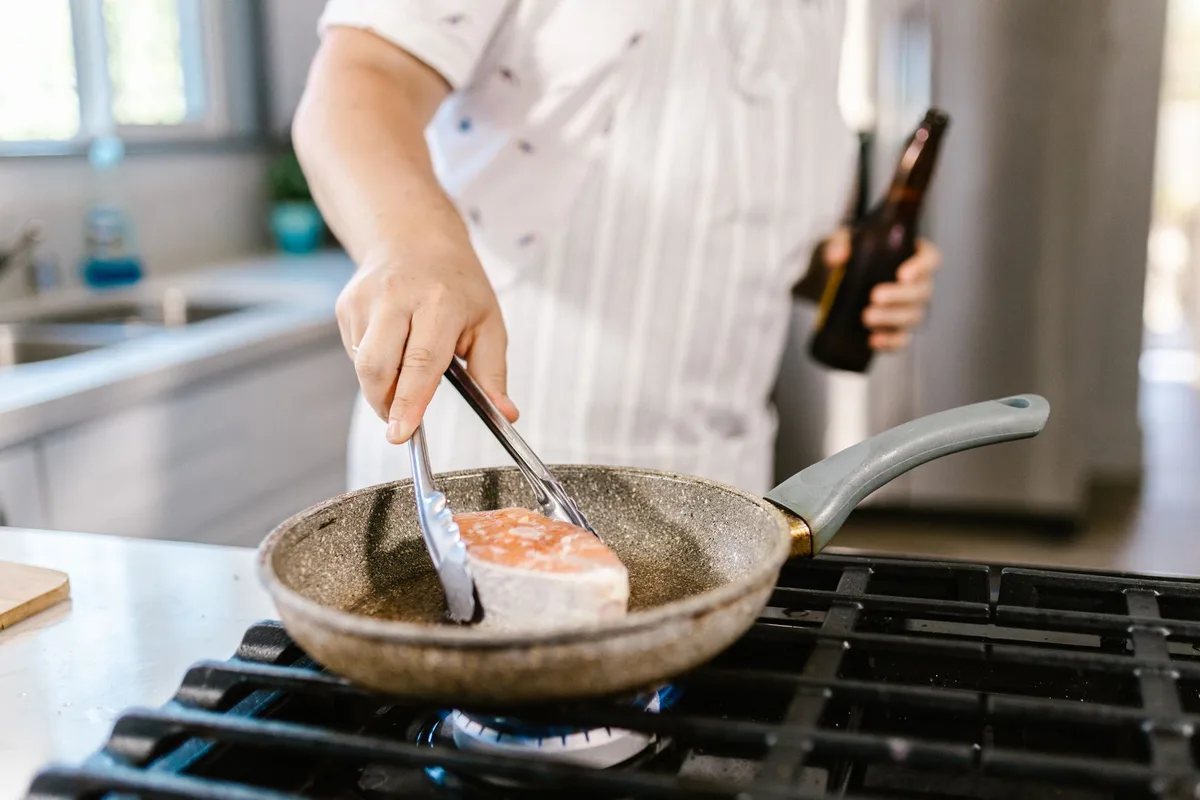
Manufacturers often add a non‑stick coating, PTFE, ceramic, or a proprietary blend, on top of bare or anodized aluminum. The coating, not the metal, becomes the food‑contact surface. If the coating stays intact, aluminum exposure stays near zero.
If the coating chips, the underlying metal can react with acidic foods.
Does Aluminum Leach Into Food?
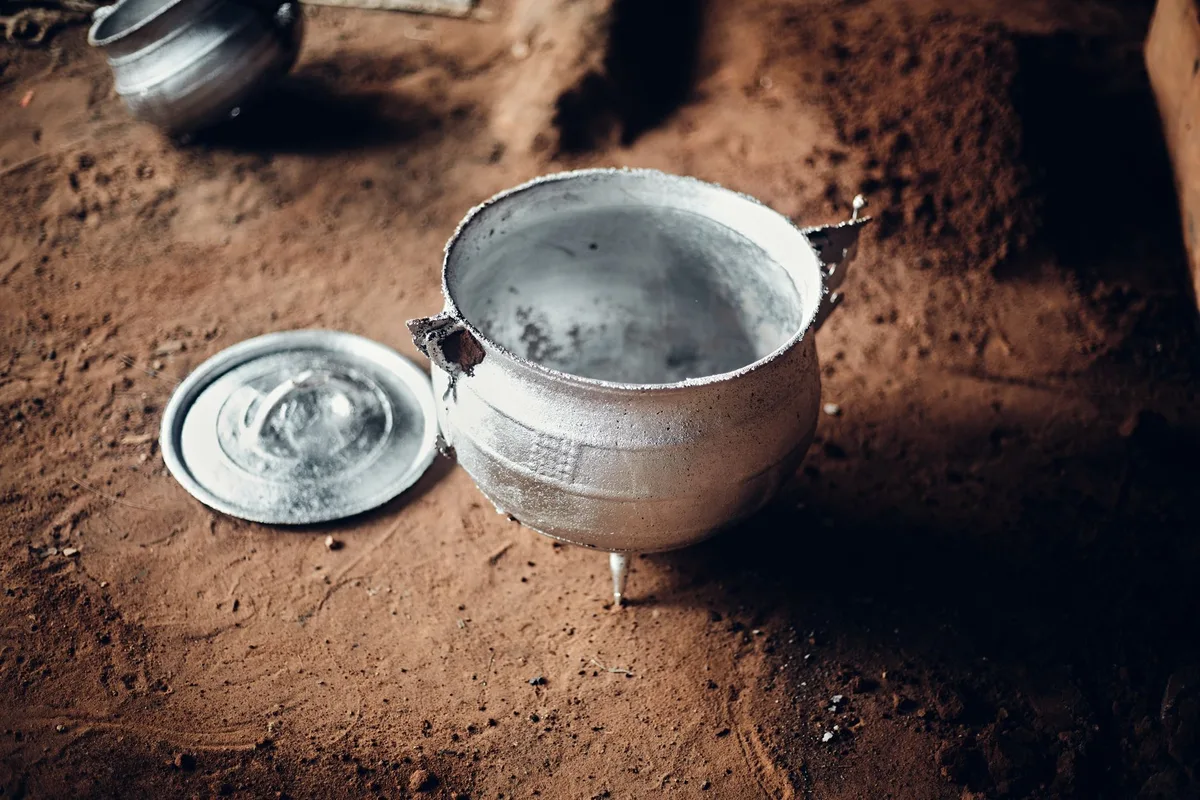
Yes, aluminum can migrate into food, but the amount is usually tiny. Acidic ingredients, tomato sauce, citrus juice, vinegar, accelerate the process. High heat and long simmer times also increase migration.
Studies show that a typical 30‑minute simmer in a bare aluminum pot can add 1, 2 mg of aluminum per kilogram of food. The World Health Organization sets a provisional tolerable weekly intake of 2 mg per kilogram of body weight. For a 70 kg adult that equals 140 mg per week.
Even a heavy user of bare aluminum would stay well below that limit.
The FDA notes that aluminum from cookware contributes a small fraction of total dietary aluminum, which also comes from additives, water, and certain medicines. The agency classifies aluminum cookware as safe for normal household use. A university extension bulletin from the University of Minnesota echoes that stance, emphasizing that anodized surfaces cut leaching by 90 % or more.
Health Concerns: Alzheimer’s, Kidney, and More
Aluminum has been studied for links to Alzheimer’s disease since the 1960s. Early autopsy work found higher brain aluminum in some patients, but later, larger epidemiological studies failed to confirm a causal role. The Alzheimer’s Association states that everyday exposure from cookware, antiperspirants, and food additives does not constitute a proven risk factor.
People with impaired kidney function handle aluminum differently. Their bodies cannot excrete the metal efficiently, so they can accumulate higher tissue levels. If you have chronic kidney disease, talk to your nephrologist before relying heavily on bare aluminum.
For everyone else, the kidneys clear the small amounts that enter the bloodstream without trouble.
Anodized vs. Regular Aluminum: Which Is Safer?
Anodizing creates a dense, non‑porous oxide layer that is integral to the metal. It resists scratching, does not peel, and blocks most acid‑driven leaching. Independent lab tests show anodized pans release less than 0.1 mg of aluminum per kilogram of food under the same conditions that push bare aluminum to 1, 2 mg.
The surface also tolerates metal utensils better, though sharp knives can still score it.
Regular aluminum is cheaper and lighter. It works fine for boiling water, steaming vegetables, or cooking neutral‑pH foods like rice. If you frequently make tomato‑based sauces, deglaze with wine, or simmer fruit compotes, anodized or clad pans give you peace of mind without a big price jump.
Coatings and Non‑Stick Layers
Non‑stick coatings add another barrier. PTFE (the classic Teflon) is stable up to about 260 °C (500 °F). Overheating an empty PTFE pan releases fumes that can cause polymer‑fume fever in humans and are lethal to pet birds.
Ceramic coatings avoid PTFE but can wear faster, exposing the aluminum underneath. Enamel‑coated aluminum (often sold as “enameled cast‑iron style”) provides a glass‑like surface that is inert and dishwasher‑safe, though it can chip if dropped.
When a coating shows scratches, flakes, or discoloration, replace the pan. Continuing to use a damaged non‑stick surface defeats the purpose of the barrier and may increase aluminum contact.
Proper Use and Care Tips
- Preheat gently. Drop a splash of oil or water before the pan hits full flame. This prevents hot spots that can break down coatings.
- Match pan to burner. A pan wider than the burner wastes energy and creates uneven heating.
- Avoid metal utensils on bare or anodized surfaces. Wooden, silicone, or nylon tools preserve the finish.
- Hand‑wash anodized and coated pans. Dishwasher detergents contain harsh alkalis that dull anodized oxide and degrade non‑stick layers.
- Store dry. Stacking wet pans traps moisture, encouraging corrosion on bare aluminum.
- Discard heavily pitted or warped pans. Deep pits increase surface area for leaching; warping reduces contact with the burner, causing hot spots.
Alternatives If You’re Still Worried
Stainless steel with an aluminum or copper core gives you the heat spread without metal‑food contact. Cast iron holds heat superbly and adds a tiny amount of dietary iron, a plus for many. Carbon steel behaves like a lighter cast iron and develops a natural non‑stick patina.
Ceramic‑coated pans (no PTFE) work well for low‑fat cooking, provided you respect their temperature limits. Each option carries its own maintenance routine, but none leach aluminum.
Quick FAQ
Can I put aluminum foil in the oven?
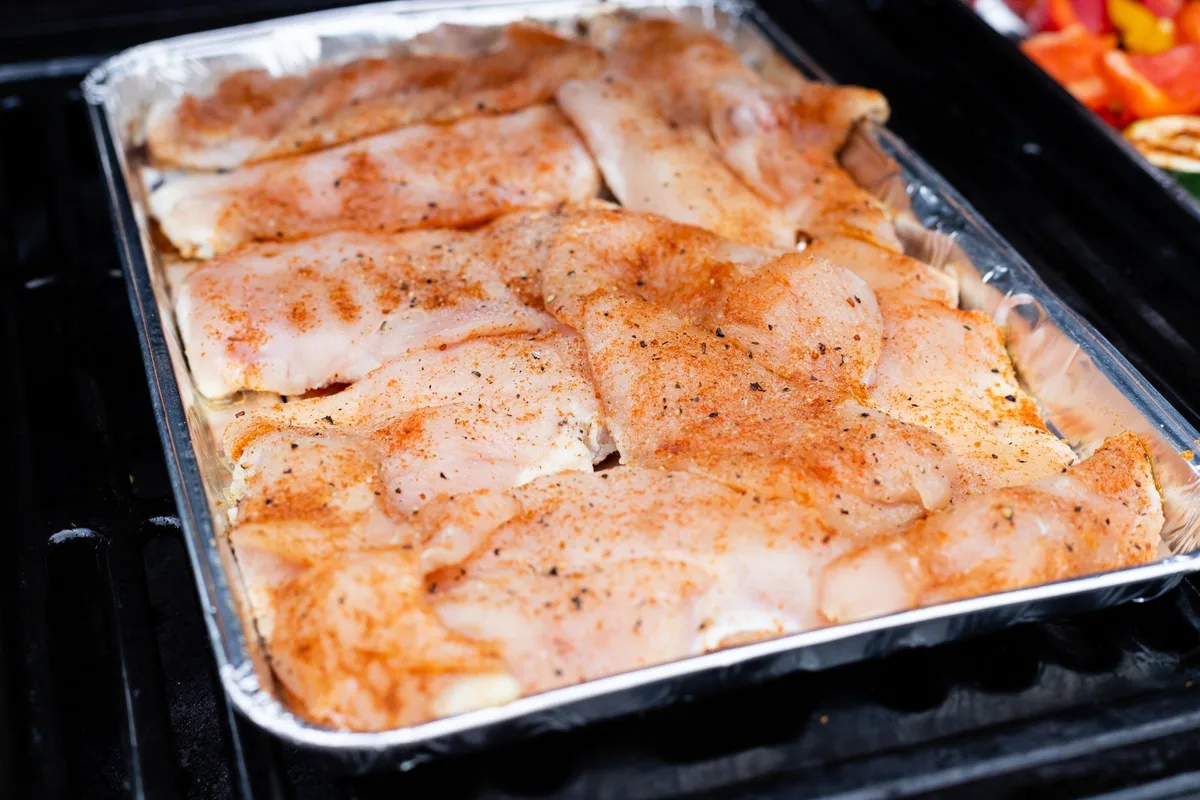
Yes. Foil is thin aluminum; it does not leach appreciably at oven temperatures unless it touches highly acidic food for hours.
Is recycled aluminum cookware safe?
Recycled content does not change the metal’s chemistry. Look for the same anodized or coated finishes you would on virgin aluminum.
Do induction cooktops work with aluminum?
Only if the pan has a magnetic base, usually a stainless‑steel disc bonded to the bottom. Pure aluminum is non‑magnetic.
What about aluminum bakeware?
Same principles apply. Anodized baking sheets are a smart choice for acidic batters like lemon cake.
Should I avoid aluminum if I’m pregnant?
Current guidelines do not restrict aluminum cookware during pregnancy. Total dietary aluminum remains far below the WHO limit.
Aluminum pans earn their place in the kitchen through speed, affordability, and even heating. Choose anodized or clad versions for acidic dishes, keep coatings intact, and follow basic care rules. Do that and the aluminum that reaches your plate stays a negligible fraction of what you already consume from water, food additives, and the environment.
Cook confidently.