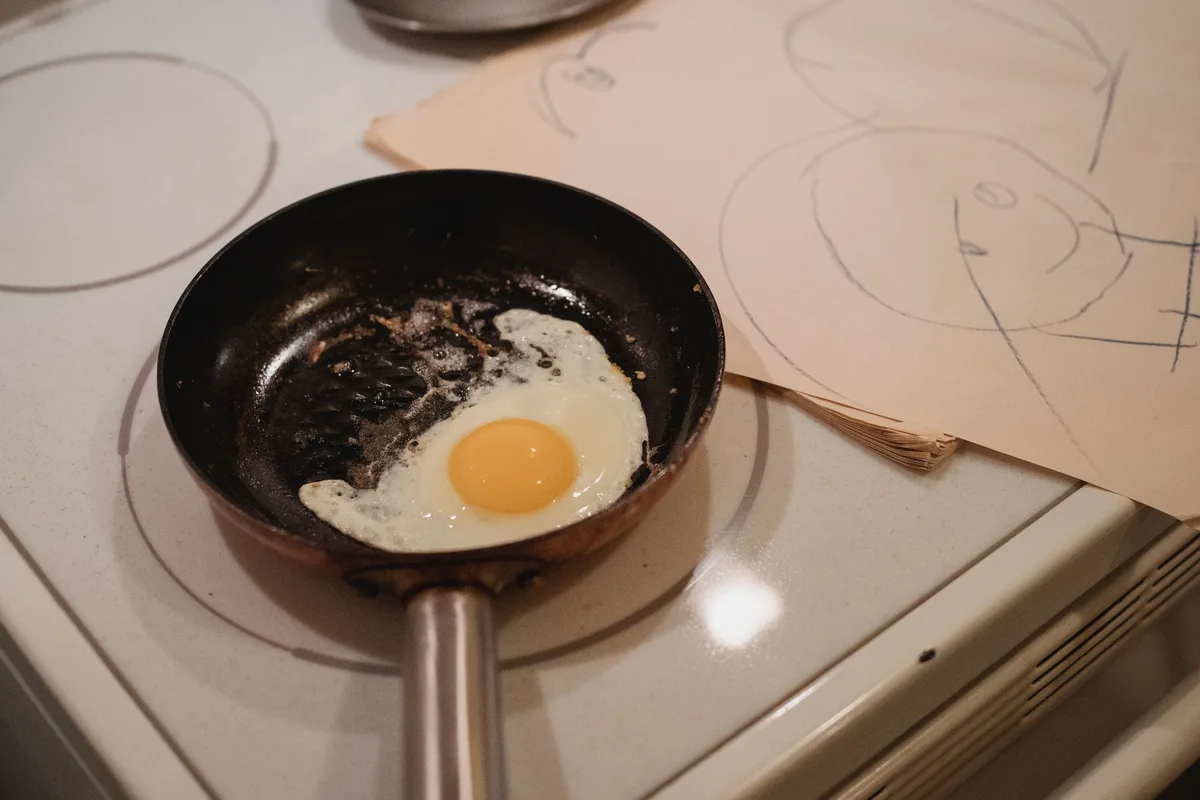
You’ve probably seen it in every kitchenware aisle. Sleek, colorful, and marketed as the “healthy” alternative to traditional non-stick pans. Ceramic coated cookware has exploded in popularity over the past decade.
But the question that keeps popping up is simple: Is ceramic coated cookware safe?
I’ve tested dozens of these pans, read the material safety data sheets, and talked to chemists who study coatings. I’m not here to sell you anything. I’m here to give you the straight facts so you can decide for yourself.
Let’s cut through the marketing fluff.
What Is Ceramic Coated Cookware, Really?
Ceramic coated cookware isn’t made of solid ceramic like a dinner plate. The base is usually aluminum or stainless steel. Then a liquid “sol-gel” coating, made primarily from silicon dioxide (basically sand), is applied and baked on.
That thin layer creates a smooth, non-stick surface.
Manufacturers call it “ceramic” because the coating hardens into a glass-like finish. It’s inorganic, which means it doesn’t contain carbon-based polymers like PTFE (Teflon). That distinction matters for safety.
The FDA regulates cookware as a food contact substance. Any coating sold in the US must meet FDA standards for leaching and heat stability. Most ceramic coatings pass those tests easily.
But “passing” and “perfectly safe under all conditions” are two different things.
The Short Answer: Yes, It’s Generally Safe — With Caveats
Here’s the bottom line upfront: Ceramic coated cookware is considered safe for everyday cooking, provided you buy from a reputable brand and don’t abuse the pan.
No major health agency, not the FDA, not the European Food Safety Authority, not the WHO, has issued warnings against ceramic-coated cookware. Studies show that under normal cooking temperatures (below 500°F / 260°C), these coatings release negligible amounts of substances into food.
But “safe” isn’t a binary switch. It depends on how you use it.
How Ceramic Coating Compares to Traditional Non-Stick (PTFE)
Most people ask about ceramic because they’re worried about PTFE or PFOA. Let’s clear that up.
PTFE (polytetrafluoroethylene) is the classic non-stick coating. Old PTFE pans often used PFOA in manufacturing, which is a known environmental pollutant and potential carcinogen. PFOA was phased out in the US by 2015.
Modern PTFE pans are PFOA-free.
But PTFE still has a weakness: it starts to degrade above 500°F. If you leave an empty PTFE pan on high heat, it can release fumes that cause “polymer fume fever”, flu-like symptoms in humans and deadly lung damage in pet birds.
Image source: Pexels / cottonbro studio (Pexels License)
Ceramic coatings handle higher temperatures better, typically up to 600, 800°F before breaking down. They don’t produce the same toxic fumes. That’s a genuine safety advantage.
But here’s the trade-off: ceramic coatings aren’t as durable. They scratch easier, wear faster, and lose their non-stick properties within one to two years of regular use. PTFE pans last longer if you treat them gently.
Which is safer? For heat-related risks, ceramic wins. For longevity and coating integrity, which also affects safety, PTFE wins. You have to pick your priority.
Are There Any Health Risks from Ceramic Cookware?
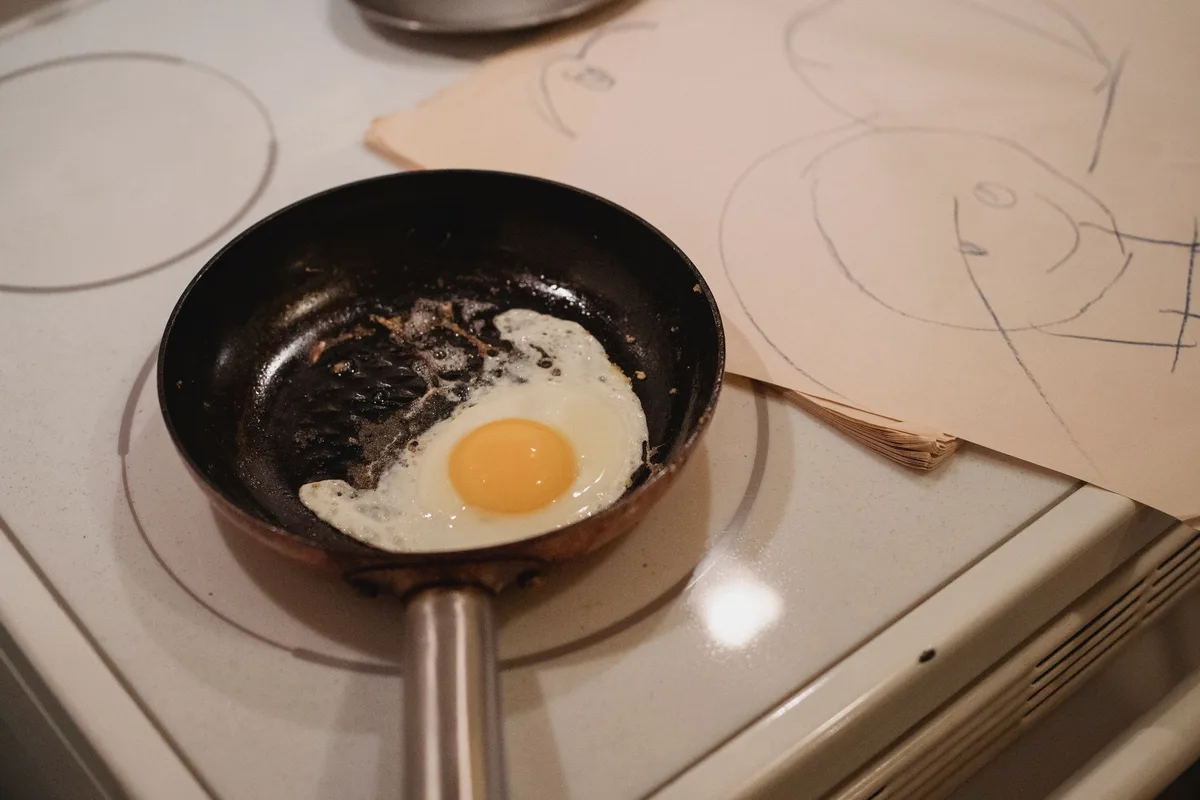
Image source: Pexels / Kamaji Ogino (Pexels License)
Let’s get into the specific concerns people raise.
Heavy Metal Leaching
Some cheaper ceramic coatings contain trace amounts of lead, cadmium, or other heavy metals used as color pigments. These metals are toxic even in small amounts.
The good news: reputable brands test their coatings to meet California’s Proposition 65 limits and EU food contact regulations. The bad news: not all manufacturers are transparent.
What you can do: Stick with brands that publish third-party lab results. Look for “lead-free” and “cadmium-free” labels. Avoid no-name pans from discount stores.
I’ve personally seen test results from a budget pan that showed lead levels above the safe limit. It’s rare, but it happens.
Chipping and Swallowing Particles
When a ceramic coating chips, those flakes are basically silicon dioxide, the same material as glass or sand. Ingesting a tiny flake isn’t toxic. Your stomach acid won’t dissolve it, and it should pass through your digestive system without harm.
But there’s a catch: if the coating chips into your food, you’re also ingesting the aluminum or steel base underneath. Aluminum exposure is a long-standing concern, especially for people with kidney disease or those who cook acidic foods (tomatoes, lemon juice) in bare aluminum. The FDA considers aluminum cookware safe, but some studies suggest a link between high aluminum intake and neurodegenerative diseases.
The evidence is inconclusive.
So the real risk of chipping isn’t the ceramic itself, it’s the exposed metal beneath.
Gas Stove and High Heat
Ceramic coatings are more heat-tolerant than PTFE, but they’re not indestructible. Heat a ceramic-coated pan to over 650°F for an extended period, and the coating can start to degrade and release microscopic particles. Those particles are mostly amorphous silica.
Inhaling large amounts over time could irritate lungs, think of it like fine dust. But normal cooking doesn’t reach those temperatures unless you’re searing a steak on high heat for 20 minutes with no oil.
The “Greenwashing” Problem
Many ceramic cookware brands market themselves as “100% natural” or “chemical-free.” That’s marketing, not science. The coating is still a chemically manufactured material. It’s safer than old PTFE, sure, but it’s not dirt.
A sol-gel coating involves solvents, stabilizers, and sometimes metallic oxides for color. “Natural” doesn’t mean harmless.
Who Should Use Ceramic Coated Cookware?
Ceramic is a solid choice for specific people:
- Bird owners. If you keep pet birds, PTFE fumes can kill them. Ceramic is the safest non-stick option.
- Pregnant women or parents of young children. Minimizing exposure to any synthetic coating makes sense, even if the risk is low.
- People who prefer lower heat cooking. Ceramic works beautifully for eggs, pancakes, fish, and vegetables at medium or low heat.
- Anyone who wants a lightweight, easy-to-clean pan. Ceramic is easier to clean than stainless steel, and you don’t need heavy seasoning like cast iron.
Who should avoid ceramic?
- Heavy-duty searing enthusiasts. If you regularly blast pans on high heat for steaks, ceramic coatings will degrade fast.
- People who hate replacing pans every year. Ceramic doesn’t last. A good one might give you 18 months of non-stick performance. A cheap one, 6 months.
- Those who use metal utensils. Metal scratches ceramic coatings. Use silicone, wood, or nylon.
How to Choose a Safe Ceramic Coated Pan
Not all ceramic pans are created equal. Here’s what I look for:
- Third-party certification. Look for UL Greenguard, FDA, or EU LFGB certification. These indicate the pan has been tested for leaching.
- Transparent materials list. Reputable brands disclose the coating ingredients. If a company won’t tell you what’s in the coating, run.
- Multiple heat cycles testing. Some online reviewers test pans by heating them empty and measuring off-gassing. If a brand passes those tests, it’s a good sign.
- Reinforced base. Stainless steel or hard-anodized aluminum base is better than thin aluminum. It heats evenly and reduces hot spots that can damage the coating.
- No rivets inside the cooking surface. Rivets collect food and can chip the coating. Better pans use welded handles.
Brands I’ve had good experiences with (for safety and performance): GreenPan (their Thermolon coating), Caraway, and Ozeri. These companies provide lab reports on request. For a broader list of trusted options, the FDA’s website on food contact substances is a good starting point; FDA Food Contact Substances explains how coatings are regulated.
I also recommend checking Consumer Reports’ cookware ratings for independent durability tests.
How to Keep Ceramic Cookware Safe for Longer
Your pan’s safety depends on how you treat it. Follow these rules:
- Don’t preheat empty on high. Always add oil, butter, or food first. An empty pan can overheat the coating.
- Use medium heat or lower. Ceramic doesn’t need high heat. It conducts heat well. Medium is usually enough.
- Avoid thermal shock. Don’t put a hot pan under cold water. Let it cool naturally. Sudden temperature changes cause micro-cracks.
- Hand wash only. Dishwasher detergents are abrasive. Hand wash with a soft sponge and mild soap.
- Replace when scratched or chipped. Once you see bare metal underneath, the pan is no longer safe for non-stick cooking. Either recycle it or use it for baking (lining with parchment paper).
- Don’t store food in the pan. Acidic foods can react with the metal if the coating is compromised. Transfer leftovers to glass or plastic.
What About Ceramic Coating on Pressure Cookers and Rice Cookers?
Same rules apply. Many multicookers now come with ceramic-coated pots. The safety profile is identical to ceramic-coated skillets.
The only extra caution: pressure cookers reach higher temperatures (about 250°F / 121°C), which is well within ceramic’s range. But the constant pressure and steam can accelerate wear. Inspect the coating regularly.
Common Myths About Ceramic Cookware
Myth: Ceramic cookware is completely non-toxic.
Reality: No coating is perfectly inert. Small amounts of silicon, oxygen, and trace metals can migrate into food, especially if the coating is damaged. The amounts are generally negligible, but “non-toxic” is an overstatement.
Myth: Ceramic coatings never release anything into food.
Reality: Studies show that even pristine sol-gel coatings may leach tiny amounts of silica into acidic foods. The levels are far below any health threshold, but they’re not zero.
Myth: All ceramic coatings are the same.
Reality: The quality varies enormously. A $15 ceramic pan from a supermarket’s own brand might use a coating that contains impurities. A $80 pan from a specialty brand uses a refined, tested formulation.
Myth: You can use metal utensils on ceramic.
Reality: You can, but you shouldn’t. Metal scratches the coating, creating grooves where food sticks and coating flakes off in tiny pieces.
A Note on Environmental Safety
If you care about the planet, ceramic has mixed reviews. The coating itself is less toxic to produce than PTFE, which uses fluorochemicals that persist in the environment. But ceramic pans wear out faster, meaning more waste.
A PTFE pan that lasts 5 years generates less landfill than three ceramic pans over the same period.
Some brands now offer fully recyclable ceramic-coated pans (aluminum base can be recycled if the coating is stripped). But it’s rare. If sustainability matters to you, consider cast iron or stainless steel instead, they last a lifetime.
Final Verdict: Should You Use Ceramic Coated Cookware?
I’ll give you my honest take. For most home cooks, ceramic coated cookware is safe enough. It’s a better choice than old PTFE pans, especially if you have birds or young children.
The health risks are minimal when you buy a quality pan and treat it right.
But ceramic isn’t the ultimate safe cookware. It’s still a manufactured coating. If your goal is to minimize all synthetic materials in your kitchen, go with cast iron, carbon steel, or stainless steel.
Those materials are inert and essentially permanent.
If you want the convenience of non-stick with a lower chemical footprint, ceramic is your best bet. Just don’t expect it to last forever. Treat it well, replace it when it wears out, and you’ll be fine.
So, is ceramic coated cookware safe? Yes, with the usual caveats. Buy smart, cook low, and inspect often.
That’s the real formula.