Blender motors are rated by wattage, but not every number on the spec sheet tells you how strong the machine really is. Choosing the right motor size for your kitchen tasks saves money, prevents premature burnout, and keeps your recipes consistent. Here’s what you actually need to know before you buy.

Manufacturers commonly label units from 300 watts for light blending up to 1,500 watts or more for heavy-duty work. Understanding that distinction, and knowing which rating reflects real-world power, is the single biggest mistake buyers make. Let’s clear up the confusion first, then walk through the decision process together.
Quick Answer
How to choose blender motor wattage? Match wattage to your ingredients and usage frequency. Soft blends need 300, 500W.
Ice crushing requires 700, 900W. Daily heavy tasks demand 1,000W+. Always check continuous duty wattage, not peak wattage, before buying.
Peak vs. Continuous Duty Wattage: The One Thing That Matters
The biggest source of confusion in blender shopping is the gap between peak wattage and continuous duty wattage. Peak wattage represents the maximum power a motor can produce for a few seconds before it would overheat. Continuous duty wattage is the power the motor sustains during normal operation without damage.
That’s the number that matters for real-world performance.
Many budget blenders advertise 1,400 watts or more. In practice, those peaks rarely exceed 600 watts of sustained output. A 700-watt continuous-duty motor often outperforms a misleadingly labeled 1,400-watt peak unit.
This gap exists because manufacturers use different measurement standards and marketing plays. Always look for the continuous duty rating on the spec sheet.
Motor efficiency also affects real output. A high-quality 800-watt motor with good cooling and efficient gearing delivers more usable power than a cheaply built 1,200-watt motor. The National Electrical Manufacturers Association provides standards that help define how motor ratings should be measured NIST electrical standards reference.
When comparing models, prioritize verified continuous wattage over bold peak claims.
You can find the continuous duty rating in owner manuals and product specifications. If a manufacturer only lists peak wattage, treat the figure with skepticism. Ask the seller for confirmed continuous wattage data before purchasing.
This single check protects you from underpowered expectations and wasted money.
Your Blender Motor Decision Tree: Three Branches
Your ideal wattage depends on what you blend most often and how frequently you run the machine. Use this simple decision tree to find your match quickly.
What You Usually Blend
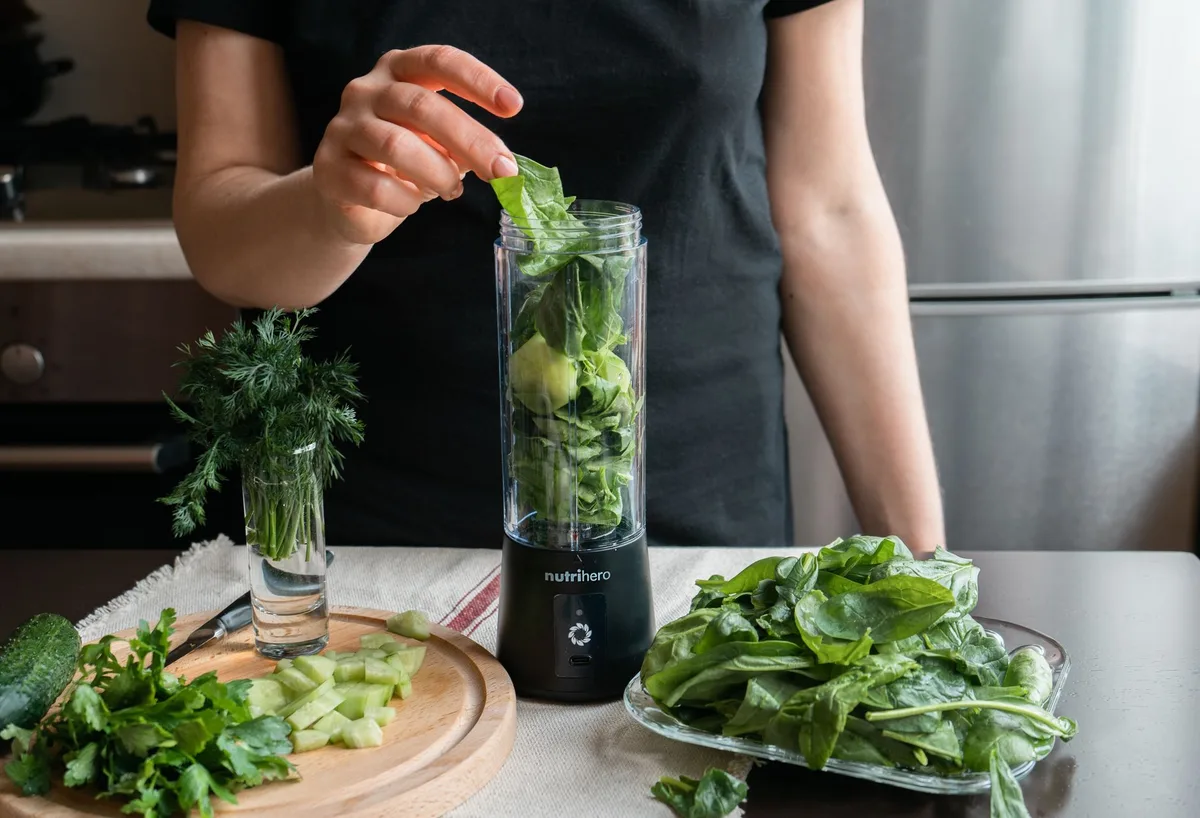
If your routine involves soft foods like bananas, yogurt, milkshakes, or leafy greens, a lower-wattage motor handles the job efficiently. These ingredients require minimal torque. An overpowered motor here is unnecessary expense and excess noise.
If you blend hard items like frozen fruit, ice cubes, or raw vegetables regularly, mid-range to high wattage becomes essential. Hard ingredients demand more sustained power to crush cleanly without stalling the motor.
How Often You Use It
Occasional users who blend once or twice weekly benefit most from budget-friendly options. Frequent daily users place heavier wear on motors and should invest in higher-rated continuous wattage. A motor that runs at capacity every day needs better heat dissipation and stronger internal components to last.
Your Target Result
Smooth purees and drinks tolerate lower wattage. Chunky salsas or hot soup purées require strong, consistent power to reach smooth textures without burning the motor. If your goal is nut butter, grain grinding, or thick dough mixing, you need the highest wattage tier available.
Those tasks push motors hard and demand sustained torque over extended periods.
Three Wattage Tiers: What Each One Really Handles
Most blenders fall into three practical wattage tiers. Understanding what each tier genuinely handles prevents costly mismatches.
| Tier | Continuous Wattage | Best For | Typical Price Range |
|---|---|---|---|
| Entry | 300–500W | Smoothies, milkshakes, soft purees | $80–$180 |
| Mid-range | 700–900W | Ice crushing, frozen fruit, daily family use | $180–$400 |
| High-performance | 1,000W+ | Nut butter, hot soups, commercial volume | $400–$800+ |
Entry-level blenders work fine for single-serving soft blends. They struggle with anything frozen or dense. Mid-range machines handle everyday family needs well, including ice crushing for cocktails and frozen smoothie bases.
High-performance units justify their price when used regularly for demanding tasks.
Consider that a 500-watt continuous-duty motor blends frozen berries adequately if you add liquid first. A 500-watt motor attempting dry ice crushing will overheat and fail. Task and ingredient hardness drive the decision more than raw wattage numbers alone.
Always match the tier to your heaviest likely task, not your easiest routine.
Motor-Busting Mistakes to Avoid
Blender motors fail prematurely mostly because of avoidable misuse patterns. Knowing these common errors helps you protect your investment significantly.
Overloading the pitcher forces the motor to work against its designed limits. Always respect the maximum fill line and never exceed the recommended ingredient volume for your model. Processing extremely hard or thick mixtures without adequate liquid creates excessive resistance and overheating.
Running a blender continuously beyond its duty cycle is another frequent cause of burnout. Most home blenders are designed for short bursts, not marathon sessions. If you’re processing large batches, pause between intervals to let the motor cool down.
This practice extends motor life considerably.
Blending completely dry, hard ingredients in a low-wattage machine is a guaranteed way to fry a motor. Tasks like grinding whole spices, making nut butter, or crushing large ice volumes require machines built for that specific workload. Using an entry-level blender for professional-level tasks is a fast track to repair bills or replacement costs.
Finally, ignoring unusual sounds like grinding, whining, or smoking immediately is dangerous. These are warning signals that the motor is under stress or damaged. Stop the machine, unplug it, and investigate before continuing.
Regular maintenance, such as cleaning the blade assembly and ensuring vents stay free of debris, also prevents premature failure.
Safety and Certification: What Actually Protects Your Home
Motor wattage alone doesn’t guarantee a safe appliance. Electrical certifications and built-in safety features matter just as much when protecting your kitchen and family. Look for UL, ETL, or CE markings on any blender you purchase.
These indicate the unit meets recognized electrical safety standards and has been tested for fire and shock hazards.
Overheat protection is another critical feature worth prioritizing. Quality motors include thermal cutoff switches that automatically shut power when temperatures exceed safe limits. This prevents insulation damage and reduces fire risk during extended blending sessions.
Without this safeguard, a motor running too hot can damage internal components or create a hazard.
Grounding matters too, especially for higher-wattage units drawing more current. Plug all blenders into properly grounded outlets and avoid using extension cords whenever possible. Extension cords can introduce resistance, cause voltage drops, and increase overheating risk at the connection point.
If you’re unsure about electrical safety in your home, consult a licensed electrician or refer to guidance from organizations like Underwriters Laboratories, which maintains public resources on appliance safety standards UL safety information. Taking these precautions ensures your powerful new blender operates safely alongside your other kitchen appliances.
FAQs: Blender Motor Wattage Questions People Ask
Is higher wattage always better for a blender?
Higher wattage helps with tough tasks but isn’t always necessary. If you only blend soft ingredients occasionally, a lower-wattage model saves money and energy. Match wattage to your actual needs rather than assuming more power equals better performance across the board.
What’s the difference between peak and continuous wattage?
Peak wattage is the maximum power a motor produces briefly before overheating. Continuous duty wattage is the sustainable power level during normal operation. Always prioritize continuous wattage when comparing models since it reflects real-world capability.
How many watts do I need for ice crushing?
Ice crushing typically requires at least 700 watts of continuous duty power. For regular ice-heavy use, consider 900 watts or higher to prevent motor strain and ensure clean results without stalling or overheating during the task.
Can a low-wattage blender handle frozen fruit?
A 500-watt blender can process frozen fruit if you add sufficient liquid and blend in short pulses. Results won’t match high-performance machines, and the motor will work harder. Expect longer blending times and periodic pauses to prevent overheating during the process.
How long should a blender motor last?
Quality blenders with proper wattage selection typically last five to fifteen years depending on usage frequency and maintenance. Daily heavy-duty users should expect the shorter end of that range unless investing in commercial-grade equipment built for sustained professional operation.
Should I buy a blender based only on wattage?
Wattage is important, but it’s not the only factor. Motor build quality, blade design, pitcher shape, and gear construction all affect blending performance. Two blenders with identical wattage ratings can produce very different results.
Review real-world testing data and user feedback alongside specifications before making your purchase decision.
Does blender wattage affect energy bills?
Yes, higher-wattage motors consume more electricity during each use. However, the difference is usually minimal for typical home use. A 1,000-watt blender running for two minutes uses roughly 0.03 kilowatt-hours, costing less than a penny per session.
Choose the right wattage for your actual needs rather than oversizing and wasting money on unused power capacity.
What warranty should I expect from a quality blender motor?
Reputable manufacturers typically offer three to ten-year warranties covering motor defects. Commercial-grade units may include longer coverage periods. Read the fine print carefully, as many warranties exclude damage from overloading, improper use, or lack of maintenance.
A comprehensive warranty often signals manufacturer confidence in motor durability and build quality.
Can I make nut butter in any blender?
Making nut butter requires a motor strong enough to handle thick, viscous mixtures without stalling. You’ll need at least 1,000 watts of continuous duty power and a machine designed for that specific workload. Most entry-level and mid-range blenders simply lack the torque to process nuts into smooth butter.
Attempting this task with insufficient power will likely burn out the motor before achieving results.
Should I buy a commercial blender for home use?
Commercial blenders offer superior motors but come with significantly higher prices and larger footprints. If you blend daily and regularly process tough ingredients, the investment may be worthwhile. For occasional use, a high-quality home model in the 900 to 1,200 watt range delivers excellent performance without the premium cost.
Match the machine to your actual usage patterns rather than aspirational ones.
Final Recommendation: How to Make Your Decision
Choosing the right blender motor comes down to matching wattage with your real habits, not your ideal ones. Start by listing the ingredients you blend most often and how many times per week. If frozen fruit and ice appear daily, target 900 to 1,100 watts continuous duty.
If your routine stays soft and occasional, 400 to 600 watts covers you well without overspending.
Always verify continuous duty wattage over peak claims. Check that the unit carries recognized safety certifications like UL or ETL listing. Read warranty terms carefully and prefer brands offering three years or more on the motor.
A slightly higher initial investment in a properly rated, well-built motor pays for itself through longer service life and consistent blending results every single day.