Glass cookware is a kitchen workhorse. You’ve got your Pyrex baking dishes, your glass stovetop, your glass lids, and those beautiful clear casserole dishes. They look gorgeous when clean.
But let’s be honest, they also show every single speck of grime.
I’ve spent years testing cleaning methods on glass cookware. I’ve burned cheese onto casserole dishes, baked on tomato sauce until it looked like a science experiment, and scrubbed glass stovetops until my arm ached. Through all that trial and error, I’ve found what actually works.
And what doesn’t.
Here’s the thing about glass cookware: it’s durable, but it’s also demanding. You can’t just scrub it with a steel wool pad and call it done. That’s a one-way ticket to a scratched, cloudy surface that never looks clean again.
So let’s cut through the noise. This guide covers exactly how to clean glass cookware, from everyday maintenance to tackling those stubborn, burnt-on disasters. No fluff.
Just proven methods.
Why Glass Cookware Needs Special Care
Glass is non-porous. That’s a huge advantage, it doesn’t absorb flavors, odors, or bacteria like plastic or some ceramics do. But it’s also brittle and prone to thermal shock.
Sudden temperature changes can crack it. Harsh abrasives can scratch it permanently.
Glass cookware also shows everything. That faint rainbow residue from hard water? Visible.
Those tiny scratches from scrubbing? Obvious. That greasy film from roasting chicken?
Right there for everyone to see.
The goal isn’t just cleanliness. It’s clarity. You want your glass pieces to look like they just came out of the box, transparent, shiny, and flawless.
Essential Supplies for Cleaning Glass Cookware
Before you start scrubbing, gather the right tools. Using the wrong ones is where most people mess up.
What You’ll Need
- Microfiber cloths, The single most important tool. They trap dirt without scratching. Never use paper towels on glass lids or stovetops; the fibers can be abrasive.
- Non-abrasive sponge, A soft cellulose sponge or a scrub sponge labeled “non-scratch.”
- Baking soda, Your gentle abrasive for stuck-on food.
- White vinegar, Cuts through grease and mineral deposits.
- Dish soap, A mild, grease-cutting formula.
- Isopropyl alcohol (70% or higher), For streak-free final shine.
- Razor scraper, For glass stovetops only. Use with extreme care.
- Cooktop cleaning cream, If you have a glass stovetop, buy a dedicated cleaner. They’re formulated to remove burnt residue without scratching.
What to Avoid
- Steel wool, Immediate scratches. Every time.
- Abrasive scrub pads, The green scouring pads will dull glass over time.
- Harsh chemicals like bleach or ammonia, They can damage the surface and leave harmful residues.
- Cold water on hot glass, Thermal shock causes cracks. Always let glass cool before cleaning.
How to Clean Glass Cookware: Step by Step
Cleaning glass cookware isn’t complicated, but the order matters. Follow these steps for consistently clear, clean results.
Step 1: Let It Cool Completely
This is not optional. Pouring cold water into a hot Pyrex dish or hitting a hot glass stovetop with a wet cloth can shatter it. I’ve seen it happen.
Let everything cool to room temperature before you even think about cleaning.
Step 2: Rinse and Scrape Off Loose Debris
Run warm water over the cookware. Use a soft spatula or your fingers to remove any loose food bits. Don’t use a knife or metal tool, those scratch.
Step 3: Apply Your Cleaning Solution
For everyday cleaning, a few drops of dish soap in warm water is enough. For tougher grime, use one of the targeted methods below.
Step 4: Scrub Gently
Use your microfiber cloth or soft sponge in circular motions. Let the cleaner do the work, not your elbow grease. Scrub until the residue lifts away.
Step 5: Rinse Thoroughly
Residual soap leaves cloudy streaks. Rinse with warm water until the glass feels smooth and looks clear.
Step 6: Dry and Polish
Air drying leaves water spots. Instead, dry immediately with a clean microfiber cloth. For a final polish, spray a little isopropyl alcohol on the cloth and wipe down the glass.
That step eliminates every last streak.
Cleaning Burnt-On Food from Glass Bakeware
Burnt-on food is the worst. That blackened crust on the bottom of a lasagna dish looks impossible to remove. But it’s not.
Here’s the method I use every time.
The Baking Soda Paste Method
Mix three parts baking soda with one part water to form a thick paste. Spread it over the burnt areas. Let it sit for 15 to 30 minutes.
The baking soda breaks down the carbonized food without scratching.
After the wait, scrub gently with a damp microfiber cloth. Most of the burnt residue will come off. For stubborn spots, add a little white vinegar to the paste, the fizzing reaction helps lift the grime.
Rinse thoroughly. Dry and polish.
The Boiling Water Trick
For heavy buildup, fill the dish with water and add a few drops of dish soap. Place it on the stovetop (if it’s stovetop-safe) or in the oven at low heat (around 200°F). Bring the water to a gentle simmer for 10 minutes.
The hot water loosens the burnt food. Let it cool, then dump the water and scrub. This method works beautifully for caramelized sugar or burned cheese.
The Vinegar Soak
For baked-on grease or cloudy residue, fill the glass dish with equal parts white vinegar and warm water. Let it soak for an hour or overnight. The acid cuts through grease and dissolves mineral deposits.
After soaking, wash normally with dish soap. The glass should come out crystal clear.
How to Clean a Glass Stovetop
Glass stovetops are beautiful until they look like a Jackson Pollock painting of burnt soup and coffee spills. Cleaning them requires a different approach than glass bakeware because you can’t submerge them in water.
Daily Cleaning
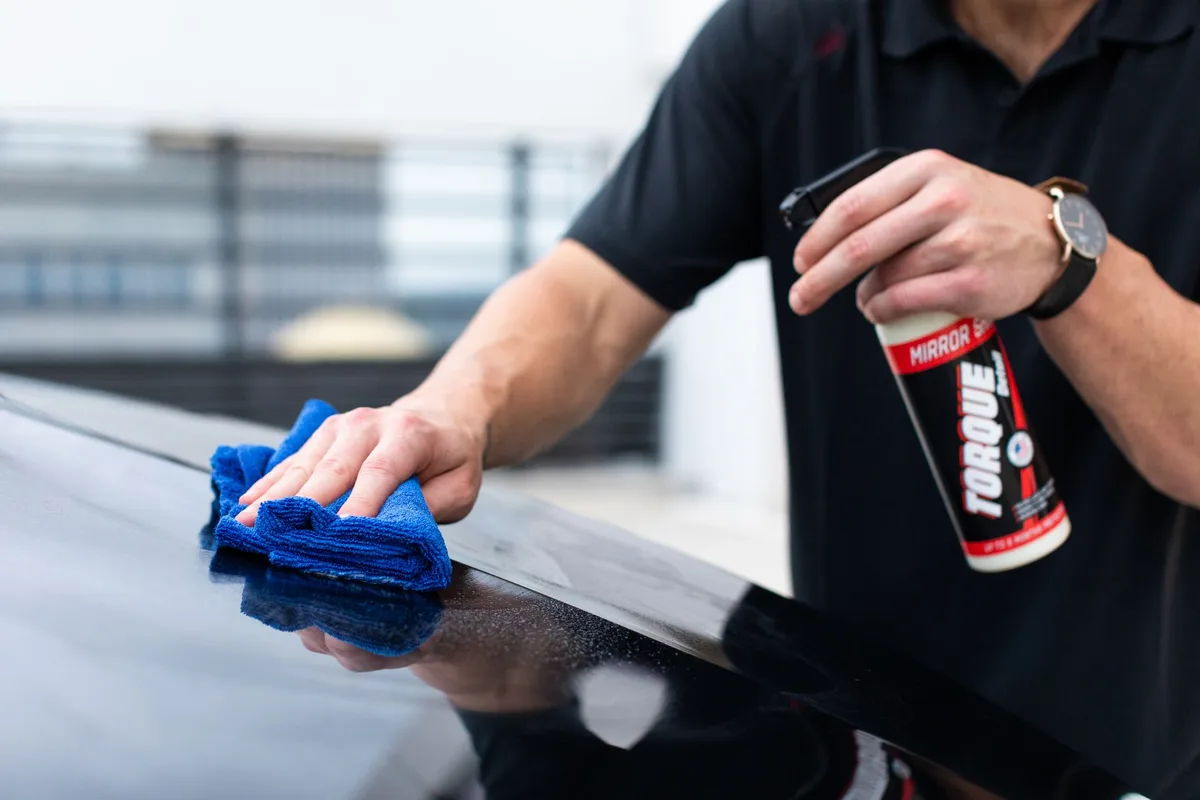
After the stovetop cools, spray it with a dedicated glass cooktop cleaner. Wipe with a microfiber cloth. For light spills, this is all you need.
Weekly Deep Cleaning
For a deeper clean, sprinkle baking soda over the cooktop. Spray white vinegar on top. The mixture fizzes and lifts grime.
Let it sit for 5 minutes, then wipe with a damp microfiber cloth. Buff dry.
Removing Burnt-On Stains
This is where the razor scraper comes in. Hold it at a 45-degree angle to the glass. Gently scrape the burnt residue.
The key word is “gently.” You’re not digging into the glass, you’re lifting the burnt layer off the surface.
Never use the scraper on a textured or ceramic stovetop. Only smooth glass.
After scraping, clean with cooktop cleaner and polish with a dry cloth.
Preventing Scratches
The number one cause of scratched glass stovetops is sliding cookware across the surface. Lift pots and pans, don’t drag them. Also, keep the stovetop clean of grit and crumbs before cooking, those tiny particles act like sandpaper when a pot moves over them.

Common Causes of Glass Cookware Damage
Knowing what damages glass cookware helps you prevent it. Here are the most common culprits.
Thermal Shock
This is the big one. Glass expands when heated and contracts when cooled. If that change happens too fast, the glass cracks.
Never put a hot glass dish directly into cold water. Never put a cold glass dish into a hot oven. Always preheat the oven with the dish inside, or let it come to room temperature first.
The U.S. Consumer Product Safety Commission has documented numerous cases of glass cookware shattering from thermal shock. It’s not rare.
Be careful.
Abrasive Cleaners and Tools
Steel wool, scouring pads, and gritty cleaning powders scratch glass. Those scratches trap dirt and make the glass look permanently cloudy. Once scratched, there’s no fixing it.
Stick to soft sponges, microfiber cloths, and gentle cleaners.
Hard Water Deposits
If your tap water is hard, you’ll see white, chalky residue on your glass cookware after washing. That’s calcium and magnesium deposits. They build up over time and make glass look foggy.
The fix is regular vinegar soaks. Rinse with distilled water if hard water is a persistent problem in your area.
Grease Film
After roasting meats or baking with oil, glass dishes can develop a greasy film that regular dish soap doesn’t fully remove. You see it when light hits the dish, a slightly rainbow, oily sheen.
Use a degreasing dish soap or add a squirt of rubbing alcohol to your wash water. Alcohol cuts through grease better than soap alone.
How to Remove Cloudiness from Glass Cookware
Cloudy glass is frustrating. You wash it, dry it, and it still looks dirty. Here’s how to fix it.
Identify the Cause
First, figure out what’s causing the cloudiness.
- Hard water deposits look like a white film that wipes off temporarily but returns.
- Grease film looks rainbow or oily.
- Etching looks permanently frosted and doesn’t fade with cleaning.
For Hard Water Deposits
Soak the glass in white vinegar for 30 minutes. Scrub with a non-abrasive sponge. Rinse.
If the cloudiness persists, make a paste of baking soda and vinegar, scrub gently, and rinse again.
For Grease Film
Wash with a grease-cutting dish soap and hot water. Add a tablespoon of ammonia to the wash water for extra degreasing power. Rinse thoroughly.
Then polish with rubbing alcohol on a microfiber cloth.
For Etching
Here’s the hard truth: etching is permanent. It happens when glass is exposed to harsh detergents, high heat, or prolonged contact with acidic foods. You can’t reverse it.
The only solution is prevention. Don’t use dishwasher detergents with high alkalinity on glass cookware (many automatic dishwashing detergents are too harsh). Don’t let acidic foods sit in glass dishes for extended periods.
And never stack glass cookware without padding, friction causes microscopic scratches that eventually look like etching.
Dishwasher vs. Hand Washing for Glass Cookware
This is a debate that comes up constantly. Here’s my take.
The Case for Hand Washing
Hand washing gives you control. You can use gentle cleaners and soft cloths. You can inspect each piece as you clean it.
You avoid the harsh chemicals and high heat of a dishwasher.
For valuable or sentimental glass pieces, hand wash every time.
The Case for the Dishwasher
Many glass cookware pieces are labeled dishwasher-safe. And honestly, the dishwasher does a great job on most everyday pieces, provided you follow a few rules.
First, check the manufacturer’s guidelines. Pyrex, for example, says their glass bakeware is dishwasher-safe. But they also recommend not using the “heated dry” cycle, which can expose the glass to extreme temperature changes.
Second, don’t overload the dishwasher. Glass needs space for water to circulate. If dishes are crammed together, they bump and scratch.
Third, use a mild detergent. High-alkaline dishwasher detergents can cloud glass over time.
Fourth, let the glass cool in the dishwasher before opening the door. Rapid cooling from steam hitting cold air can cause thermal shock.
My Recommendation
I hand wash my glass bakeware and my glass stovetop. It takes five minutes. It prevents damage.
And I know the pieces are truly clean.
But I put glass lids and glass measuring cups in the dishwasher because they’re less prone to damage and I’m honest about my time.
Glass Lid Cleaning
Glass lids have a special challenge: the metal rim and the glass seal. Food gets trapped in that seam.
How to Clean Glass Lids
Remove the lid from the pan and let it cool. Rinse with warm water.
For greasy lids, spray with white vinegar and let it sit for five minutes. Scrub with a soft sponge, paying attention to the rim.
For burnt-on food in the rim, use a toothbrush or a small scrub brush. Baking soda paste works well here too.
Rinse thoroughly. Dry with a microfiber cloth. Don’t put glass lids in the dishwasher if the metal rim is aluminum, the dishwasher can discolor or pit the metal.
Storing Glass Cookware
How you store glass cookware affects how long it stays clean and scratch-free.
Nesting
If you stack glass dishes, place a paper towel, microfiber cloth, or felt pad between each piece. That prevents scratches from friction.
Lids
Store lids separately or with a protective layer between the lid and the dish. Glass-to-glass contact causes micro-scratches that accumulate over time.
Avoid Extreme Temperatures
Don’t store glass cookware in the freezer and immediately transfer it to a hot oven. Even Pyrex, which is borosilicate glass designed for temperature resistance, can fail under extreme thermal shock.
In fact, the National Institute of Standards and Technology has studied glass cookware failures and found that thermal shock is the primary cause of breakage. Always let glass adjust to temperature gradually.
Natural Cleaning Solutions for Glass Cookware
If you prefer to avoid commercial cleaners, these natural options work well.
White Vinegar and Baking Soda
This combo handles most cleaning jobs. The vinegar cuts grease and dissolves mineral deposits. The baking soda provides gentle abrasion.
Together, they fizz and lift stubborn grime.
Lemon Juice
Lemon juice is acidic like vinegar but smells better. Use it for light cleaning and deodorizing. Cut a lemon in half, dip it in salt (use a soft cloth, not the lemon directly), and scrub the glass.
Rinse thoroughly.
Rubbing Alcohol
Isopropyl alcohol evaporates quickly and leaves no residue. It’s excellent for final polishing and cutting grease. Use it on a microfiber cloth for a streak-free shine.
Castile Soap
Dr. Bronner’s or similar liquid castile soap is gentle and biodegradable. Mix a few drops with water for an effective everyday cleaner.
It doesn’t leave a film like some commercial dish soaps.
What Not to Do: Common Mistakes
I’ve made every mistake on this list. Learn from my experience.
Don’t Use Bar Keepers Friend on Glass
Bar Keepers Friend is an excellent cleaner for metal and ceramic, but its oxalic acid formula can etch glass. I learned this the hard way on a favorite casserole dish. The cloudy spots never came out.
Don’t Let Food Sit for Days
Glass is non-porous, so it doesn’t absorb stains. But acidic foods like tomato sauce can etch the surface if they sit for extended periods. Clean glass cookware within a few hours of use.
Don’t Use Bleach
Bleach is too harsh for glass cookware. It can leave a residue that’s hard to rinse off completely. Stick to gentler cleaners.
Don’t Scrub in Circular Motions on Stovetops
Wait, I said circular motions earlier. Here’s the distinction: on glass bakeware, circular scrubbing is fine. On glass stovetops, scrub in straight lines.
Circular motions can create visible swirl marks over time. Straight lines keep the surface looking uniform.
Don’t Ignore the Bottom of the Dish
The bottom of your glass bakeware touches the oven rack. It collects baked-on spills and grease. Flip the dish over and clean the bottom too.
That dark, charred residue on the bottom will eventually transfer to your oven rack and create smoke the next time you bake.
Professional Glass Cookware Maintenance Tips
I’ll leave you with the strategies that professional kitchens use to keep their glass cookware looking new.
Clean immediately after use. The longer food sits, the harder it is to remove. In professional kitchens, glass dishes get rinsed and soaked within minutes of coming out of the oven.
Use dedicated cloths. Keep a stack of microfiber cloths that you use only for glass. Fabric softeners and laundry detergents can leave residues on cloths that transfer to glass. Wash your glass-cleaning cloths separately with mild detergent and no fabric softener.
Rotate your cookware. If you use the same glass dish every week, it will eventually show wear from repeated thermal cycles. Rotate between several pieces to extend their lifespan.
Replace when necessary. Glass cookware isn’t indestructible. If you see chips, cracks, or deep scratches, retire the piece. Damaged glass is more likely to shatter under thermal stress.
Inspect regularly. Before each use, check your glass cookware for hairline cracks or chips. These defects compromise the structural integrity. A dish that looks fine at room temperature can fail catastrophically in a hot oven.
The Final Rinse
Glass cookware is worth the extra care. It doesn’t absorb flavors. It doesn’t stain permanently (when cleaned correctly).
It transitions from oven to table without needing a separate serving dish. And when it’s clean, it looks absolutely beautiful.
The key is consistency. Clean after every use. Use the right tools.
Avoid thermal shock. And never, ever use steel wool.
Follow these methods, and your glass cookware will stay clear, shiny, and functional for years. That’s not just cleaning, that’s preserving an investment in your kitchen.
Now go wash that casserole dish. You know which one I’m talking about.