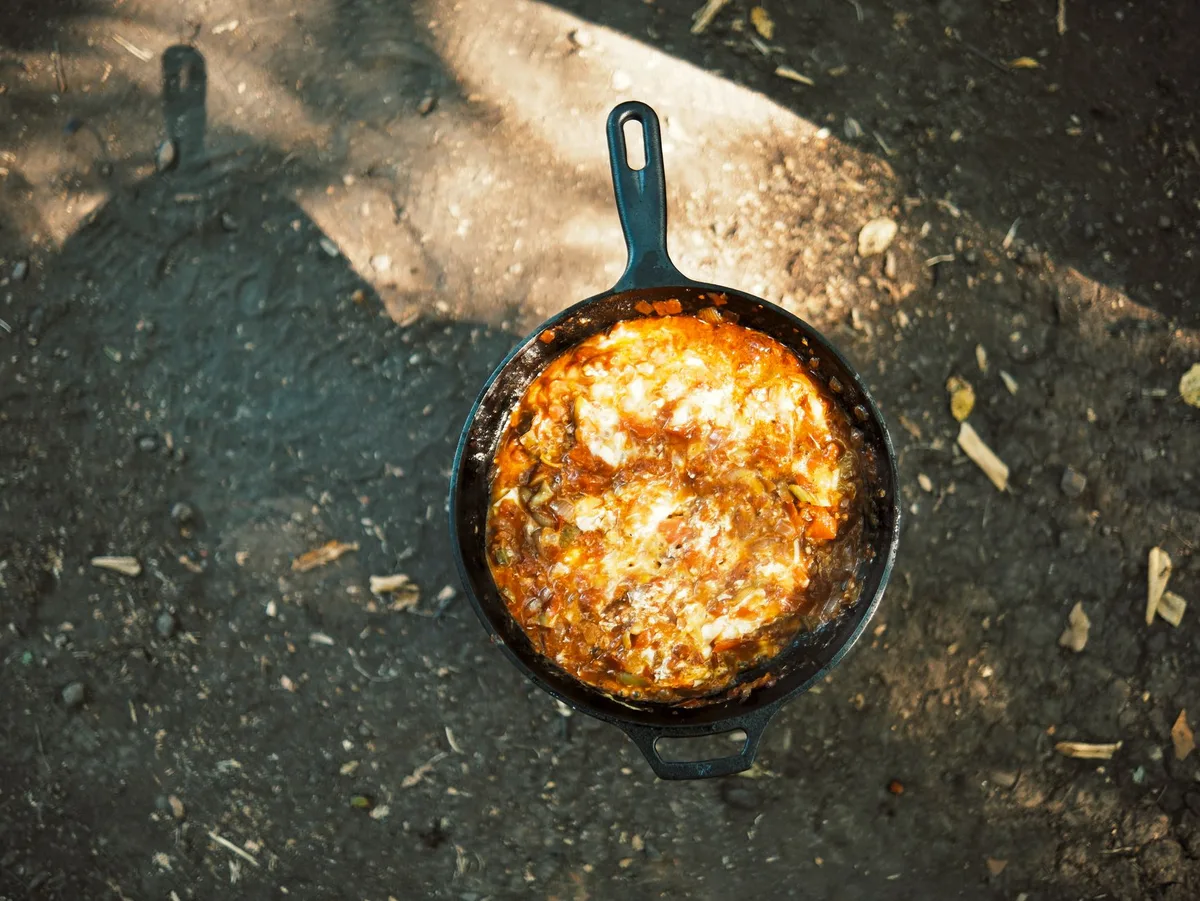
You pull your grandmother’s cast iron skillet out of the garage. Orange flakes stare back at you. Don’t panic.
That rust isn’t the end of the road.
I’ve restored dozens of rusty cast iron pieces. I’ve ruined a few too, through impatience, wrong techniques, and sheer ignorance. But I learned what actually works.
This guide is built on that experience, plus solid science and decades of home-kitchen wisdom.
Here’s the thing about cast iron: it’s nearly indestructible. The iron itself doesn’t rust away to nothing in your lifetime. What you’re seeing is surface oxidation.
And you can remove it completely without expensive tools or harsh chemicals.
Let me show you exactly how.
Why Cast Iron Rusts in the First Place
Cast iron is a carbon alloy. Iron + carbon + moisture + oxygen = rust. That’s the simple chemical equation.
The protective layer we call “seasoning” is polymerized oil that seals the metal from air and water. When that layer chips, cracks, or wears thin, bare iron gets exposed. One wet dish left in the sink, one overnight soak, or even humid air over time, and rust starts forming.
The good news is that rust only affects the surface until you let it go for years. Deep pitting takes serious neglect. Even then, the pan is usually salvageable.
Key takeaway: Rust isn’t a disease. It’s a chemical reaction that stops when you remove one of the three ingredients (moisture, oxygen, or iron). We’re going to remove the rust itself.
Assessing the Damage: Is It Salvageable?
Before you grab steel wool, inspect the pan.
- Light rust, orange dust or small patches. Easy fix. Fifteen minutes.
- Moderate rust, thick flakes, some pitting. Takes an hour or two.
- Severe rust, heavy flaking, deep pitting, possible holes. Still fixable 90% of the time. Might need electrolysis.
If you see cracks, big holes, or warping, that pan is a wall hanger. Cast iron can’t be welded back soundly for cooking. But surface rust?
That’s cosmetic.
Safety check: If the pan has been used with unknown substances or stored in conditions with rodent droppings, clean it thoroughly before rust removal. I recommend a vinegar pre-wash, more on that below.
Methods to Remove Rust from Cast Iron
I’ll rank these from easiest and fastest to most involved. Start with the first method and work down only if needed.
1. Scrubbing with Steel Wool or Scotch-Brite
For light surface rust, this is all you need.
What you’ll need:
- 00 or 000 steel wool (the fine grades)
- Coarse salt or baking soda
- A little dish soap
- Hot water
The process:
Sprinkle salt or baking soda onto the wet pan. Use the salt as an abrasive, it’s softer than steel but tough enough to lift rust. Scrub in circular motions with the steel wool.
You’ll see the water turn orange-brown. Rinse, check, repeat until the whole surface is uniform grey.
Don’t use steel wool on a seasoned pan. You’ll strip the seasoning. But on bare rust?
It’s perfect.
Pro tip: If the rust is stubborn, let a paste of baking soda and water sit on the pan for ten minutes before scrubbing.
2. Vinegar Soak
For moderate rust where scrubbing leaves orange streaks, a vinegar bath works wonders.
What you’ll need:
- White vinegar (5% acidity, standard grocery store kind)
- Water (50/50 ratio with vinegar)
- A large container or plastic bin
- Steel wool or a stiff brush
The process:
Submerge the pan completely in the vinegar-water mix. Let it soak for 30 minutes to 2 hours. Check every 30 minutes.
You want the rust to dissolve, not the iron.
Here’s the science: acetic acid in vinegar converts iron oxide (rust) into a soluble compound that washes away. It’s gentle enough not to damage the iron, but don’t leave it overnight, the acid can pit the surface.
After soaking, scrub with steel wool under running water. The rust should come off easily. Rinse thoroughly with water, then dry immediately with a towel.
Critical warning: Never use vinegar on cast iron that has seasoning you want to keep. The acid will strip it instantly.
3. Electrolysis Rust Removal Setup
This is the gold standard. It’s also the method conservators use on museum pieces. If you have severe rust, deep pitting, or a pan covered in layers of crud, electrolysis removes everything without scrubbing.
What you’ll need:
- A plastic bucket or tub (no metal)
- A battery charger (manual, not automatic, 2, 10 amps)
- A piece of rebar or scrap steel as a sacrificial anode
- Washing soda (sodium carbonate), NOT baking soda
- Distilled water
- Heavy-gauge copper wire
The process:
- Dissolve 1 tablespoon of washing soda per gallon of distilled water.
- Submerge the cast iron pan completely. It cannot touch the anode.
- Connect the positive lead (red) to the rebar. Connect the negative lead (black) to the pan itself.
- Plug in the charger. You’ll see bubbles rising from the pan within seconds.
- Let it run for 12, 24 hours. The rust will flake off or fall to the bottom.
- Remove the pan, scrub lightly with a brush, rinse, and dry immediately.
Safety: Do this in a well-ventilated area. The process produces hydrogen gas, not toxic but flammable. No sparks near the bucket.
Electrolysis doesn’t harm the iron. It actually converts rust back into iron on a microscopic level. The result is a clean, grey surface ready for seasoning.
4. Potato and Salt Method (Old-School Trick)
I’m including this because it’s fun and it works, on light to moderate rust.
What you’ll need:
- One raw potato
- Coarse salt
- A little dish soap
The process:
Cut the potato in half. Dip the cut face into salt. Rub the salt-coated potato onto the rusted surface.
The oxalic acid in the potato reacts with rust, and the salt acts as abrasive. Scrub in circles, re-dipping in salt as needed.
After a few minutes, rinse and check. Repeat until the rust is gone. Then wash with soap and water.
This method is gentler than steel wool. It’s great for pans with intricate designs or lettering you don’t want to abrade.
5. Commercial Rust Removers
You can buy chemical rust removers. Products like Evapo-Rust, CLR, or Naval Jelly work. But I rarely recommend them for cast iron.
Why:
- They often contain acids that can pit the iron if left too long.
- They leave residue that affects seasoning adhesion.
- They’re more expensive than vinegar or steel wool.
If you use one, follow the label exactly. Neutralize thoroughly with water afterward.
How to Restore and Reseason Your Cast Iron
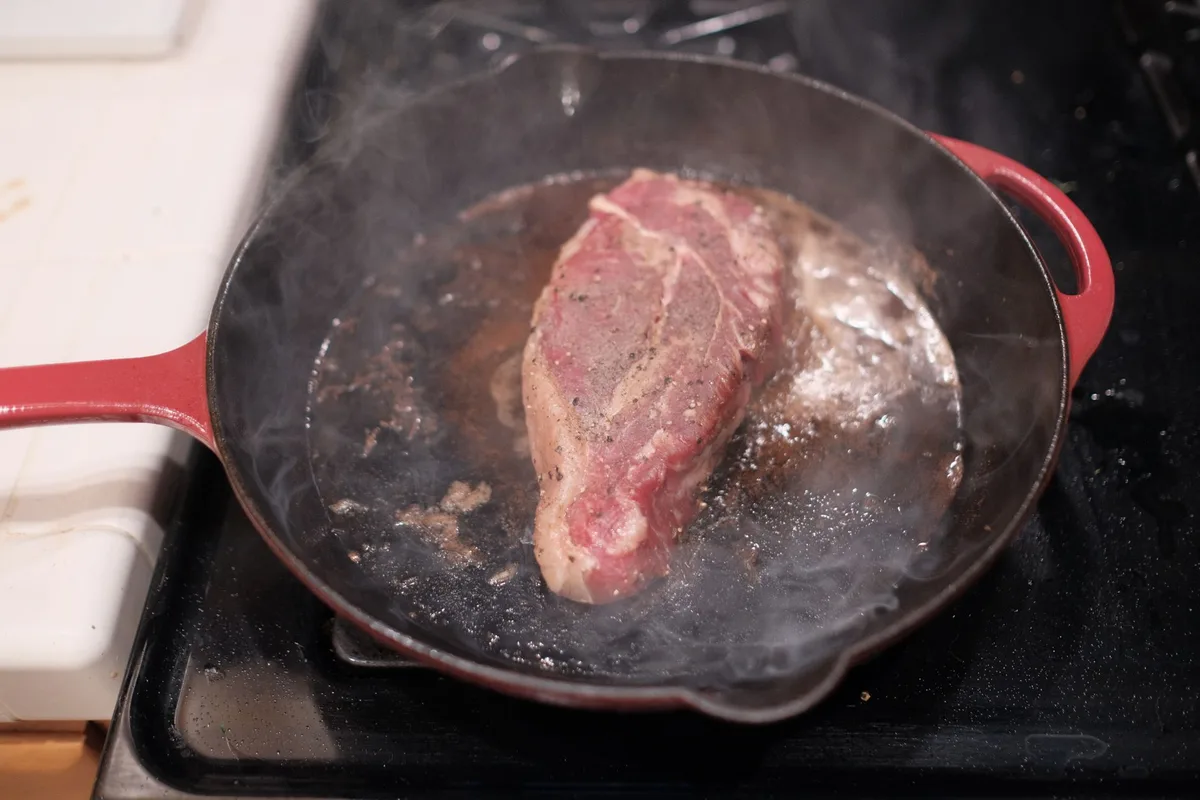
You’ve removed the rust. Now you have a bare iron pan that will rust within hours if you don’t season it immediately. Don’t walk away.
Don’t answer the phone. Season it right now.
Step 1: Dry Completely
After rust removal, rinse with water, then dry with a clean towel. Place the pan on a burner over medium heat for 2, 3 minutes to evaporate every drop. Iron is porous at microscopic scale, trapped moisture causes flash rust.
Step 2: Apply a Thin Layer of Oil
Use a high-smoke-point oil: flaxseed, grapeseed, canola, vegetable, or crisco. Not olive oil (low smoke point) and not butter (burns).
- Pour a teaspoon of oil into the pan.
- Wipe it all over, inside, outside, handle.
- Now wipe it again with a clean cloth. You want a microscopically thin layer. If you can see streaks, it’s too thick. Wipe more.
Step 3: Bake at High Heat
Place the oiled pan upside down in a preheated oven at 450, 500°F. Put a sheet of foil on the rack below to catch drips. Bake for one hour.
Turn off the oven and let the pan cool inside. That’s one round of seasoning.
Step 4: Repeat 3–4 Times
A single layer of seasoning is like one coat of paint. It works, but it’s fragile. Three to four coats create a hard, black, non-stick surface.
Between each coat, let the pan cool enough to handle, then reapply a skim coat of oil and bake again.
Pro tip: According to Lodge Cast Iron’s official care guide, you don’t need to overcomplicate seasoning. They recommend simple vegetable oil and consistent use. I’ve followed that advice for years and gotten glass-smooth surfaces.
Step 5: Cook Something Oily
The first thing you cook in a newly seasoned pan should be high-fat food. Fry bacon, deep fry chicken, or cook cornbread with plenty of butter. That initial meal helps build the seasoning layer.
Preventing Rust in the Future
Rust is a moisture problem. Solve that, and you never have to do this again.
| Do | Don’t |
|---|---|
| Dry the pan thoroughly after washing | Leave it wet in the sink |
| Wipe with a thin coat of oil after drying | Soap-soak for hours |
| Store in a dry place | Stack with other pans without a towel layer |
| Use immediately after washing | Put it away while still damp |
Quick maintenance: If you see a small rust spot, scrub it with steel wool, rinse, dry, oil. Do this right away. A five-minute fix now saves a two-hour restoration later.
Common Mistakes to Avoid
I’ve made every single one of these. Do as I say, not as I did.
- Soaking in vinegar too long. More than 2 hours starts etching the iron. It won’t ruin the pan, but you’ll have a rough surface that needs extra sanding.
- Using too much oil when seasoning. This is the number one mistake. Excess oil polymerizes into a sticky, gummy mess. Thin layers only.
- Not drying immediately after rinsing. Flash rust appears in minutes. Have a towel ready.
- Using abrasive pads on seasoning you want to keep. If you’re just removing rust from a spot, work only on the bare area.
- Skipping the seasoning step. A clean, bare iron pan rusts within hours. Don’t let it sit unseasoned.
Frequently Asked Questions
Can I use oven cleaner to remove rust?
It’s overkill. Oven cleaner (lye) dissolves seasoning, not rust. Use it if you want to strip an old seasoning layer, but it won’t touch rust.
Is it safe to cook in a pan that had rust?
Yes, once you remove all rust and re-season it. Iron oxide isn’t toxic in small amounts, but it tastes metallic and can flake into food. Best to remove it.
What about rust on the outside of the pan?
Same methods apply. The outside doesn’t need to be seasoned as heavily, but it still needs a protective oil layer to prevent future rust.
Can I use sandpaper or a power drill with a wire brush?
You can, but it’s aggressive. Use 80-grit sandpaper for deep pitting, but be aware that you’re removing iron along with rust. A wire brush on a drill can gouge the surface.
I recommend hand methods unless the pan is deeply pitted.
How often should I season my cast iron?
Every time you wash it, you can apply a thin wipe of oil and heat it for a minute on the stove. That’s not a full seasoning, just a moisture barrier. Full seasoning is needed only when you see the surface looking dry or rusty.
Final Thoughts
Rust on cast iron isn’t a crisis. It’s a chore. And now you know exactly how to handle it.
Start with the least aggressive method, steel wool and salt. That solves 80% of cases. If the rust is thicker, pull out the vinegar.
For the really stubborn stuff, electrolysis is your friend.
Once the rust is gone, dry, oil, and heat. Then cook something that makes you proud.
Your grandmother’s pan isn’t ruined. It’s just waiting for you to bring it back to life.