Image source: Pexels / Finalchoice (Pexels License)
You’ve seen it in every kitchen store. Dark gray pans with a matte finish, hefty weight, and a price tag that sits between bargain nonstick and premium stainless steel. It’s hard anodized cookware.
But what does that actually mean?
Is it just fancy aluminum? A type of coating? Something that will flake off after a year?
None of the above.
Hard anodized cookware starts as raw aluminum, then goes through an electrochemical process that transforms the surface. The result is a pan that’s harder than steel, won’t react with acidic foods, and heats more evenly than almost anything else in your cabinet. I’ve cooked on these pans for years, and they’re the workhorses I reach for first.
Let’s break down exactly what hard anodized cookware is, how it’s made, and whether you actually need it in your kitchen.
What Is Hard Anodized Cookware?
Hard anodized cookware is aluminum that’s been electrochemically treated to create a thick, dense aluminum oxide layer on its surface. That oxide layer is what gives the cookware its signature dark gray color, its scratch resistance, and its non-reactivity.
Aluminum itself is an incredible conductor of heat. That’s why professional chefs love aluminum pans, they heat up fast and evenly. But raw aluminum has two big problems:
- It’s soft. Bare aluminum dents, scratches, and warps easily.
- It reacts with food. Acidic ingredients like tomatoes, wine, or citrus can turn a funny metallic color and pick up an off flavor.
Hard anodizing solves both issues. The electrochemical process thickens the naturally occurring oxide layer from about 4 nanometers (on raw aluminum) to 25, 50 microns, that’s roughly 10,000 times thicker. This layer becomes part of the metal itself.
It’s not a coating that can peel off. It’s the surface of the pan, permanently transformed.
The result is cookware that:
- Conducts heat as well as raw aluminum
- Is harder than stainless steel (on the Mohs scale, anodized aluminum ranks around 8, 9; steel is about 5, 6)
- Won’t react with any food, no matter how acidic
- Resists scratches, corrosion, and wear
Most hard anodized pans also get a nonstick coating (like PTFE or ceramic) applied on top of the anodized surface. But the anodized layer itself is not the nonstick part. It’s the structural armor that makes the pan durable and non-reactive.
The “Hard” in Hard Anodized
Regular anodizing is common for decorative aluminum items, think iPhone cases or flashlight bodies. That process creates a thin, porous oxide layer that can be dyed. Hard anodizing uses a stronger acid bath, lower temperature, and higher voltage.
The result is a much thicker, denser, and harder layer. That’s why it’s called “hard” anodized.
How Hard Anodized Cookware Is Made
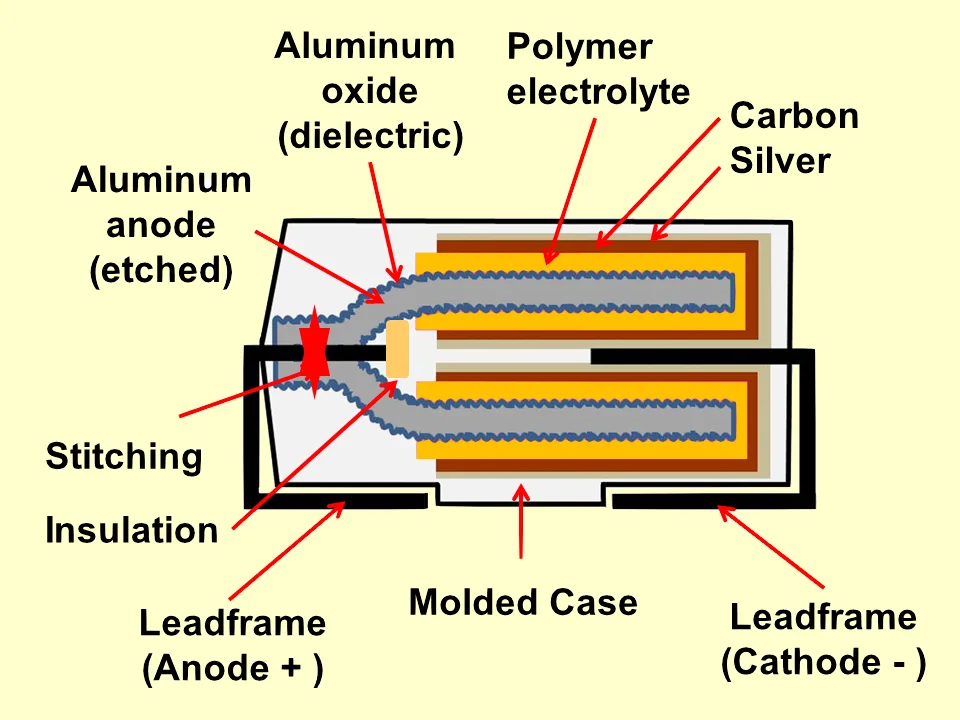
Image source: Wikimedia Commons / Elcap
The manufacturing process is precise and industrial. Here’s a simplified walkthrough of how your hard anodized pan gets made.
Step 1: Form the Raw Aluminum
Manufacturers start with high-purity aluminum (usually 3000-series alloy). The aluminum is cast, drawn, or forged into the shape of a pot or pan. Forging, where a heated aluminum disc is pounded into shape under tons of pressure, produces denser, stronger cookware than casting.
Top-tier brands like Calphalon and All-Clad use forged aluminum for their hard anodized lines.
Step 2: Clean and Prepare
The raw pan goes through an acid or alkaline bath to remove any oils, oxides, or debris. Surface must be perfectly clean. Any contamination will cause uneven anodizing.
Step 3: The Electrochemical Bath
The pan is submerged in a sulfuric acid solution, usually chilled to around 30, 40°F (, 1 to 4°C). A high-voltage current (typically 100, 150 volts) is passed through the bath. The aluminum pan acts as the anode (positive electrode), while lead or graphite plates serve as the cathode.
Oxygen ions from the acid combine with aluminum atoms on the pan’s surface, forming aluminum oxide (Al₂O₃). The reaction is exothermic, it generates heat, so the bath must stay cold to control the layer’s thickness and density.
Step 4: Grow the Oxide Layer
The voltage and time determine the final thickness. For hard anodized cookware, the layer grows to 25, 50 microns. That takes about 30, 60 minutes depending on the desired quality.
The process is self-limiting: as the oxide layer builds, it becomes an electrical insulator, slowing further growth. But with high enough voltage, the layer can still grow thicker than in standard anodizing.
Step 5: Seal the Surface
After anodizing, the oxide layer is porous. If left unsealed, it could absorb stains or harbor bacteria. Manufacturers seal the pores, typically by immersing the pan in hot deionized water or steam.
This hydrates the oxide layer, causing it to swell and close the pores. Some also apply a proprietary sealant.
Step 6: Apply Nonstick Coating (Optional)
Most hard anodized cookware sold today includes a nonstick layer. That coating (often PTFE-based, sometimes ceramic) is sprayed or rolled onto the anodized surface and then cured at high heat. The anodized base provides a perfect mechanical bond for the coating, making it more durable than nonstick on raw aluminum.
Major manufacturers like Calphalon (referenced on their official site) detail this multi-step process and emphasize that the anodized layer is fully integrated with the metal, it won’t chip, peel, or flake like a painted surface.
Benefits of Hard Anodized Cookware
Image source: Pexels / Bruno Makori (Pexels License)
Why would you choose hard anodized over stainless steel, cast iron, or plain nonstick? The benefits stack up fast.
1. Exceptional Heat Distribution
Aluminum is the best conductor of heat among common cookware materials, roughly four times better than iron and ten times better than stainless steel. Hard anodizing doesn’t change aluminum’s thermal conductivity; it only changes the surface. So you get the same even, responsive heating as raw aluminum.
No hot spots. No scorching in the center while the edges stay cold. That’s a huge advantage for delicate sauces, pancakes, or searing fish.
2. Durability That Outlasts Regular Nonstick
Many nonstick pans start to degrade after a year of regular use. The coating scratches, bubbles, or loses its slickness. Hard anodized pans with nonstick coating last significantly longer because the anodized base provides a stronger foundation.
The coating adheres better and is less likely to chip.
If you buy a nonstick pan with a raw aluminum base, you’re basically getting a disposable tool. A hard anodized nonstick pan can easily last 5, 10 years with proper care.
3. Non-Reactive Surface
This is critical for daily cooking. Hard anodized aluminum will never react with tomatoes, vinegar, wine, lemon juice, or any other acidic ingredient. The oxide layer is chemically inert.
You can simmer a tomato sauce for hours without worrying about metallic taste or discoloration.
Stainless steel is also non-reactive, but it’s a worse heat conductor. Cast iron is reactive (needs seasoning). Raw aluminum is highly reactive.
Hard anodized sits in the sweet spot.
4. Lightweight but Strong
Hard anodized pans are lighter than cast iron or thick stainless steel. You can easily toss vegetables or flip a crepe. Yet the anodized layer makes them harder than steel, they resist warping, denting, and scratching far better than raw aluminum.
5. Oven-Safe Versatility
Most hard anodized pans are oven-safe up to 400, 500°F (200, 260°C), depending on the handle material and any nonstick coating. That’s hot enough for finishing steaks, roasting vegetables, or baking frittatas. Always check the manufacturer’s specs, but generally you can move from stovetop to oven without issue.
6. Easy Cleanup
Even without nonstick coating, hard anodized surfaces are smooth and non-porous. Food doesn’t stick aggressively. With a nonstick layer on top, cleanup is as easy as wiping with a sponge.
You rarely need soap, hot water does the job.
Drawbacks of Hard Anodized Cookware
No material is perfect. Here’s what you need to know before you buy.
1. Not Induction-Compatible (Without a Base)
Aluminum is non-magnetic. Hard anodized aluminum is still aluminum. If you have an induction cooktop, the pan won’t work unless the manufacturer adds a ferromagnetic stainless steel disc to the bottom.
Many hard anodized brands do include this induction base, look for “induction compatible” on the box.
2. Dishwasher Not Recommended
Most manufacturers advise hand-washing hard anodized cookware. The caustic detergents and high heat of a dishwasher can dull the anodized finish over time. It won’t ruin the pan, but it will make it look chalky and worn.
Hand-washing with a soft sponge and mild soap is easy enough.
3. Cannot Use Metal Utensils
Even though the anodized layer is hard, the nonstick coating on top is not metal-safe. Using metal spatulas or whisking with a metal fork will scratch the nonstick layer. Stick to silicone, wood, or nylon utensils.
If you buy hard anodized without nonstick (rare, but some tri-ply sets exist), you can use metal, but that’s not the typical product.
4. Higher Cost Than Basic Nonstick
Hard anodized cookware costs more than cheap aluminum nonstick sets. A single hard anodized frying pan can range from $40 to $100. A full set might run $300, $600.
But given the lifespan, the cost per year is actually lower than replacing budget pans every 12 months.
5. Not as Durable as Cast Iron
Hard anodized is tough, but it’s not indestructible. Drop it on a tile floor and it can dent or crack. The anodized layer can be abraded by harsh scrubbing pads.
Cast iron will last centuries; hard anodized will last decades with care.
How Hard Anodized Compares to Other Cookware
Hard anodized often gets lumped in with “nonstick cookware,” but it’s really its own category. Here’s how it stacks up against the three main alternatives.
| Feature | Hard Anodized | Stainless Steel | Cast Iron | Raw Aluminum Nonstick |
|---|---|---|---|---|
| Heat conductivity | Excellent | Poor to fair | Fair | Excellent |
| Weight | Medium | Medium-Heavy | Heavy | Light |
| Nonstick surface | Available (optional) | No (needs oil) | Naturally nonstick when seasoned | Yes (PTFE/ceramic) |
| Reactivity | Non-reactive | Non-reactive | Reactive (needs seasoning) | Reactive (if coating wears) |
| Durability | Very high | High | Extremely high | Low to moderate |
| Oven safe | Yes (400-500°F) | Yes (500°F+) | Yes (any temp) | Varies (often 350-400°F) |
| Induction | Only with base | Yes | Yes | Only with base |
| Price (per pan) | $$–$$$ | $$–$$$ | $–$$ | $ |
Verdict: Hard anodized is the best all-around choice for most home cooks. It combines the heat performance of aluminum with the durability and non-reactivity of stainless steel, plus optional nonstick convenience. It doesn’t excel in every single category, but it doesn’t have a glaring weakness either.
If you’re a high-heat searing fanatic, cast iron or stainless steel might be better. If you need induction compatibility without a base, stainless or cast iron wins. But for everyday frying, sautéing, and simmering, hard anodized is tough to beat.
Care and Maintenance for Hard Anodized Cookware
Maximize the life of your pans with a few simple habits.
- Hand wash only. Use warm water, mild dish soap, and a soft sponge. Avoid steel wool, abrasive pads, or scouring powders.
- Avoid thermal shock. Don’t plunge a hot pan into cold water. Let it cool before washing.
- Use low to medium heat. Hard anodized heats so efficiently that you rarely need high heat. High heat can also degrade nonstick coatings over time.
- Use the right utensils. Silicone, wood, or heat-resistant nylon. No metal.
- Stack with care. Place a paper towel or pan protector between hard anodized pans to prevent scratching from the base of the pan above.
- Seasoning? Not needed. Unlike cast iron, hard anodized doesn’t require seasoning. Just wash and dry.
If your hard anodized pan has a nonstick coating that eventually wears out, the pan itself is still usable, you just lose the nonstick benefit. You can continue cooking on it, but food will stick more. Some manufacturers offer lifetime warranties on the anodized body but not on the coating.
Check your brand’s policy.
Is Hard Anodized Cookware Safe?
Yes, with one nuance.
The aluminum oxide layer is inert and stable. It does not leach into food. The FDA considers aluminum cookware safe, provided the surface isn’t abraded.
Hard anodized cookware is even safer than raw aluminum because the oxide layer prevents any aluminum from migrating into food.
The nonstick coating on most hard anodized pans is typically PTFE (Teflon). Modern PTFE coatings are safe up to 500°F. At very high temperatures (above 570°F), PTFE can break down and release fumes that are harmful to birds.
This is extremely unlikely in normal cooking. Just don’t leave an empty pan on high heat for a long time.
Some people prefer ceramic nonstick coatings to avoid PTFE entirely. Ceramic versions of hard anodized cookware are available, they use a sol-gel silica coating rather than PTFE. They’re less durable than PTFE but still safe.
You can read the FDA’s guidance on aluminum cookware for more details on food contact safety.
Who Should Buy Hard Anodized Cookware?
Hard anodized isn’t for everyone, but it fits a wide range of cooks.
Great for:
- Home cooks who want even heating without the weight of cast iron
- Anyone looking for a durable nonstick pan that lasts more than two years
- Cooks who make acidic sauces, tomato-based dishes, or citrus marinades regularly
- People with glass cooktops (the smooth base won’t scratch)
- Beginners who want one set that does almost everything
Skip it if:
- You have an induction cooktop and don’t want to check for compatibility
- You prefer the all-metal durability of stainless or raw cast iron
- You’re a minimalist who cooks everything in one or two pieces of carbon steel
- You need pots that can go into the dishwasher without worry
The Bottom Line
Hard anodized cookware is aluminum that’s been strengthened at the molecular level. It gives you the best of aluminum, fast, even heating, without the softness or reactivity. Add a nonstick coating, and you get a pan that’s all but effortless to clean.
I’ve used hard anodized pans from multiple brands over the years. They’re not the flashiest. They won’t win a beauty contest like a polished stainless steel set.
But when I need a pan that heats evenly, doesn’t stick, and won’t react with a batch of marinara, that dark gray skillet is the one I grab first.
If you’re investing in cookware that will serve you for a decade or more, hard anodized belongs on your short list. Match it with the right heat source and utensils, and you probably won’t look back.