You stand in the aisle of a kitchen store, staring at gleaming pots and pans. Stainless steel, cast iron, non-stick, ceramic. Every label screams “healthy!” But which one actually is?
I’ve spent years testing cookware and researching food safety standards. Let me save you the confusion.
The healthiest cookware doesn’t leach chemicals into your food. It doesn’t scratch off into your dinner. And it stands up to high heat without breaking down.
The answer? It depends on what you’re cooking, your budget, and your priorities. But one material wins hands down for safety and versatility.
Let’s dig in.
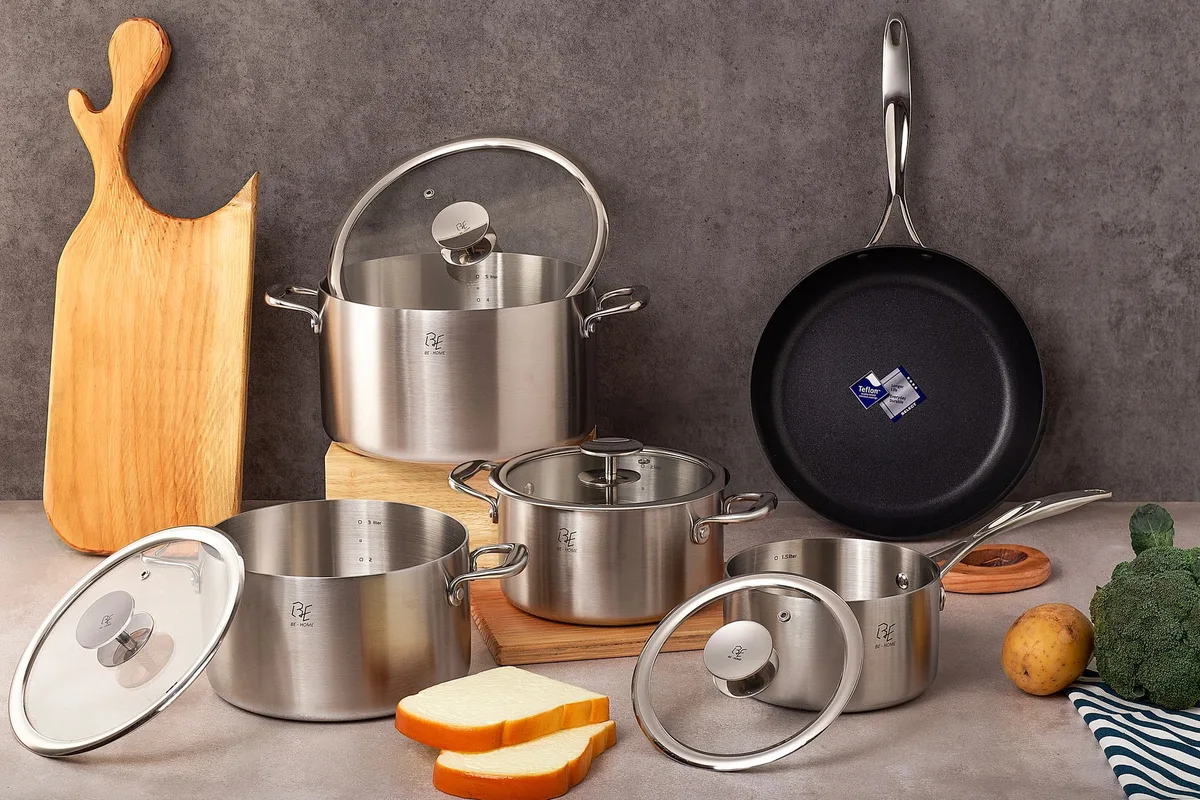
Image source: Pexels / Đậu Photograph (Pexels License)
The Hidden Dangers in Conventional Cookware
Before we talk about what’s healthy, we need to name the villains. Most cookware sold today contains materials that can migrate into your food. The worst offenders are non-stick coatings made with PFAS (per- and polyfluoroalkyl substances).
These “forever chemicals” don’t break down in the environment or your body. Studies link them to thyroid issues, immune problems, and even cancer.
Then there’s aluminum. Uncoated aluminum reacts with acidic foods like tomatoes and citrus. Small amounts of aluminum can leach into your meal.
While the FDA generally considers aluminum safe, high levels have been linked to neurological concerns. Not something I want to gamble with.
Copper cookware looks stunning. But unlined copper can leach copper ions into food at levels that cause nausea and toxicity over time. Unless the pan has a stainless steel or tin lining, skip it.
And don’t forget ceramic coatings. Sounds safe, right? But some ceramic coatings on metal cookware contain lead or cadmium in the glaze.
Cheap imports are especially risky. The U.S. FDA regulates food contact materials, but enforcement is imperfect.
The takeaway? “Healthy” doesn’t mean whatever’s trendy. It means inert, a material that minds its own business and doesn’t end up in your scrambled eggs.
What Makes Cookware “Healthy”?
Four criteria. That’s it. When I test a pan, I check:
- Chemical inertness, Does it react with food? If yes, it’s out.
- Heat stability, Does it release toxins when heated to normal cooking temperatures?
- Durability, Will it chip, scratch, or degrade over time?
- Cleanability, Can you clean it without harsh chemicals or worrying about damaging the surface?
The healthiest cookware scores high on all four. Bonus points if it’s also heavy-bottomed for even heating and compatible with all stovetops including induction. That’s a practical win, not just a theoretical one.
The Healthiest Cookware Materials Ranked
I’ve tested hundreds of pans. Here’s my honest ranking from safest to least safe, with nuance.
Stainless Steel Cookware
This is my gold standard. High-quality stainless steel, particularly 18/10 (18% chromium, 10% nickel) or 316 surgical-grade, is nearly inert. It won’t react with acidic foods.
It won’t leach into your pasta sauce. It’s oven-safe up to 500°F or higher. And it’s built to last decades.
I’ve had the same all-clad stainless set for twelve years. Still looks brand new.
The minor caveat: if you have a nickel allergy, trace amounts of nickel can leach from 304 stainless. But for most people, that’s a non-issue. Use 316 stainless (also called marine grade) if you’re ultra-sensitive.
Or just season it well with oil to create a temporary barrier.
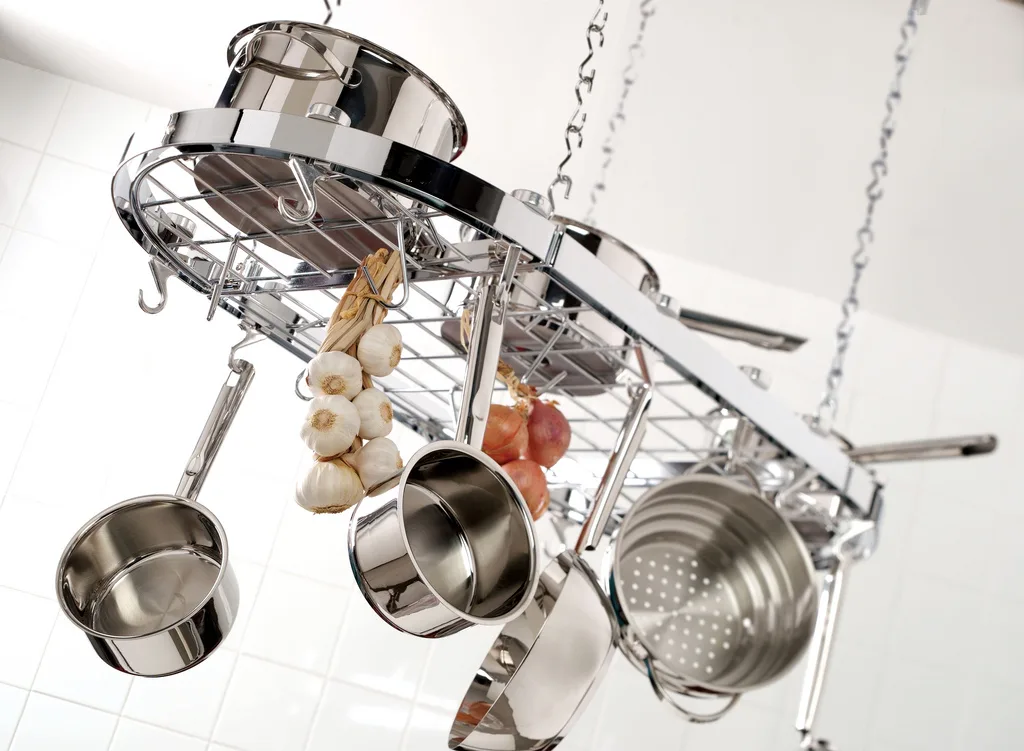
Image source: Wikimedia Commons / Cooks & Kitchens from Darlington, UK (CC BY)
Stainless steel does have a learning curve. Food sticks if you don’t use enough fat or proper heat. But that’s a technique issue, not a health issue.
Use the water bead test, flick water on the hot pan; if it beads and dances, it’s ready for oil. Once you learn that trick, stainless becomes a joy.
Verdict: The healthiest all-around option. Get a tri-ply or multi-ply bottom for even heating.
Cast Iron Cookware
Cast iron is the original non-stick. When properly seasoned, it’s naturally non-stick without any synthetic coating. Seasoning is just a layer of polymerized oil, completely safe.
Plus, cooking with cast iron can add dietary iron to your food. For people with anemia, that’s a benefit. For those with hemochromatosis (iron overload), it’s a risk.
I’ve found that cast iron excels at searing meats and baking cornbread. It holds heat like nothing else. The downsides?
It’s heavy. It rusts if you leave it wet. And you can’t cook acidic dishes for long periods (the iron can leach and make the food taste metallic, plus it damages the seasoning).
But from a safety standpoint, iron is essential and generally non-toxic. The University of Minnesota Extension even notes that cast iron is one of the safest cookware materials when it comes to chemical leaching. Just don’t use it as a daily tomato sauce pot.
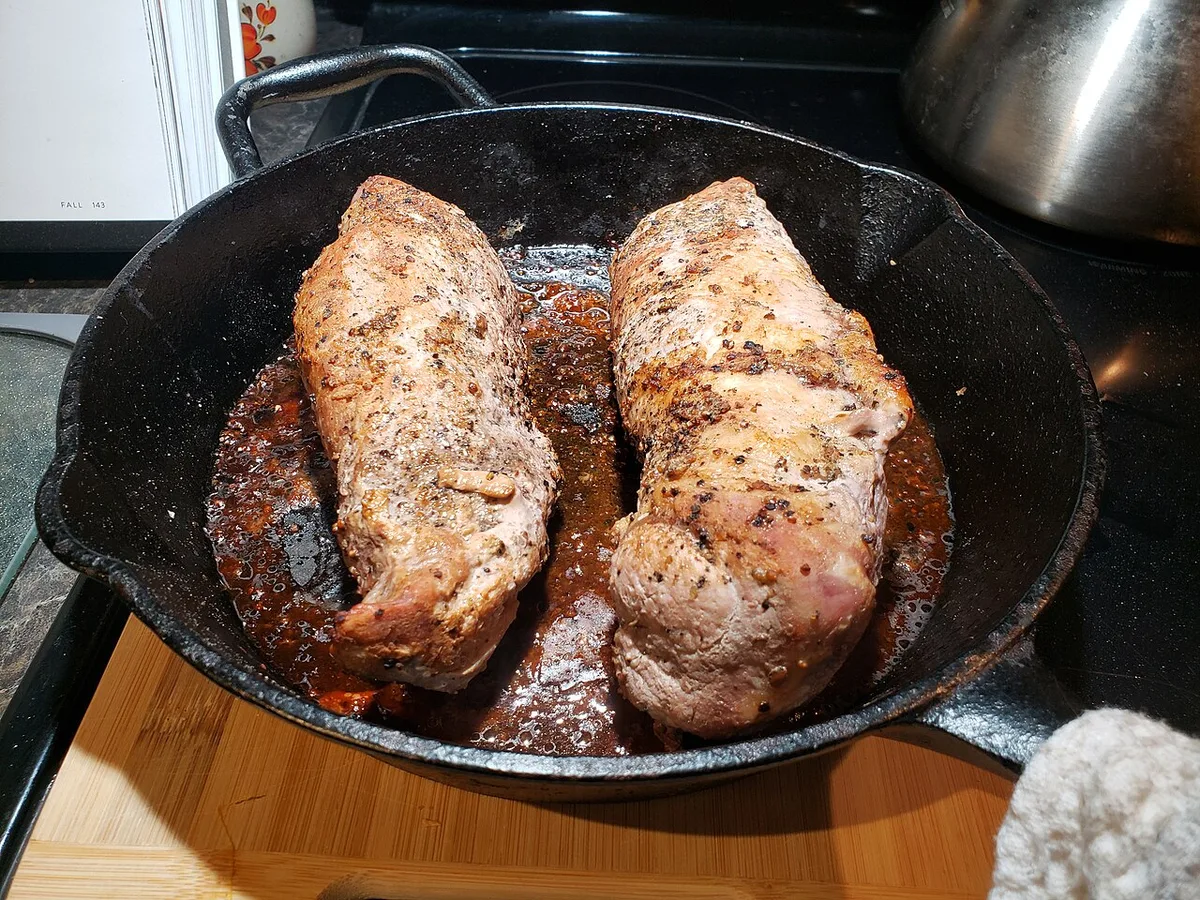
Image source: Wikimedia Commons / Taylorderek (CC BY)
Verdict: Excellent for high-heat cooking and those who want a bonus iron boost. Heavy but safe.
Carbon Steel Cookware
Think of carbon steel as cast iron’s lighter cousin. It’s made from iron and carbon (no nickel, no chromium). You season it the same way.
It’s used by professional chefs in woks and fry pans because it heats up fast and develops that coveted non-stick patina.
Health-wise, it’s identical to cast iron, inert once seasoned, will rust if mistreated. It can leach small amounts of iron, again beneficial for most people. It’s also thinner and lighter, so it’s easier to toss vegetables or flip a crepe.
I prefer carbon steel for stir-fries and any dish that requires quick temperature changes. It’s not as stable for long simmering. But as a healthy option, it’s right up there with cast iron.
Verdict: Great for stir-fry fans. Safe and versatile once seasoned.
Ceramic Cookware (True 100% Ceramic)
Here’s where it gets tricky. “Ceramic” cookware is often just metal pans with a ceramic-based non-stick coating. Those coatings can wear off or chip.
The particles themselves are usually silicon dioxide (sand) and water, safe. But what about the binder or coloring agents? Some use heavy metals.
If you buy pure ceramic cookware, pots made entirely from fired clay or vitreous glass, that’s extremely safe. Think Xtrema or Emile Henry. No metal core.
No coating. But they’re fragile, heavy, and can’t handle high heat on stovetops. They’re better for slow cooking and baking.
What about ceramic-coated metal pans? Those can be safe if the coating is truly free of lead, cadmium, and PFAS. Look for brands that publish third-party testing results.
But over time, the coating will scratch and lose its non-stick properties. Once it’s damaged, you’re cooking on metal with spots of missing coating. Not ideal.
Verdict: Pure ceramic is very safe but delicate. Coated ceramic is a compromise, fine if you replace it when scratched.
Glass Cookware
Borosilicate glass (like Pyrex or Anchor Hocking) is one of the safest cookware materials on the planet. It’s completely inert, doesn’t react with anything. It won’t leach.
It’s non-porous. You can see your food while it cooks. It’s perfect for baking, microwaving, and food storage.
But glass has major limitations. You can’t use it on a stovetop (unless it’s specifically rated for that). It’s prone to thermal shock, dropping a cold glass dish onto a hot burner can shatter it.
And it’s heavy.
For oven use and meal prep storage, glass is unbeatable. For everyday stovetop cooking? Not practical.
Verdict: Top health score, but limited applications.
What to Avoid
Let me be blunt. Please avoid:
- Traditional non-stick (Teflon-style), Even if labeled “PFOA-free,” newer substitutes like GenX are still under investigation. The coatings degrade above 500°F and release toxic fumes. Not worth the convenience.
- Unlined aluminum, Aluminum can be absorbed by the body. Anodized aluminum is better (the surface is hardened and inert), but cheap uncoated aluminum pans are a no-go.
- Unlined copper, Copper toxicity is real. Only buy lined copper, and only if the lining is intact.
- Cheap imported stoneware, Some glazes contain lead. Stick to reputable brands that test their clay.
What About Non-Stick? Can I Have Convenience Without Risk?
Yes, but choose wisely. Ceramic non-stick coatings (the ones made from sol-gel technology) don’t contain PFAS. They’re usually marketed as “green” or “non-toxic non-stick.” They work great for eggs and delicate fish.
But here’s the catch: ceramic non-stick wears out faster than Teflon. Six months to a year of regular use, and you’ll see scratches. Once scratched, you’re cooking on a hybrid surface.
Not dangerous like PTFE, but not ideal either.
If you must have non-stick, go for a quality ceramic-coated pan from a trusted brand. Replace it as soon as the coating shows wear. Or better yet, learn to cook eggs in well-seasoned cast iron or carbon steel.
It takes practice, but the payoff in safety and durability is massive.
How to Choose the Right Healthy Cookware for Your Needs
Your choice depends on three things:
- Cooking style, Do you sear steak? Use cast iron or stainless. Do you make delicate sauces? Stainless. Do you fry eggs daily? Carbon steel or cast iron. Do you bake? Glass.
- Budget, A good stainless steel set costs $200, $600 but lasts 20+ years. Cast iron is cheap, $30 for a Lodge skillet that will outlive you. Pure ceramic is pricey.
- Health concerns, Iron overload means avoiding cast iron and carbon steel. Nickel allergy means avoiding 304 stainless (pick 316 or glass). Heavy metals in glazes, buy from reputable manufacturers.
My personal recommendation for most households: one stainless steel skillet (10-12 inch) and one cast iron skillet (10-12 inch). That combo covers 90% of cooking tasks. Add a glass baking dish and a stainless steel saucepan.
Done.
Expert Tips for Maintaining Healthy Cookware
Even the healthiest cookware becomes unhealthy if it’s damaged or maintained poorly. Here’s how I keep mine in top shape:
- Stainless steel: Clean with a paste of baking soda and water for stubborn stains. Avoid steel wool, it scratches the surface but does no harm. Use Bar Keepers Friend for a bright finish. Never soak acidic foods for hours.
- Cast iron: Wash with mild soap (yes, modern dish soap is fine, it won’t ruin seasoning). Dry immediately on the stovetop. Rub with a thin coat of oil after each use. If rust appears, scrub it off and re-season.
- Carbon steel: Same as cast iron but lighter care. You can fry in carbon steel immediately after a light oiling.
- Ceramic: Hand wash only. Avoid abrasive sponges. Never use cooking spray (it gums up and burns). Replace when coating is visibly scratched.
- Glass: Let it cool before washing to prevent thermal shock. Use nylon scrubbers. No sudden temperature changes.
And here’s a tip most people ignore: replace any pan that shows signs of damage. A chipped ceramic coating, a warped stainless base, a cracked glass dish, those are safety hazards. Don’t keep them.
Final Thoughts
The healthiest cookware isn’t a single pan. It’s a collection of safe, inert materials that match your cooking habits. Stainless steel is the safest overall for all-purpose use.
Cast iron and carbon steel add versatility for high-heat cooking. Glass handles baking and storage. Pure ceramic works for slow cooking and oven dishes.
Avoid non-stick that contains PFAS, unlined metals, and cheap imports.
Your cookware touches every meal you eat. Investing in healthy materials is one of the best things you can do for your long-term health. You’ll cook better.
You’ll eat safer. And you won’t have to replace your pans every year. That’s a win in my book.
So next time you reach for a pan, think about what’s actually in it, and what might end up in your food. Your body will thank you.