You just bought a shiny new ceramic pan. You’re excited. You’ve heard it’s non-toxic, non-stick, and looks beautiful in your kitchen.
But now you’re staring at it and wondering: What do I actually do with this thing?
I’ve been there. And I’ve made the mistakes so you don’t have to. Let me walk you through exactly how to use ceramic cookware, from the first use to everyday cooking, cleaning, and making it last for years.
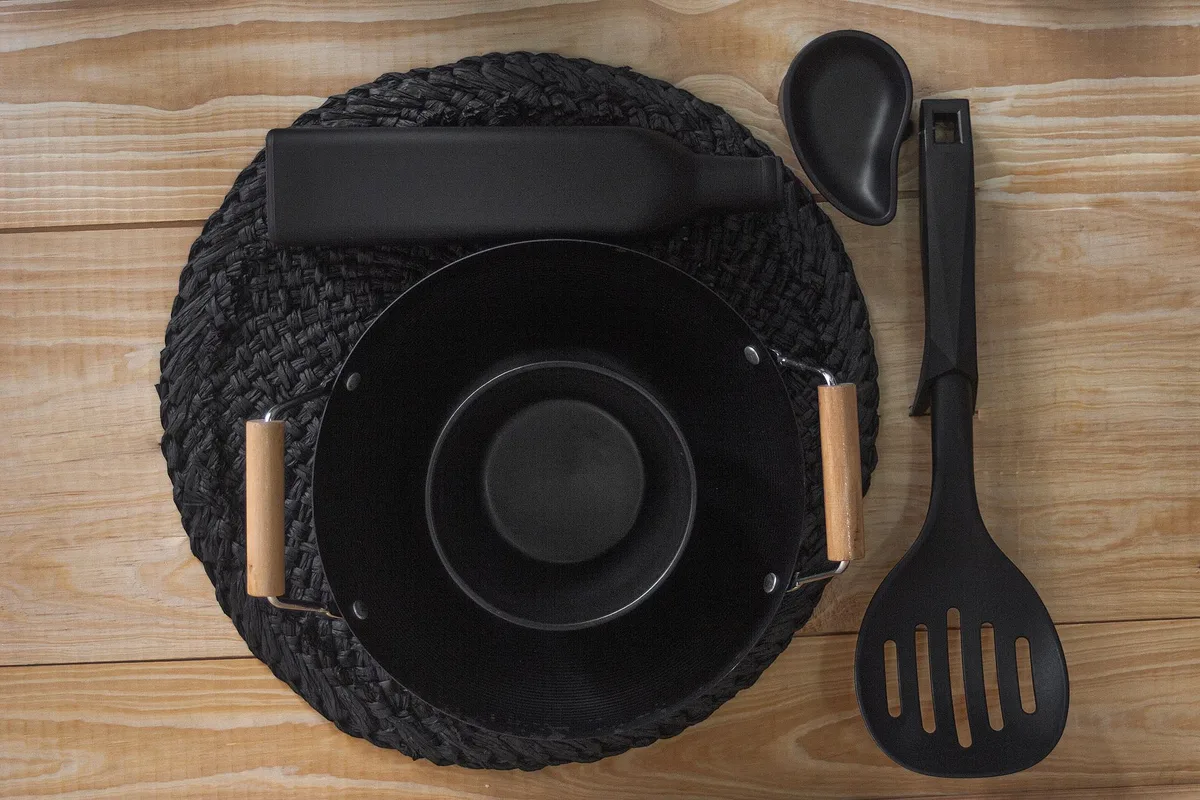
Image source: Pexels / DRAKE NICOLLS (Pexels License)
What Is Ceramic Cookware Made Of?
Before we get into the how-to, it helps to know what you’re working with. Ceramic cookware isn’t actually made of solid ceramic like a coffee mug. The base is usually aluminum or stainless steel.
The ceramic part is a sol-gel coating, a silica-based layer that’s baked onto the metal at high temperatures.
This coating gives you that slick, non-stick surface without the synthetic chemicals like PTFE (Teflon) or PFOA. That’s why ceramic is often called “green” non-stick. It’s dishwasher safe, oven safe to moderate temperatures, and doesn’t release toxic fumes if overheated.
But here’s the catch: ceramic coating is more delicate than traditional non-stick. You have to treat it with care. That’s what this guide is for.
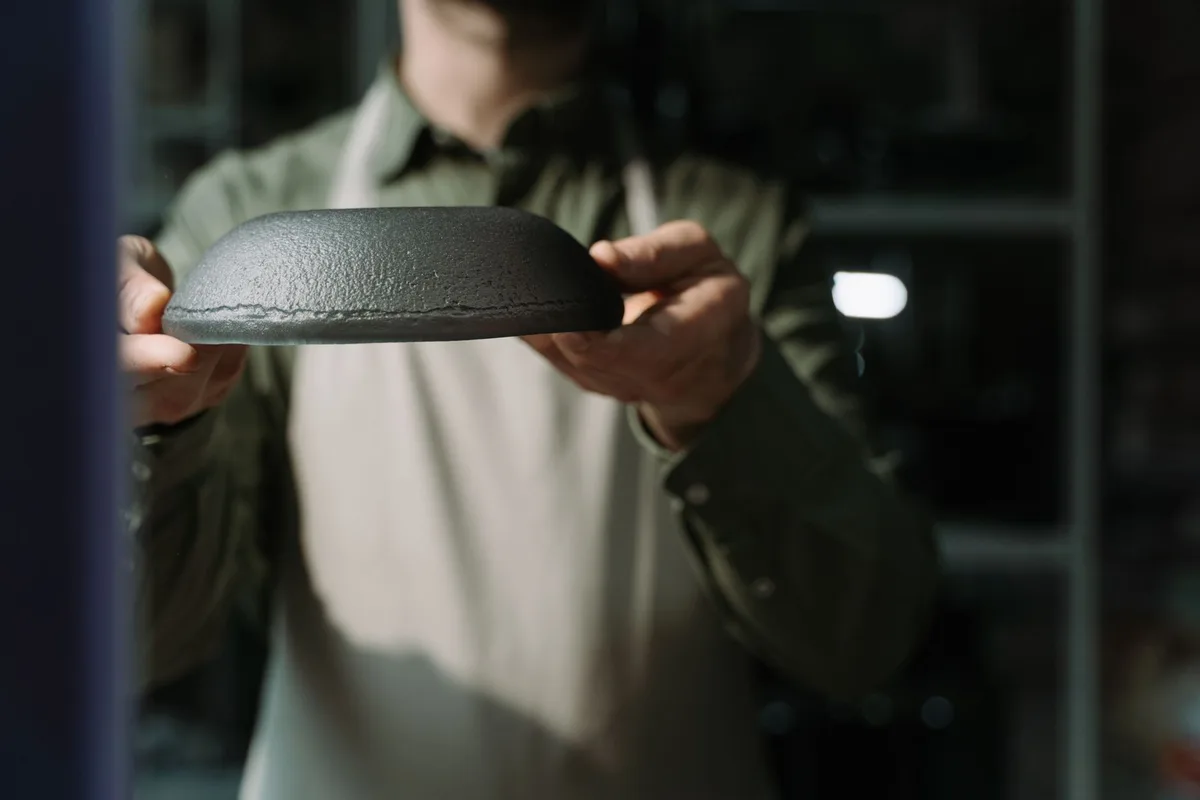
Image source: Pexels / cottonbro studio (Pexels License)
How to Use Ceramic Cookware for the First Time
1. Wash Before First Use
Don’t skip this step. Even though the pan looks clean, manufacturing residue can remain. Wash it with warm soapy water and a soft sponge.
Rinse thoroughly. Dry it completely with a towel.
2. Season the Pan (Yes, Really)
Most ceramic pans don’t require seasoning like cast iron, but a light oiling before first use helps. Here’s what I do:
- Heat the pan on low for 30 seconds.
- Add a teaspoon of high-smoke-point oil (avocado or grapeseed works great).
- Spread it around with a paper towel.
- Let it cool, then wipe off the excess.
This fills any microscopic pores in the coating. It creates a better non-stick surface and extends the life of the pan.
3. Avoid Thermal Shock
Ceramic coatings hate sudden temperature changes. Never put a hot pan under cold water. Never go from stovetop to freezer.
The thermal shock can cause the coating to crack or peel. Let the pan cool down naturally before washing.
Cooking Techniques for Ceramic Pans
Use Low to Medium Heat
This is the single most important rule. Ceramic cookware conducts heat beautifully. You don’t need high heat.
Medium is usually the highest you’ll ever need. High heat can damage the coating and cause food to stick.
Pro tip: Preheat your pan on low for 2, 3 minutes. Then add oil or food. The pan will be hot enough to sear eggs or chicken without burning.
Add Oil or Butter
Ceramic is non-stick, but it’s not magic. You still need a little fat. A thin layer of oil or butter ensures food releases easily.
For delicate foods like fish or eggs, use a bit more.
Use the Right Utensils
Metal utensils are the enemy of ceramic cookware. They scratch the coating. Use wooden, silicone, or nylon utensils.
I keep a set of bamboo spatulas just for my ceramic pans.
What to Cook in Ceramic Pans
Ceramic is fantastic for:
- Eggs, scrambled, fried, or omelets
- Fish, delicate fillets that flake easily
- Vegetables, sautéed without sticking
- Sauces, no scorching, easy cleanup
- Pancakes, golden brown, no sticking
- Rice, gentle simmering, even heat
Avoid cooking at very high temperatures, like searing steaks at “volcano” heat. For that, use a stainless steel or cast iron pan.
Cleaning and Maintenance
Let It Cool First
I know you want to clean right away. But patience pays off. Let the pan cool on the stove or a trivet.
Then wash with warm water and a soft sponge.
Use Mild Detergent
Harsh chemicals or abrasive cleaners can degrade the ceramic coating. Stick to dish soap and a non-scratch sponge. For stubborn residue, soak the pan in warm soapy water for 15 minutes.
Then wipe clean.
Avoid Dishwasher Detergent Overuse
Most ceramic pans are labelled dishwasher safe. But the high heat and harsh detergents in dishwashers slowly wear down the coating. I recommend hand washing.
It takes two minutes and your pan will last twice as long.
Remove Stubborn Stains Naturally
If food is stuck, don’t use steel wool. Make a paste of baking soda and water. Apply it to the stain.
Let it sit for 10 minutes. Gently scrub with a soft sponge. Rinse thoroughly.
Stains dissolve without scratching.
Dry Immediately
Metal can rust if you leave it wet. Even though the ceramic coating is non-reactive, the base metal underneath can rust if the coating has micro-scratches. Dry your pan with a towel right after washing.
Common Mistakes to Avoid
I’ve made these mistakes myself. Learn from them.
1. Overheating the Pan
Ceramic can handle up to about 450°F (230°C) in most cases. Beyond that, the coating can discolour or break down. Keep the burner on medium or low.
If you see smoke, you’re too hot.
2. Using Cooking Spray
Cooking spray contains lecithin and propellants. These can build up on the ceramic surface and create a sticky residue that’s hard to remove. Use liquid oil or butter instead.
3. Stacking Pans Without Protection
Stacking ceramic pans directly on top of each other can scratch the coating. Place a paper towel or felt pad between each pan. Or store them with a cloth liner.
4. Cutting Food in the Pan
Never use a knife or scissors inside the pan. The blade will scratch the coating. Always transfer food to a cutting board.
5. Ignoring the Warranty
Many ceramic cookware brands offer a warranty. Keep your receipt and register the product. If the coating starts peeling within the warranty period, you can get a replacement.
Ceramic vs. Stainless Steel
Let’s put ceramic next to stainless steel, the two most common cookware materials.
Image source: Pexels / Cup of Couple (Pexels License)
| Feature | Ceramic | Stainless Steel |
|---|---|---|
| Non-stick | Yes | No (needs oil or technique) |
| Heat tolerance | Moderate (450°F) | High (500°F+) |
| Durability | Coating can scratch | Very durable |
| Weight | Light to medium | Medium to heavy |
| Cleaning | Easy | Can be harder (food sticks) |
| Price | Budget to mid-range | Varies widely |
When to choose ceramic: You want easy cleanup, non-toxic surface, and don’t sear at extreme heats. Great for eggs, fish, sauces, and everyday cooking.
When to choose stainless steel: You need high heat for searing, deglazing, or browning. Stainless steel lasts forever if you take care of it. It’s also ideal for acidic foods like tomato sauce.
Ceramic vs. Traditional Nonstick (PTFE)
Traditional nonstick (Teflon) is still popular. But ceramic has some advantages.
- Safety: Ceramic contains no PTFE or PFOA. If you overheat a Teflon pan past 500°F, it can release toxic fumes. Ceramic does not.
- Durability: Teflon generally lasts longer than ceramic. Coating failure is the main weakness of ceramic. But Teflon also scratches easily.
- Heat limits: Teflon is even more sensitive to high heat. Ceramic handles slightly higher temperatures before degrading.
Bottom line: If you want peace of mind and don’t mind replacing pans every couple of years, ceramic is a great choice. If you want maximum longevity and don’t mind the chemical risks, Teflon still works.
How to Extend the Life of Ceramic Cookware
A quality ceramic pan should last 1, 3 years with regular use. Some last longer if you’re careful. Here’s how to push it to the max.
1. Always Use Low to Medium Heat
I keep repeating this because it’s that important. High heat is the number one killer of ceramic coatings.
2. Hand Wash Every Time
Yes, even if the box says dishwasher safe. The dishwasher’s high heat and detergent will slowly etch the coating. Hand washing takes 30 seconds and adds years to the pan.
3. Store With Care
Use pan protectors or cloth between stacked pans. Hang them if you have space. Avoid banging them against other pots.
4. Don’t Cook on High for Long Periods
If you need to sear something for a recipe, use a different pan. Ceramic is for gentle cooking. It’s perfect for eggs, but not for a ribeye steak crust.
5. Replace When the Coating Shows Wear
When the non-stick performance fades, food starts sticking, or you see chips or scratches, it’s time to retire the pan. Don’t keep using a damaged ceramic coating, it can flake into your food.
FAQs About Using Ceramic Cookware
Can I use metal utensils on ceramic cookware?
I strongly advise against it. Metal scratches the coating. Use silicone, wood, or nylon.
Is ceramic cookware oven safe?
Most ceramic pans are oven safe up to 350, 450°F. Check the manufacturer’s instructions. Always remove plastic handles or lids before putting the pan in the oven.
Why does my food stick to ceramic cookware?
Several reasons: you’re using too high heat, you didn’t preheat properly, or the coating is worn out. Also, some foods are naturally sticky (like eggs with sugar). Add a little more oil.
Can I use ceramic cookware on an induction cooktop?
It depends on the base. If the pan is made with a magnetic stainless steel or aluminum base, it works. Check the product description.
Many ceramic pans are induction-compatible.
Is ceramic cookware toxic?
No. Ceramic coatings are made from silica (sand) and are chemically inert. They don’t leach harmful chemicals into food.
The FDA regulates ceramic cookware as safe for food contact. For more details, you can refer to the FDA’s guidance on ceramic cookware. However, be cautious about cheap imported ceramic that may contain lead, always buy from reputable brands.
How do I know when to replace ceramic cookware?
When the non-stick surface is gone, food sticks, or you see chips, scratches, or peeling. A good rule of thumb: if you have to use extra oil just to get food to release, it’s time for a new pan.
Conclusion
Ceramic cookware is a fantastic option for everyday cooking. It’s safe, non-stick, and easy to clean. But it’s not indestructible.
Treat it with low heat, gentle cleaning, and the right tools, and it will reward you with years of hassle-free meals.
Remember the golden rules:
- Low to medium heat always
- Hand wash and dry immediately
- Use silicone or wood utensils
- Never thermal shock it
- Replace when the coating wears out
I’ve been using ceramic pans for years, and I still love them for eggs, sauces, and quick weeknight dinners. Follow these tips, and you’ll get the most out of your cookware. Now go make something delicious, and don’t crank the heat past medium.