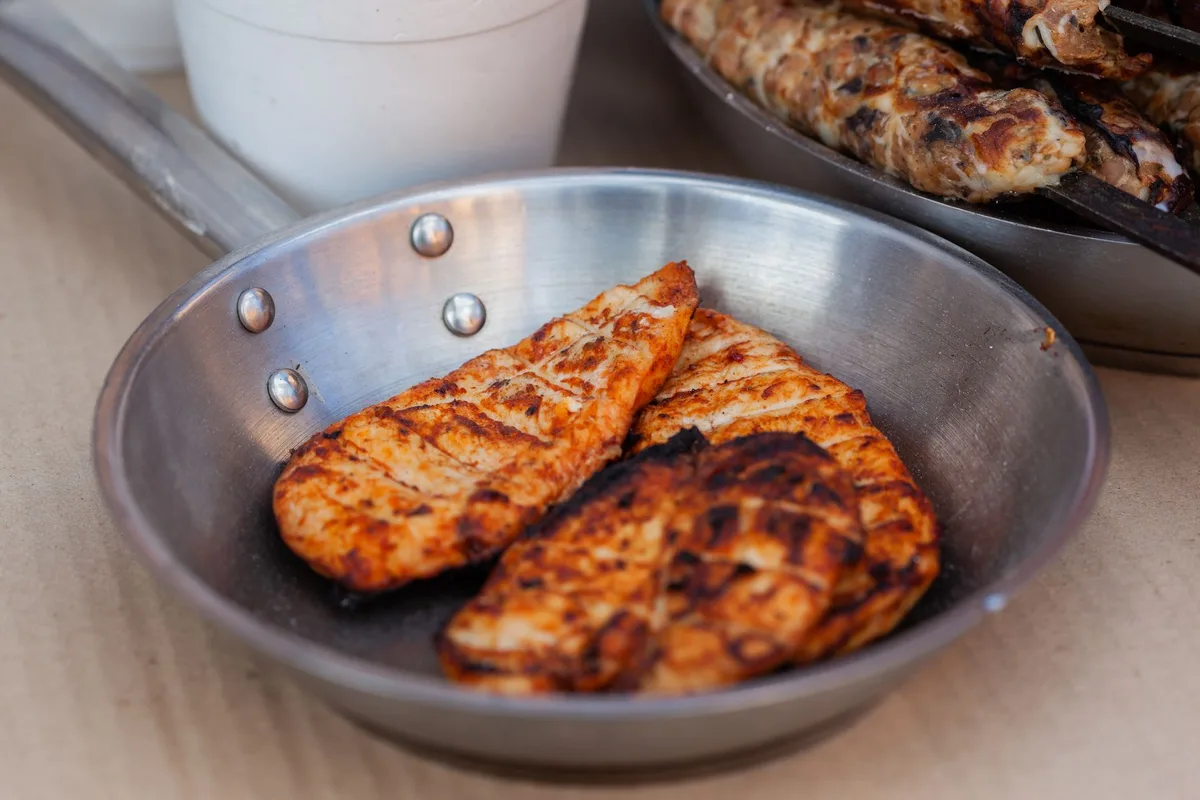
Cooking chicken in a frying pan is one of the quickest ways to get a golden crust and juicy interior. You don’t need a grill, an oven, or a lot of gear. A heavy pan, a little oil, and a reliable thermometer are enough.
Below is a step‑by‑step guide that covers everything from pan choice to final rest.
Choosing the Right Pan and Oil
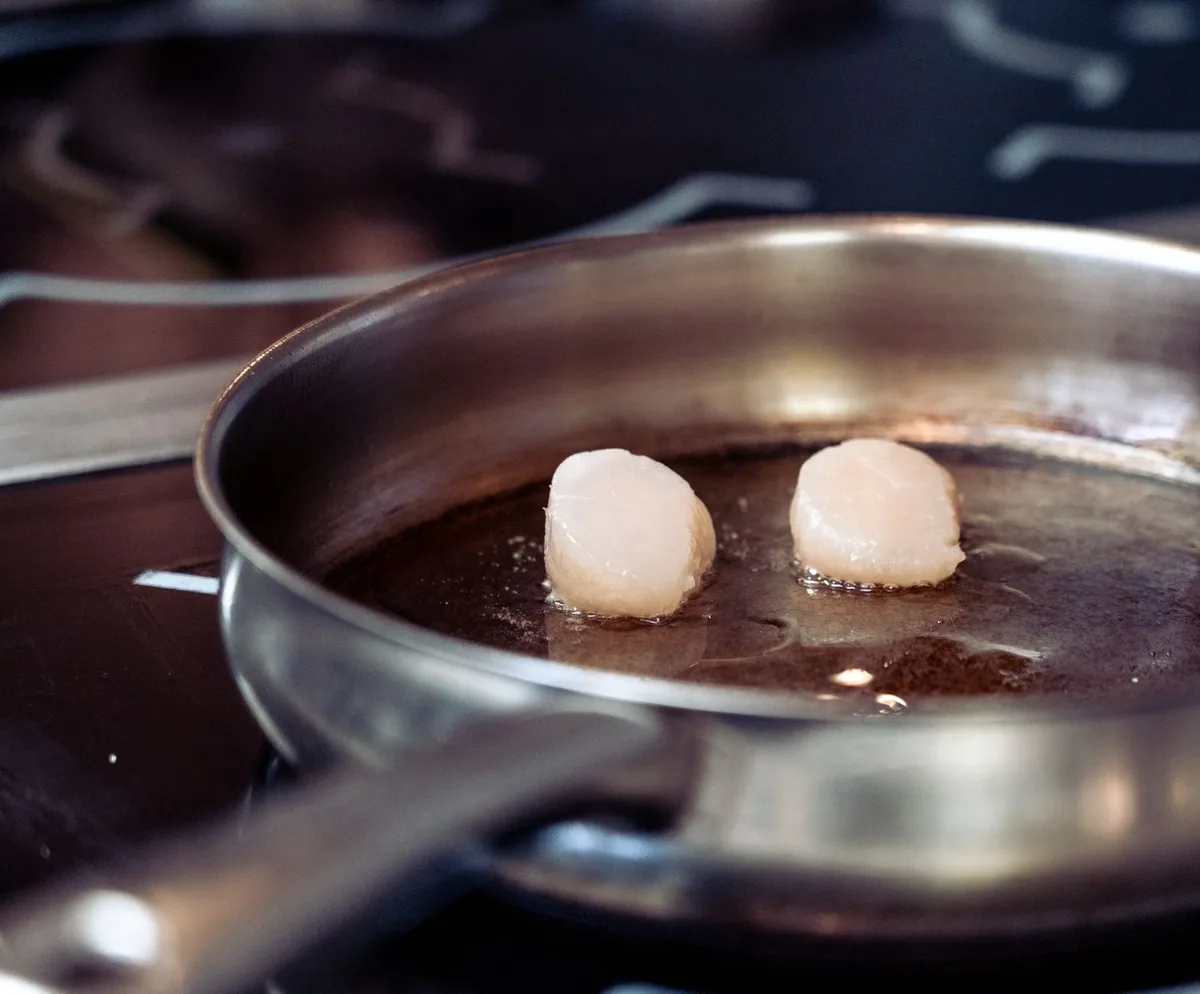
A thick‑bottomed skillet distributes heat evenly. Cast iron works great, but a stainless‑steel pan with an aluminum core gives you the same control without the weight. Avoid thin non‑stick pans; they warp and can’t hold the high heat needed for a proper sear.
Pick an oil with a high smoke point. Canola, grapeseed, or avocado oil all handle 400 °F (204 °C) without burning. Olive oil works for lower‑heat finishes, but it will smoke before the chicken hits the pan.
Use just enough to coat the bottom, about one tablespoon for a 10‑inch skillet.
The USDA recommends cooking poultry to an internal temperature of 165 °F (74 °C) for safety USDA. That temperature kills Salmonella and Campylobacter instantly.
Preparing the Chicken
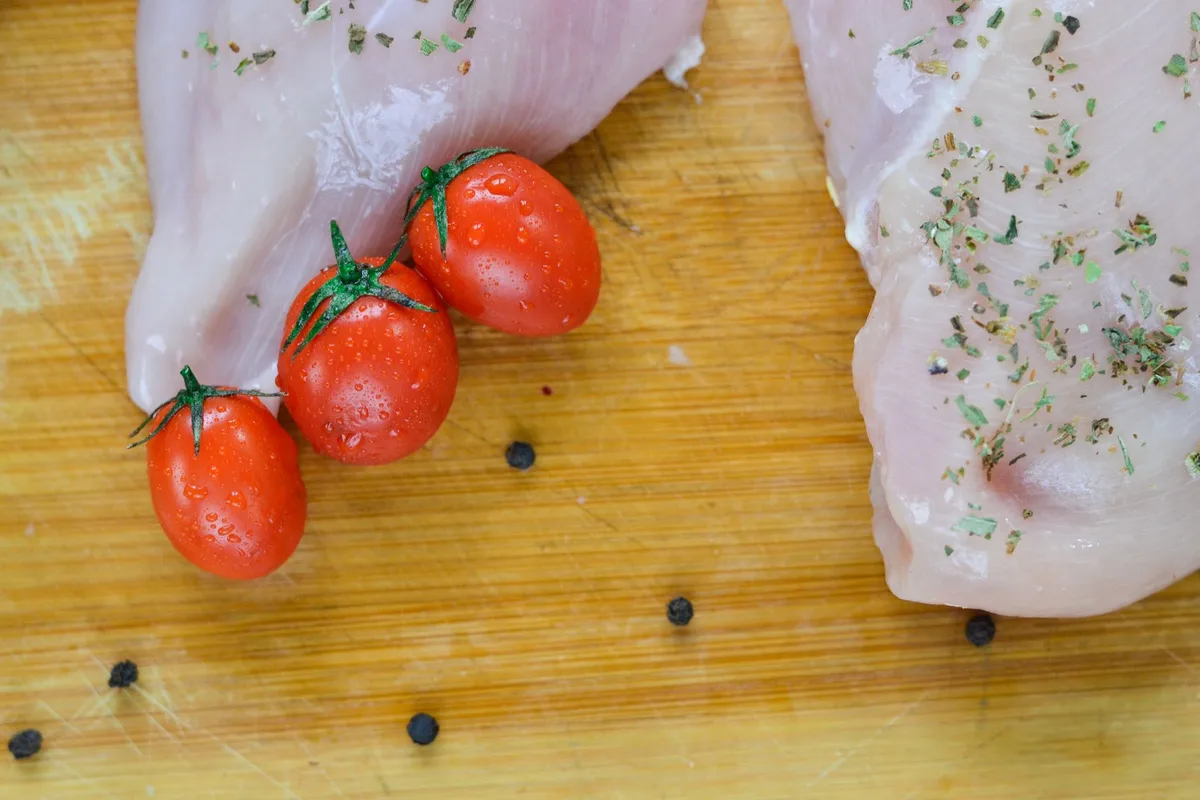
Start with boneless, skinless breasts or thighs of similar thickness. If the pieces vary, pound the thicker ends gently with a meat mallet or the bottom of a heavy pan. Uniform thickness means even cooking.
Pat the meat dry with paper towels. Moisture on the surface creates steam, not a crust. Season generously with salt and pepper.
Add any dry rub you like, paprika, garlic powder, onion powder, dried thyme, but keep it simple for the first try. Let the seasoned chicken sit at room temperature for 10‑15 minutes. This step reduces the temperature shock when it hits the hot pan.
Heating the Pan and Adding Oil
Place the skillet over medium‑high heat. Let it warm for two to three minutes. A drop of water should dance across the surface, not evaporate instantly.
That tells you the pan is ready.
Swirl in the oil. It should shimmer but not smoke. If it smokes, pull the pan off the heat for a few seconds, then return.
The oil creates a thin, even layer that conducts heat directly to the chicken.
Cooking the Chicken
Lay the chicken in the pan presentation side down, usually the smoother side. You should hear a steady sizzle. Don’t crowd the pan; leave a little space between pieces.
Crowding drops the temperature and leads to steaming.
Cook without moving for 4‑5 minutes on the first side. The crust forms when the Maillard reaction kicks in. You’ll know it’s ready to flip when the edges turn opaque and the meat releases easily from the pan.
If it sticks, give it another 30 seconds.
Flip once. Reduce heat to medium. Cook the second side 3‑4 minutes for breasts, 5‑6 minutes for thighs.
Thicker pieces may need a minute more. Resist the urge to press down; that squeezes out juices.
Checking Doneness Safely
Insert an instant‑read thermometer into the thickest part of the largest piece. Aim for the center, avoiding bone. The reading should hit 165 °F (74 °C).
If you’re a few degrees short, cover the pan with a lid for 30 seconds; the trapped heat finishes the job without over‑browning.
The FDA also advises that color alone isn’t a reliable indicator of safety FDA. A thermometer removes guesswork.
Resting and Serving
Transfer the chicken to a cutting board. Tent loosely with foil and let it rest 5 minutes. Resting lets the juices redistribute, so the first slice stays moist.
Slice against the grain for maximum tenderness. Serve with a squeeze of lemon, a drizzle of pan sauce, or your favorite side.
Common Mistakes to Avoid
- Cold pan, leads to pale, rubbery chicken.
- Too much oil, creates a greasy surface, not a crust.
- Moving the meat too early, tears the crust.
- Skipping the thermometer, risks under‑cooked poultry.
- Cutting immediately, loses the juices you just locked in.
Flavor Variations and Sauces
Once you master the basic sear, experiment. Deglaze the pan with a splash of white wine, chicken broth, or lemon juice. Scrape up the browned bits (fond) and whisk in a pat of butter for a quick pan sauce.
Add capers, fresh herbs, or a spoonful of mustard for extra depth. For an Asian twist, finish with soy sauce, ginger, and a touch of honey. The same technique works for chicken cutlets, tenders, or even thin‑sliced breasts for sandwiches.
Final Tips
Keep a clean kitchen towel handy for hot handles. Use a splatter screen if oil pops. Clean the pan while it’s still warm, stuck‑on fond comes off easier.
Practice once or twice a week; muscle memory makes the process feel automatic.
Pan‑fried chicken is a staple that fits weeknight dinners, meal prep, or a quick lunch. Master the heat, respect the thermometer, and you’ll get a perfect sear every time.