I’ve spent more hours than I care to count hunched over a screaming-hot wok, sweat dripping off my nose, trying to nail that perfect stir fry. And you know what? It’s not magic.
It’s technique. The wok is a brilliant tool, but only if you know how to use it. Most people treat it like a deep frying pan and end up with soggy, steamed vegetables and rubbery meat.
That’s not stir fry. That’s sad.
This guide is going to change that. I’ll walk you through every step of how to cook stir fry in a wok, from choosing the right metal to managing the heat like a pro. No fluff.
No nonsense. Just the stuff that works.
Choosing the Right Wok for Stir Fry
Before you even think about firing up the burner, you need the right pan. Not all woks are created equal, and the material you pick changes everything.
Carbon Steel Wins Every Time
Carbon steel is the gold standard for stir fry. It’s lightweight, heats up fast, and responds instantly when you adjust the flame. That responsiveness is critical for high-heat cooking.
A carbon steel wok also develops a natural non-stick patina over time, which is exactly what you want. I’ve used the same $30 carbon steel wok for years, and it’s better than any expensive non-stick pan I’ve owned.
Stay Away from Non-Stick for Stir Fry
Non-stick woks are a trap. You can’t get them hot enough without damaging the coating, and the whole point of stir fry is blistering heat. Also, non-stick surfaces don’t hold seasoning, so you lose that authentic flavor.
If you’re serious about how to cook stir fry in a wok, skip the Teflon.
Cast Iron and Stainless Steel
Cast iron woks are heavy and slow to heat. They hold temperature well, but they’re a pain to toss and flip. Stainless steel woks are even worse, food sticks like crazy unless you’re an absolute master of heat control.
Stick with carbon steel.
How to Season a Carbon Steel Wok
A new wok comes with a protective coating of machine oil. You have to burn that off and build your own seasoning layer. This isn’t optional.
It’s the foundation of every great stir fry.
Step-by-Step Seasoning
Start by scrubbing the wok with hot water and a stiff brush to remove the factory coating. Dry it completely over low heat. Then, crank the heat to high until the wok starts smoking.
That’s the coating burning off, it’s normal, but make sure your kitchen is well-ventilated.
Once the wok stops smoking, let it cool slightly. Add a thin layer of high-smoke-point oil, grapeseed or avocado oil works great. Use a paper towel to spread it all over the interior, wiping off any excess.
Then heat the wok again until it smokes. Repeat this process two or three times. You’ll see the metal turn dark, almost black.
That’s the seasoning.
Maintaining the Seasoning
After each use, scrub your wok with hot water and a soft brush. No soap. Soap strips the seasoning.
Dry it immediately over low heat, then rub a tiny bit of oil inside. If you ever see rust, scrub it off and reseason. Most manufacturers, including sites like The Wok Shop, have detailed guides on this process.
Follow their advice and you’ll never look back.
Essential Ingredients and Prep
Great stir fry starts long before you hit the stove. Preparation is everything. Professional chefs call it mise en place, having everything ready, chopped, and measured.
You don’t have time to slice a carrot while the wok is smoking.
Protein: Cut It Right
Slice meat across the grain into thin, uniform pieces. A good trick: partially freeze the meat for 15 minutes before slicing. It firms up and makes thin cuts much easier.
For chicken, aim for slices about 1/4 inch thick. For beef, go even thinner, 1/8 inch is ideal. Marinate the meat for at least 15 minutes with soy sauce, a splash of Shaoxing wine, and a little cornstarch.
That cornstarch is the secret to velveting, which keeps the meat tender.
Vegetables: Even Sizes Matter
Cut all vegetables into similar-sized pieces so they cook evenly. Broccoli florets should be roughly the same size as your carrot slices. Bell peppers, onions, mushrooms, keep them bite-sized.
Hard vegetables like carrots and broccoli need a head start, so blanch them for 30 seconds in boiling water before stir-frying. Or microwave them for a minute. It makes a huge difference.
The Sauce: Prep It in a Bowl
Don’t fumble with bottles when the heat is on. Mix your sauce in a small bowl beforehand. A basic stir fry sauce combines soy sauce, oyster sauce, a splash of rice vinegar, a little sugar, and some cornstarch slurry.
The cornstarch thickens the sauce and gives it that glossy coating. Whisk it all together and set it aside.
The Stir-Fry Technique: Step by Step
Now let’s get into the actual cooking. This is where most people go wrong, so pay close attention.
Heat the Wok Until It Smokes
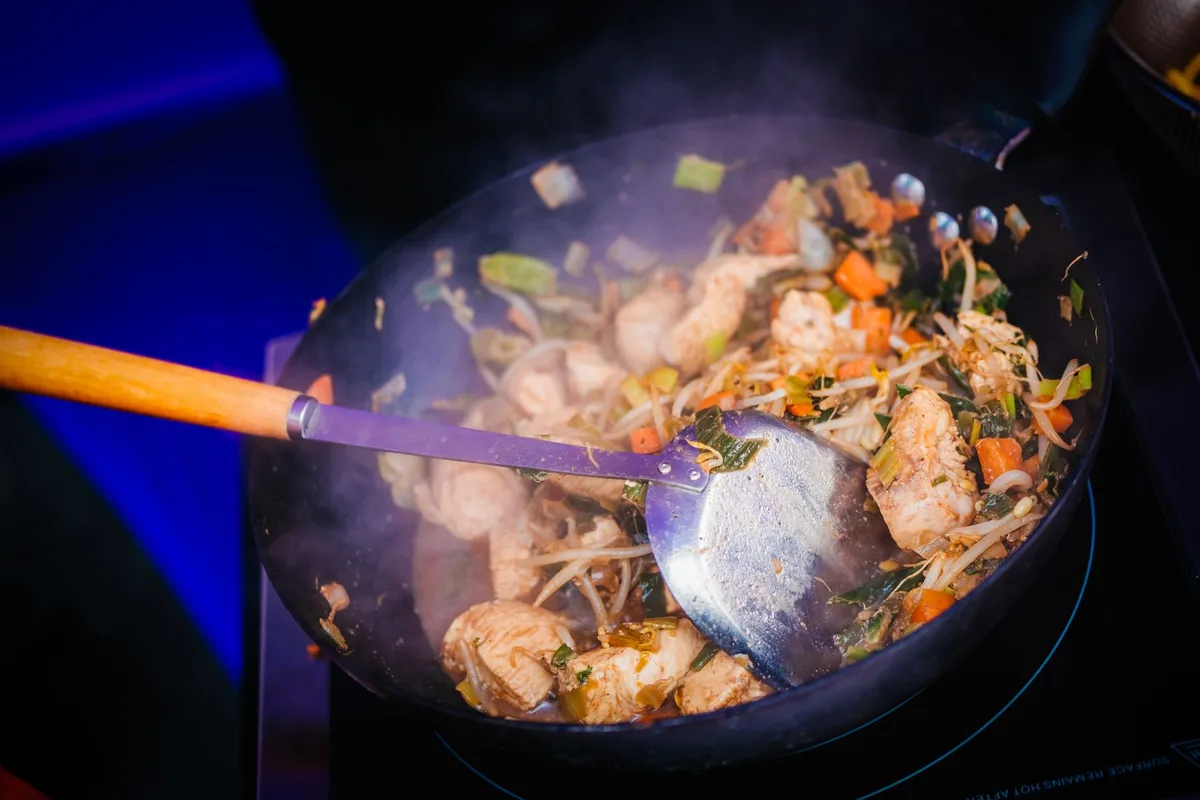
Place your wok over high heat and let it sit for a full minute. I mean full minute. You want the wok so hot that a drop of water dances and evaporates instantly.
Add your oil, about two tablespoons of a high-smoke-point oil like peanut or avocado. Swirl it around to coat the bottom and sides.
Cook the Aromatics First
Drop in minced garlic, ginger, and maybe some sliced scallions. Stir constantly for 10 to 15 seconds. They’ll burn fast, so don’t walk away.
The oil should sizzle aggressively. If it doesn’t, your wok isn’t hot enough.
Sear the Protein
Push the aromatics to the side or scoop them out temporarily. Add the meat in a single layer. Let it sit undisturbed for about 30 seconds to develop a sear.
Then toss and stir-fry until the meat is just cooked through. Remove it from the wok and set it aside.
Cook the Vegetables
Add a little more oil if needed. Then toss in the hardest vegetables first, carrots, broccoli stems, bell peppers. Stir-fry for about a minute.
Then add softer vegetables like mushrooms, snow peas, or bok choy. Keep the food moving constantly. You want it to char in spots but stay crisp.
Combine Everything
Return the meat to the wok. Pour the sauce around the edges, not directly in the center. The sauce will sizzle and reduce quickly.
Toss everything together for another 30 seconds. The cornstarch in the sauce will thicken and coat every piece.
Finish with a Splash of Sesame Oil
Turn off the heat. Drizzle a teaspoon of toasted sesame oil over the top and toss. That final touch adds a nutty aroma that makes the dish sing.
Managing Heat Zones in a Wok
A wok isn’t a flat pan. It’s a curved bowl with multiple heat zones. Learning to use them is the difference between a home cook and a stir-fry master.
The Bottom Is the Hot Zone
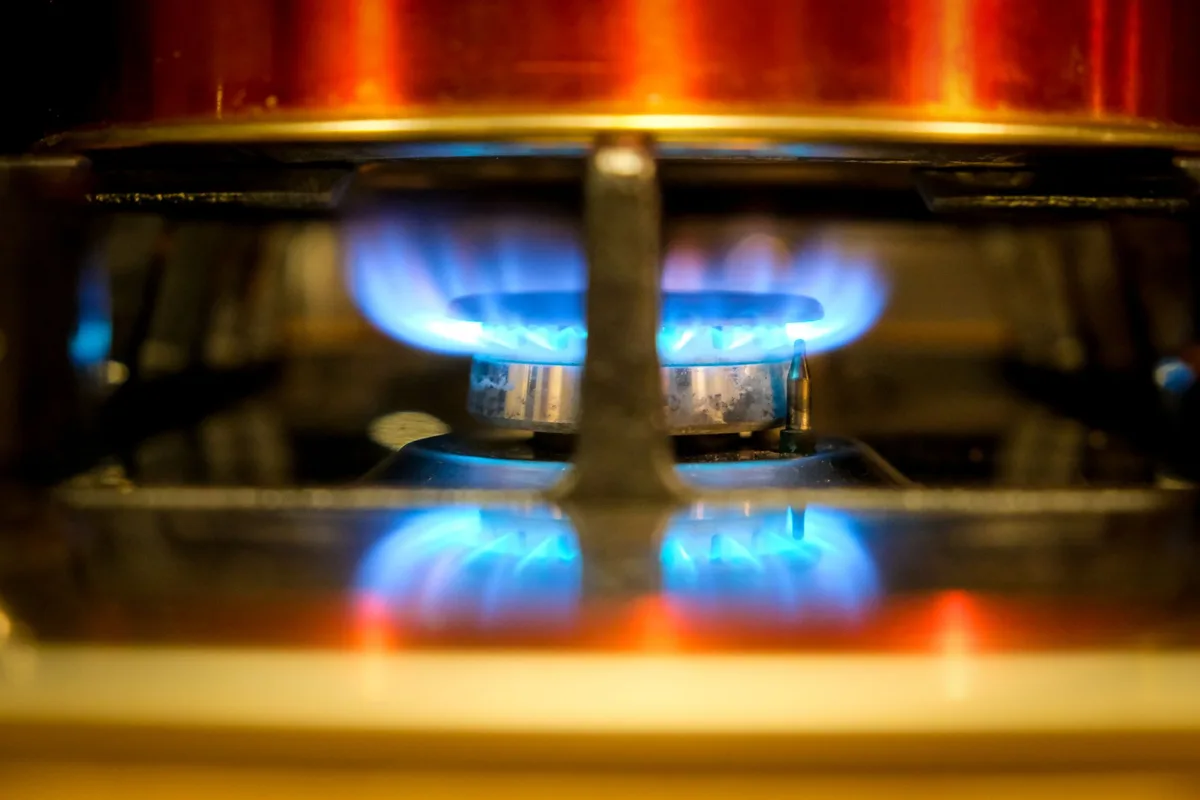
The very bottom of the wok, where it sits on the burner, is the hottest area. Use it for searing meat and cooking aromatics. When you need less heat, slide the food up the sides.
The upper walls are cooler, so you can keep ingredients warm there without burning them.
The “Wok Hei” Effect
Wok hei is that elusive smoky, charred flavor you get from restaurant stir fries. It comes from burning oil droplets and food particles at extreme temperatures. To get wok hei at home, you need a powerful burner, at least 15,000 BTUs.
If your stove is weak, preheat the wok longer and use smaller batches. Don’t overcrowd the pan. Overcrowding drops the temperature instantly and kills the wok hei.
Tossing vs. Stirring
Use a spatula or wok shovel, but also toss the ingredients by lifting the wok and flipping the contents. This exposes the food to the hottest part of the wok repeatedly. It’s a skill, but worth practicing.
If you can’t toss, just keep the food moving with your spatula.
Common Mistakes and How to Fix Them
Even experienced cooks mess up. Here are the most frequent errors and how to avoid them.
Mistake 1: Overcrowding the Wok
You stuff the wok full of vegetables and meat, and suddenly everything steams instead of fries. The temperature plummets, and you get a soggy mess. Fix: cook in batches.
If you’re making a stir fry for four people, cook the meat in two batches, and the vegetables in two batches. Combine everything at the end.
Mistake 2: Using the Wrong Oil
Olive oil has a low smoke point. It burns and tastes bitter. Use peanut, avocado, grapeseed, or canola oil.
These can handle the high heat without breaking down.
Mistake 3: Not Drying Your Ingredients
Wet vegetables or meat release moisture into the wok. That moisture turns into steam, and steam kills the sear. Pat your protein dry with paper towels.
Spin your greens dry in a salad spinner. Every drop of water is the enemy of a good stir fry.
Mistake 4: Forgetting to Season Your Wok
A brand-new wok will stick like crazy. You need that seasoning. If your food is sticking, you either didn’t season the wok properly, or the wok isn’t hot enough.
Reheat and add more oil.
Mistake 5: Cooking Cold Ingredients
Cold meat straight from the fridge will drop the wok temperature instantly. Let your protein sit at room temperature for 15 minutes before cooking. Same for vegetables, room temp is fine.
Advanced Tips for Perfect Wok Hei
Want to take your stir fry to the next level? These are the tricks that professional chefs use.
Use a Wok Ring or High-Output Burner
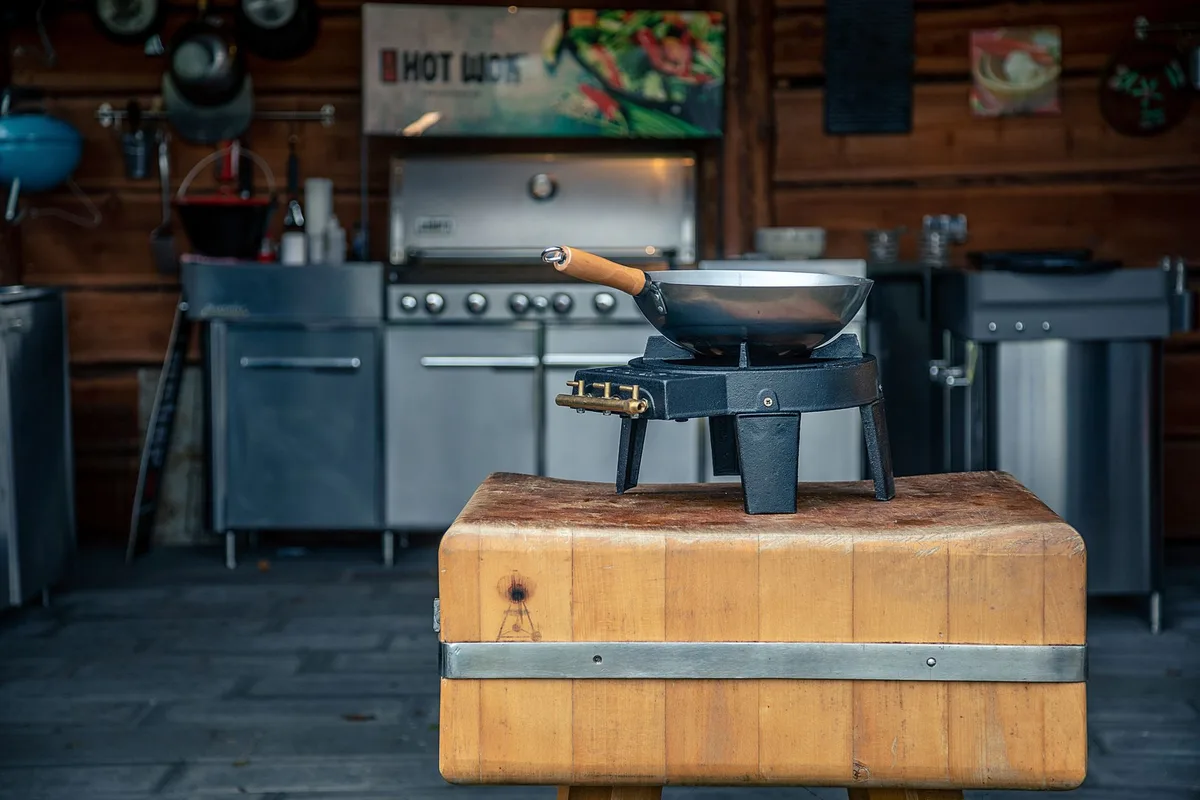
If you have a gas stove, a wok ring (the round metal stand) stabilizes the wok and concentrates the heat. Some home stoves have a dedicated wok burner. If yours doesn’t, a portable butane burner can crank out serious BTUs.
It’s worth the investment if you cook stir fry often.
The “Ladle the Oil” Technique
In many Chinese restaurants, chefs add oil not just to the wok, but they also ladle hot oil over the ingredients as they cook. This keeps the surface temperature high and encourages wok hei. You can do this at home by using a metal ladle and heating extra oil in a small pan.
Deglaze with Shaoxing Wine
When you finish cooking, add a splash of Shaoxing wine (or dry sherry) around the edges of the wok. The alcohol burns off instantly, lifting the flavors and adding depth. It’s a classic move.
Use a Carbon Steel Wok for Years
Your wok gets better with age. The seasoning thickens, the surface becomes non-stick, and the flavor deepens. Don’t toss it.
A well-seasoned carbon steel wok is a family heirloom.
Recipe Example: Quick Chicken and Broccoli Stir Fry
Let’s put everything together with a simple, foolproof recipe.
Ingredients
- 1 pound boneless, skinless chicken thighs, sliced thin
- 2 cups broccoli florets, blanched
- 3 cloves garlic, minced
- 1 tablespoon ginger, minced
- 2 tablespoons soy sauce
- 1 tablespoon oyster sauce
- 1 tablespoon Shaoxing wine (or dry sherry)
- 1 teaspoon sugar
- 1 teaspoon cornstarch mixed with 2 tablespoons water
- 3 tablespoons peanut oil
- 1 teaspoon toasted sesame oil
Instructions
- Pat the chicken dry. Toss with 1 tablespoon soy sauce and 1 teaspoon cornstarch. Let marinate 10 minutes.
- Mix the sauce: remaining soy sauce, oyster sauce, wine, sugar, and cornstarch slurry. Set aside.
- Heat your wok on high until smoking. Add 2 tablespoons peanut oil. Swirl.
- Add garlic and ginger. Stir 10 seconds.
- Add chicken in a single layer. Sear 30 seconds, then stir-fry until just cooked. Remove chicken.
- Add remaining 1 tablespoon oil. Add broccoli. Stir-fry 1 minute.
- Return chicken to the wok. Pour sauce around the edges. Toss 30 seconds.
- Remove from heat. Drizzle sesame oil. Toss. Serve immediately.
Final Thoughts on How to Cook Stir Fry in a Wok
Mastering stir fry takes practice, but the fundamentals are simple: hot wok, dry ingredients, small batches, and constant motion. Don’t be afraid to crank the heat. Don’t be afraid to make mistakes.
Every bad stir fry teaches you something.
Remember to check safe internal temperatures for your meat using resources like the USDA’s food safety guidelines. And take care of your wok. It’s a tool that rewards respect.
Now go fire up that burner. You’ve got this.
1 thought on “How To Cook Stir Fry In a Wok”