Burnt oil clings to a pan like a stubborn stain on a favorite shirt. You heat oil, it smokes, it polymerizes, and suddenly you have a dark, sticky layer that refuses to budge. The good news?
You can remove it with stuff you already own. I’ve tested every kitchen‑trick out there, and the methods below work on stainless, cast iron, non‑stick, and even copper, if you respect the material.
Why Burnt Oil Sticks
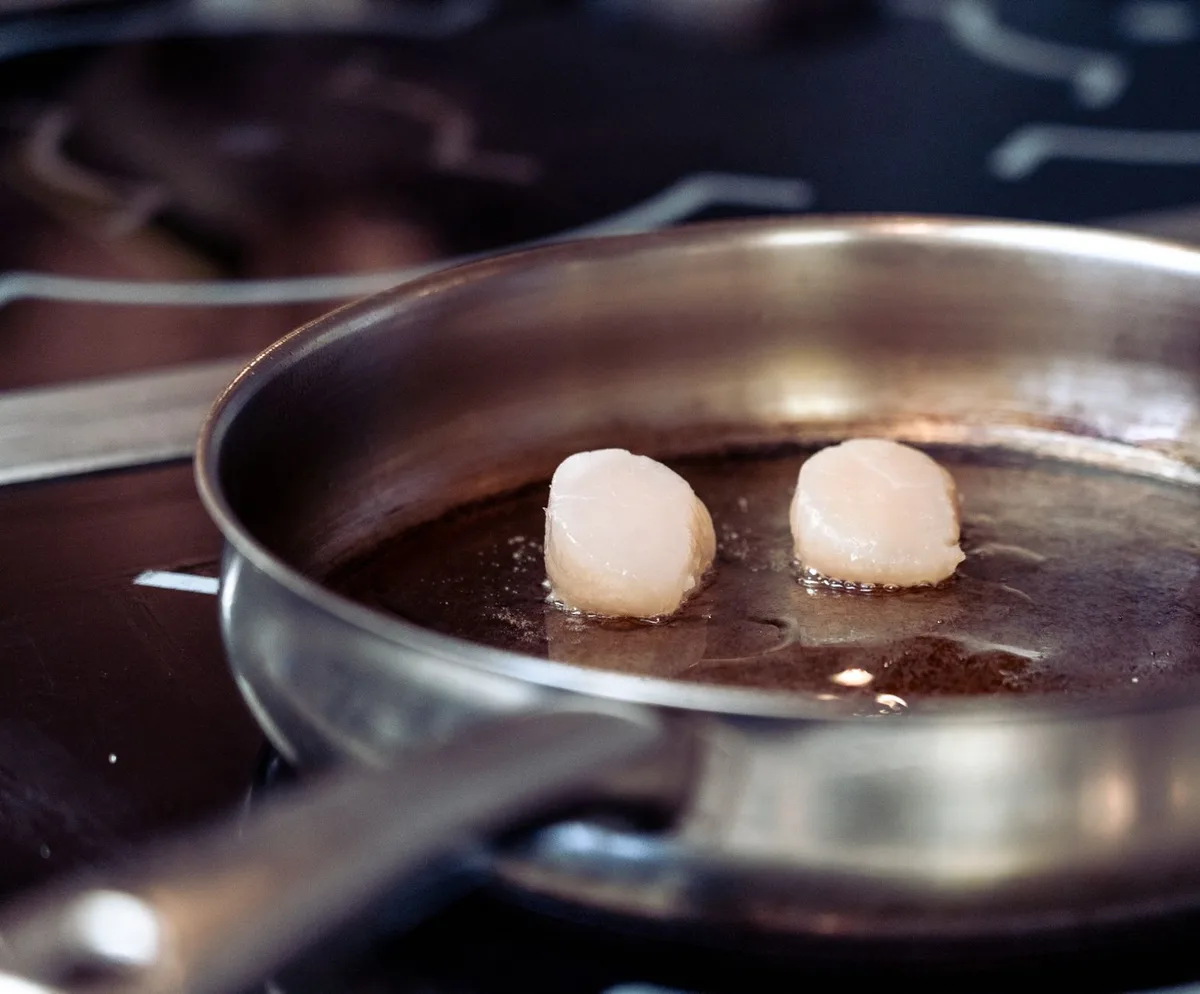
Oil breaks down when it passes its smoke point. The triglycerides oxidize and cross‑link, forming a carbon‑rich polymer that bonds to metal pores. Heat accelerates the reaction.
The longer the oil sits, the tighter the bond. That’s why a quick rinse never works.
Quick Assessment: Pan Material Matters
Before you attack the residue, identify the pan.
- Stainless steel, tough, can handle abrasives and high heat.
- Cast iron, seasoned surface; harsh chemicals strip seasoning.
- Non‑stick (PTFE or ceramic), coating scratches easily; avoid metal scrubbers.
- Copper, reacts with acids; polish gently.
Match the cleaning method to the material. Using the wrong tool can ruin a good pan.
The Baking Soda & Vinegar Soak Method
This is the classic “set it and forget it” approach. It works on stainless, enameled cast iron, and even glass lids.
- Sprinkle a generous layer of baking soda over the burnt area.
- Pour enough white vinegar to cover the soda. The mixture fizzes, that’s carbon dioxide lifting the polymer.
- Let it sit 30 minutes for light buildup, up to 2 hours for heavy crust.
- Scrub with a nylon brush or a soft sponge. Rinse and dry.
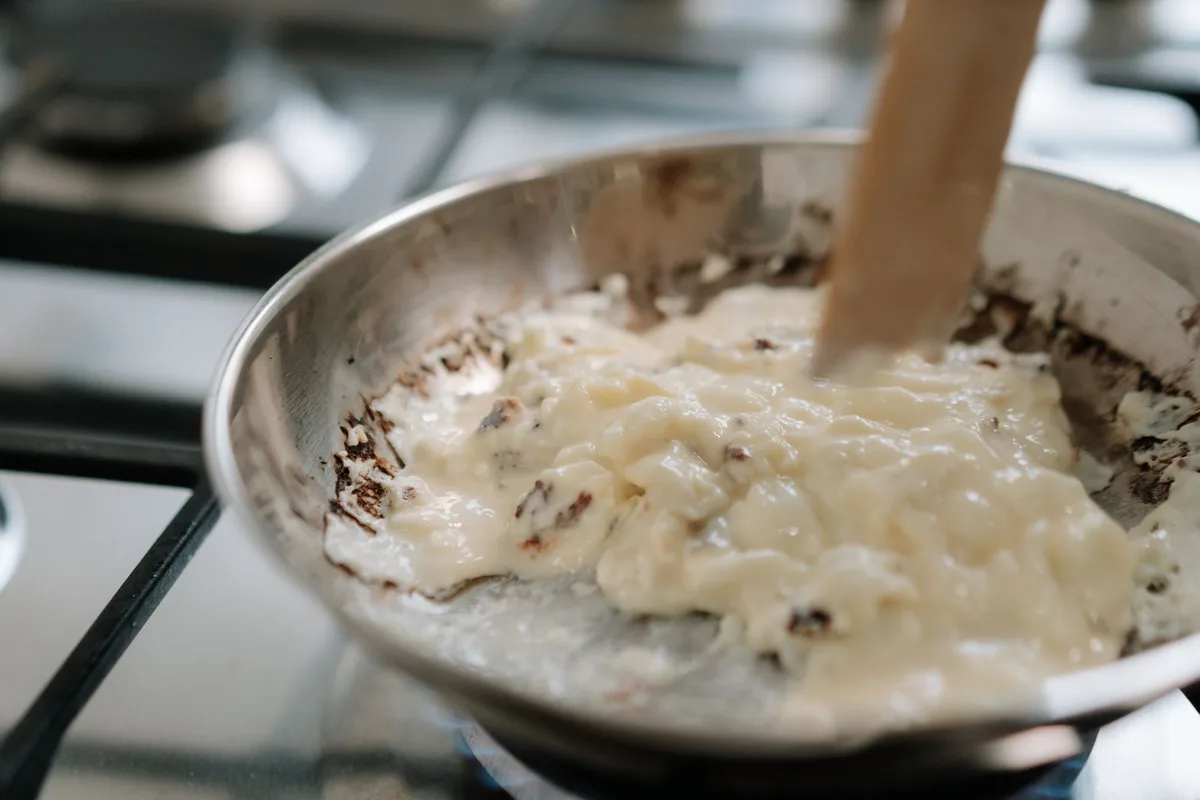
The reaction is mild, so it won’t damage a non‑stick coating if you keep the soak short. For stubborn spots, repeat once more.
Scrubbing with Bar Keepers Friend
Bar Keepers Friend (BKF) is a oxalic‑acid based powder that chelates iron oxides and breaks down carbonized oil. It shines on stainless and copper, but never use it on non‑stick or seasoned cast iron.
- Wet the pan.
- Sprinkle BKF directly on the burnt ring.
- Add a few drops of water to make a paste.
- Rub with a non‑scratch pad in a circular motion.
- Rinse thoroughly; any residue can dull the finish.
A little goes a long way. One tablespoon handles a 12‑inch skillet. The EPA’s Safer Choice program lists BKF as a low‑toxicity cleaner (https://www.epa.gov/saferchoice).
Boiling Water & Dish Soap
Heat softens the polymer. This method is safe for every pan type, including non‑stick.
- Fill the pan with water to cover the burnt layer.
- Add a squirt of dish soap.
- Bring to a rolling boil for 5‑10 minutes.
- Turn off heat, let the water cool until you can touch it.
- Scrub with a soft sponge. The oil lifts off in sheets.
If the pan is cast iron, dry it immediately and apply a thin oil coat to protect the seasoning.
Salt & Lemon Abrasion
Coarse salt acts as a gentle abrasive; lemon juice adds citric acid to break down the carbon.
- Sprinkle a thick layer of kosher salt over the residue.
- Cut a lemon in half and use the cut side to scrub.
- The salt dissolves, the lemon juice works, and the pan shines.
- Rinse and dry.
Great for copper and stainless. Avoid on non‑stick, salt can scratch the coating.
Commercial Degreasers
When home remedies fall short, a dedicated kitchen degreaser saves time. Look for products labeled “food‑safe” and “non‑corrosive.” Spray, wait the recommended dwell time, then wipe. The University of Minnesota Extension recommends checking the label for pH neutrality to protect metal finishes.
Preventing Future Buildup
Prevention beats cleanup.
- Preheat the pan, then add oil. Cold oil in a hot pan smokes faster.
- Use oils with high smoke points (avocado, grapeseed, refined peanut) for high‑heat searing.
- Deglaze promptly. Add wine, broth, or water while the pan is still hot; the liquid lifts fond before it carbonizes.
- Clean while warm. A quick wipe with paper towel after cooking removes most oil before it sets.
- Season cast iron regularly. A thin polymerized layer protects the iron and makes future cleaning easier.
FAQ
Can I put a burnt pan in the dishwasher?
Only if the manufacturer says it’s dishwasher‑safe. High‑heat cycles can bake the oil tighter.
Will vinegar damage stainless steel?
No. Diluted vinegar is safe. Rinse well to avoid water spots.
Is Bar Keepers Friend safe for induction pans?
Yes, provided the pan is stainless or enameled. Avoid on non‑stick.
How often should I deep‑clean a cast iron skillet?
Only when you see heavy buildup. Routine maintenance is a hot water rinse and a light oil wipe.
What if the burnt oil is on the exterior of the pan?
Same methods work. Just protect handles and any non‑metal parts.
Bottom Line
Burnt oil isn’t permanent. Match the cleaner to the pan, give the chemistry time to work, and use the gentlest abrasive that gets the job done. Your pans will last longer, food will taste cleaner, and you’ll spend less time scrubbing.