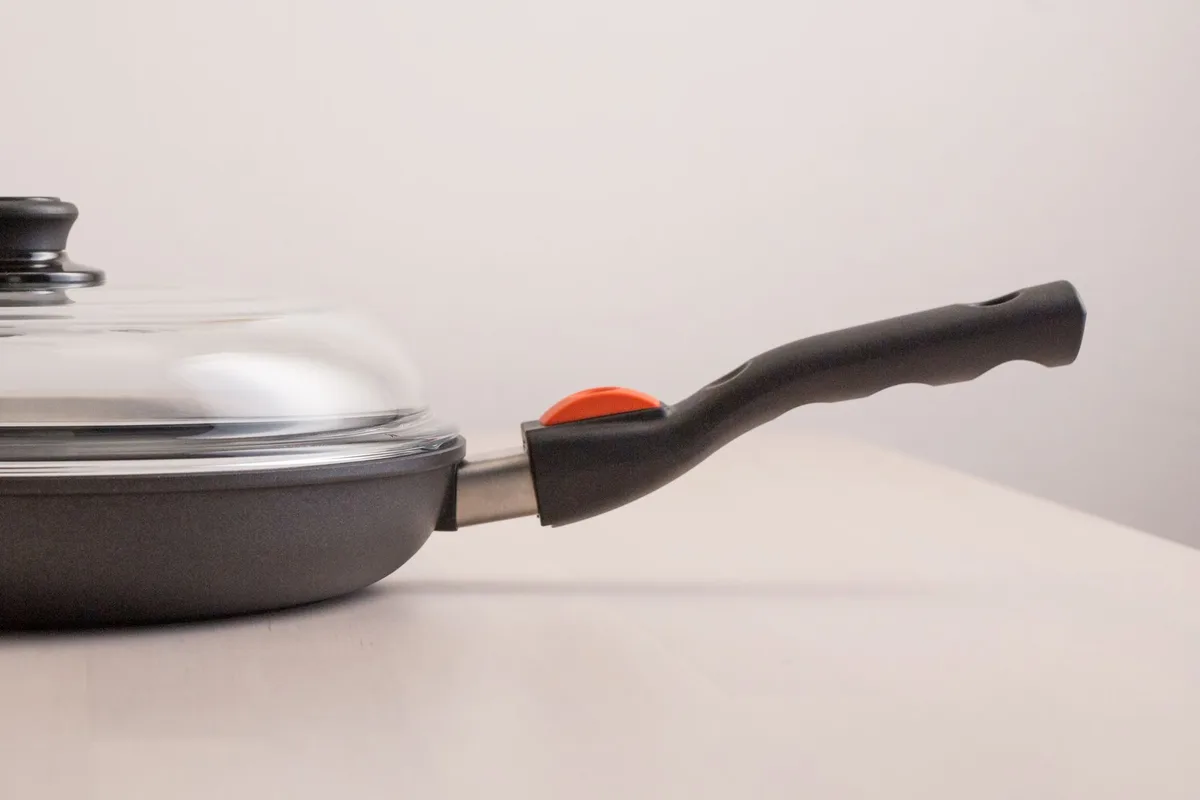
A burnt non‑stick pan looks like a lost cause, but the coating is tougher than most people think. I’ve rescued dozens of pans that looked hopeless, and the secret is patience plus the right gentle chemistry. This guide walks you through every safe step, the tools you need, and the habits that keep the surface clean for years.
Why Burnt Food Sticks to Teflon
High heat is the main culprit. Teflon (PTFE) starts to break down around 500 °F, but most stovetops push past that in seconds when a pan sits empty. Oil polymerizes into a carbon layer that bonds to the microscopic pores of the coating.
Once that layer forms, water alone won’t lift it. The good news: the bond is mostly mechanical, not chemical, so a mild abrasive combined with a little acid will release it without scratching the surface.
The FDA notes that intact PTFE coatings are safe for everyday cooking, but overheating releases fumes that can irritate birds and people with respiratory sensitivity (FDA nonstick cookware guidance). Keeping temperatures moderate protects both the pan and your kitchen air.
Tools and Materials You Need
Gather these before you start:
- Soft nylon scrubber or a dedicated non‑stick sponge, never steel wool.
- Baking soda (sodium bicarbonate).
- White distilled vinegar (5 % acidity).
- Mild dish soap (free of bleach or citrus oils).
- Warm water, not boiling.
- Microfiber cloth for drying.
- Plastic spatula for loosening large flakes.
Optional but handy: a small bowl for paste, a spray bottle for vinegar, and a silicone brush for spreading.
Gentle Cleaning Methods: Baking Soda and Vinegar
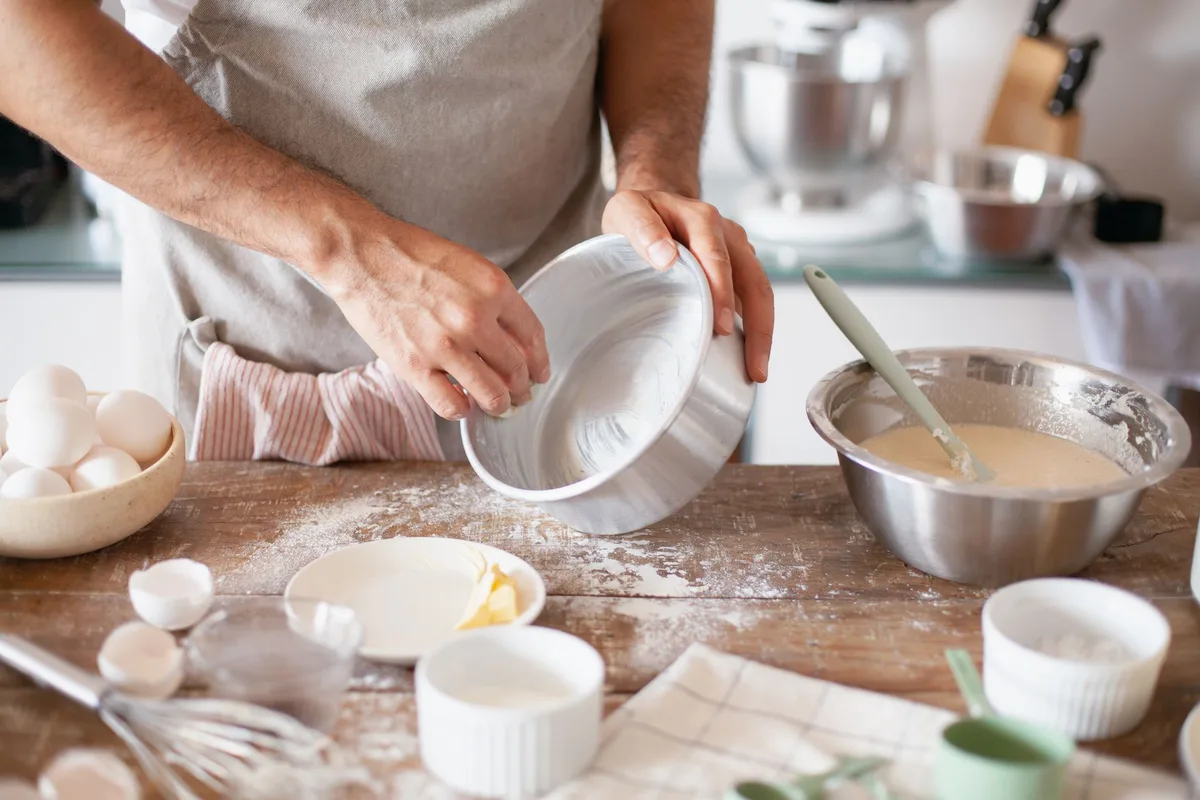
This combo is the gold standard for burnt PTFE. The soda provides a mild abrasive; the vinegar supplies acid to break down carbonized oil.
- Cool the pan completely. Thermal shock can warp the base.
- Sprinkle a generous layer of baking soda over the burnt area. Aim for a quarter‑inch coating.
- Spray or pour vinegar until the soda fizzes. The reaction lifts the residue.
- Let it sit 15‑20 minutes. Longer soak works for thicker crusts.
- Scrub gently with the nylon scrubber in a circular motion. You’ll see the black layer lift.
- Rinse with warm water and a drop of dish soap. Wipe dry.
If a faint stain remains, repeat once. Most pans come clean after a single cycle.
Alternative Gentle Methods
Lemon‑Salt Scrub
Cut a lemon in half, dip the cut side in coarse salt, and rub the burnt spots. The citric acid and fine salt act like a micro‑polish. Rinse and dry.
Cream of Tartar Paste
Mix two tablespoons cream of tartar with enough water to form a thick paste. Spread, wait ten minutes, scrub, rinse. This works well on stubborn sugar burns.
Dish‑Soap Soak
Fill the pan with hot water, add a squirt of mild dish soap, and let it sit an hour. The surfactant penetrates the carbon layer. Follow with a nylon scrub.
Choose whichever ingredients you have on hand. All are safe for PTFE when used with a soft tool.
Deep Cleaning for Stubborn Residue
Sometimes a single soak isn’t enough. Follow this escalation ladder:
- Repeat the baking‑soda‑vinegar soak but extend the wait to 45 minutes.
- Add a few drops of hydrogen peroxide (3 %) to the paste. The extra oxygen helps oxidize the carbon.
- Use a plastic putty knife to gently lift any flakes that have loosened. Never pry with metal.
- Finish with a final soap wash and thorough rinse.
If the coating shows visible scratches or the non‑stick performance is gone, it’s time to replace the pan. No cleaning method restores a damaged PTFE layer.
What NOT to Do
- Never use steel wool, copper pads, or abrasive powders (e.g., Bar Keepers Friend). They gouge the coating.
- Avoid oven cleaners, bleach, or ammonia. Harsh chemicals degrade PTFE and can leave toxic residues.
- Don’t heat an empty pan to “burn off” the mess. That accelerates coating breakdown.
- Skip the dishwasher unless the manufacturer explicitly labels the pan dishwasher‑safe. High‑pressure jets and harsh detergents shorten lifespan.
Preventing Future Burns
- Preheat on medium for no more than two minutes before adding oil.
- Use oil with a high smoke point (avocado, grapeseed) for searing.
- Stir frequently when cooking sugary sauces or sticky glazes.
- Store pans with a soft liner (paper towel or cloth) between stacked pieces.
- Inspect regularly for micro‑scratches; early detection lets you adjust technique before damage compounds.
A well‑maintained non‑stick pan can last five to seven years of daily use. The habits above are the cheapest insurance you can buy.
FAQ
Can I use baking soda on a brand‑new pan?
Yes. A light bake‑soda paste removes manufacturing oils without harming the coating.
Is vinegar safe for all non‑stick surfaces?
Standard PTFE and ceramic‑reinforced coatings tolerate 5 % acetic acid. Check the maker’s care sheet for exotic hybrids.
How often should I deep‑clean?
Only when you see visible carbon buildup. Routine washing with soap and a soft sponge is enough for daily maintenance.
What if the pan warps?
Warping usually means the aluminum core overheated. The coating may still be intact, but uneven heating will cause future burns. Consider replacement.
Do I need a special scrubber?
A nylon‑bristle brush or a sponge labeled “non‑stick safe” works. Avoid anything labeled “heavy duty.”
Bottom Line
Burnt Teflon looks intimidating, but a simple baking‑soda‑vinegar soak plus a soft nylon scrubber restores most pans in under thirty minutes. Skip the harsh chemicals, keep the heat moderate, and your non‑stick will stay slick for years.