Let’s be honest. The microwave is probably the most used appliance in your kitchen, yet most of us never really learned how to use it properly. We just hit buttons and hope for the best.
Sometimes the food comes out perfect. Other times, you’re chewing on a rubbery piece of chicken or biting into an ice-cold center that somehow burned your tongue.
That ends today. I’m going to walk you through everything you need to know about how to microwave food correctly. We’re talking about wattage, cookware, techniques, and the little tricks that separate microwave pros from microwave amateurs.
By the time you finish this guide, you’ll never nuke a soggy meal again.
Image source: Pexels / Geert Brekelmans (Pexels License)
Understand Your Machine: Wattage Matters
Before you even think about cooking times, you need to know one critical number: your microwave’s wattage. This is the single biggest factor in how your food turns out.
Most microwave recipes and package instructions assume a 1000-watt or 1100-watt machine. But here’s the reality, many countertop models run at 700 to 900 watts. If you’re using instructions written for a higher wattage, your food will come out undercooked.
Every time. No exceptions.
Here’s how to check:
- Look for a sticker on the back or inside the door frame.
- Check the user manual (or search the model number online).
- Try the water test: heat 1 cup of water for 2 minutes on high. If it boils, you’re around 1000 watts. If it’s hot but not boiling, you’re in the 700-800 range.
Once you know your wattage, adjust your cooking times. The rule of thumb is simple: if your microwave is lower wattage, add 15-20% more time. If it’s higher, cut the time by about 10%.
Image source: Pexels / Eyes2Soul Eyes2Soul (Pexels License)
Choosing Microwave-Safe Cookware
You might think any bowl works. That’s a mistake. Using the wrong container can ruin your food, damage your microwave, or even start a fire.
Seriously, I’m not being dramatic.
What’s Safe to Use
Glass: Pyrex and other borosilicate glass containers are perfect. They heat evenly and don’t leach chemicals. Just avoid sudden temperature changes, don’t take a cold glass dish and put it straight into a hot microwave.
Ceramic: Most ceramic bowls and plates work great. Check the bottom for a “microwave-safe” label. If it has metallic paint or gold trim, keep it out.
Paper: Plain white paper plates and paper towels are fine for short bursts. Look for the microwave-safe symbol. And never use recycled paper products, they can contain metal fragments.
Plastic: This is where people mess up. Only use plastic containers explicitly labeled “microwave-safe.” That label means the plastic won’t melt or leach harmful chemicals at high temperatures. Takeout containers, margarine tubs, and yogurt cups are usually NOT safe.
What to Avoid
- Metal: No foil, no metal utensils, no wire ties. Sparks fly, and you’re risking a fire.
- Styrofoam: It can melt and release chemicals into your food.
- Chip or cracked dishes: They can shatter when heated.
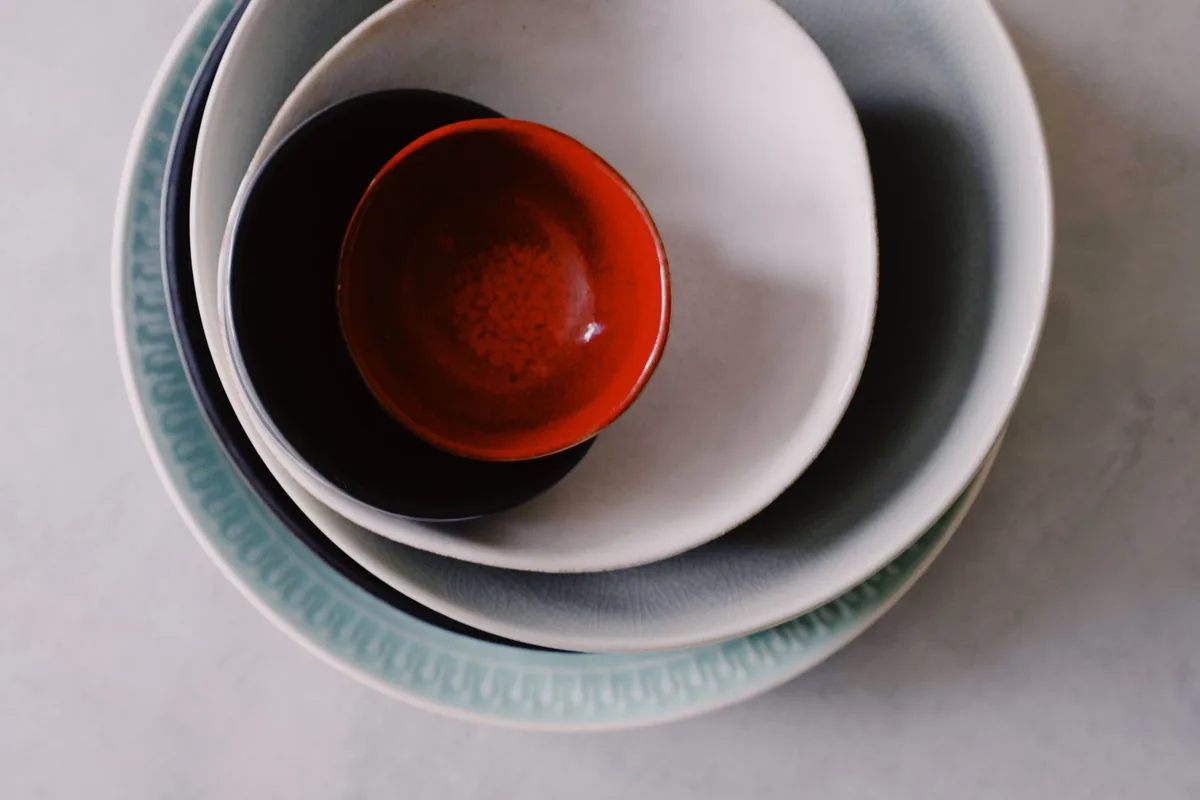
Image source: Pexels / ready made (Pexels License)
The Golden Rules of Microwave Cooking
Learning how to microwave is really about mastering a few core principles. These aren’t random tips, they’re the science of how microwaves actually work. Microwaves heat water molecules inside food.
That’s it. So everything comes down to helping that heat distribute evenly.
1. Always Stir or Rotate
Microwave hotspots are real. Your machine’s turntable helps, but it doesn’t solve everything. Halfway through cooking, stop the microwave, stir the food, and give the dish a half-turn.
This simple step prevents cold spots and overcooked edges. A 30-second interruption is worth it for consistent results.
2. Cover Your Food
Covering your dish traps steam, which speeds up cooking and keeps food moist. Use a microwave-safe lid, a paper towel, or wax paper. Don’t use plastic wrap unless it’s specifically marked microwave-safe, and never let it touch the food directly.
Think about it, would you rather eat a dry, tough piece of fish or a flaky, moist one? Covering is the difference.
3. Arrange Food Strategically
This is the pro tip most people miss. When you’re reheating leftovers, arrange your food in a donut shape. Leave the center empty.
Microwaves penetrate from the outside in, so the outer portions cook first. A donut shape means less food in the center, so everything heats more evenly.
For uneven items like chicken legs or broccoli florets, put the thicker or denser parts facing outward. The thighs will take longer than the wings, so point them toward the edge of the plate.
4. Use the Power Levels, Not Just High
Here’s the misconception: high power is always the answer. It’s not. Lower power settings aren’t for defrosting only.
They’re for gentle heating.
For example, reheating a creamy pasta dish on 100% power will make the sauce break. The fats will separate, and you’ll end up with an oily mess. Instead, use 70% power for a slightly longer time.
You’ll get a smoother result.
Cooking scrambled eggs? Forget high power. Use 50% and stir frequently.
You’ll get fluffy eggs instead of rubbery ones.
5. Rest Time Is Non-Negotiable
The microwave doesn’t finish cooking when it beeps. Heat continues to distribute through food for 1-2 minutes after you take it out. This is called “carryover cooking.” If you check the temperature immediately and it’s not hot enough, you might add more time.
Then, it overcooks during the rest period.
Instead, pull the food out, let it rest for 60 seconds, and then check. You’ll often find it’s done.
How to Microwave Different Food Types
Let’s get specific. Here’s how to microwave the most common foods without ruining them.
Reheating Leftovers
This is the most common reason to use the microwave, and people mess it up constantly.
- Rice and pasta: Sprinkle a teaspoon of water over the food before covering. The moisture will steam the carbohydrates and keep them soft. Use medium-high power (70-80%) for 1-2 minutes.
- Pizza: The secret is a glass of water next to the slice. Place the pizza slice on a plate, put a small microwave-safe cup of water beside it, and heat for 30-45 seconds. The water absorbs excess energy, keeping the crust crisp while the cheese melts.
- Soups and stews: These reheat beautifully. Use a deep bowl, cover with a paper towel (to catch splatters), and heat in 90-second intervals. Stir between intervals.
- Bread and baked goods: Good luck. Bread gets tough in the microwave. If you must, wrap it in a damp paper towel and heat for 10-second bursts. It’s the only trick that works.
Defrosting Meat
Your microwave’s defrost setting isn’t a suggestion, it’s a guide. Set your meat on a microwave-safe plate, and use the defrost button for the weight. Then, flip and rotate the meat halfway through.
The big mistake? Letting it run until the meat is completely defrosted. The edges will start cooking.
Instead, defrost until the meat is just flexible, then let it sit on the counter for 5-10 minutes to finish.
Never defrost meat on high power. The outside will cook while the inside stays frozen. That’s a food safety risk.
Cooking Vegetables
Fresh vegetables microwave wonderfully if you do it right. The key is minimal water. Wash them, leave some moisture clinging to the leaves or florets, and place them in a covered dish.
Microwave on high for 3-5 minutes depending on the vegetable.
Check tenderness with a fork. They’ll come out bright and vibrant, not mushy like boiled vegetables.
Eggs
Yes, you can microwave eggs, but you have to be careful. Eggs explode in the microwave because the yolk heats faster than the white. Trap that steam, and boom.
For scrambled eggs: whisk two eggs, add a tablespoon of milk, and microwave on 50% power in 30-second bursts. Stir after each burst. For soft, fluffy eggs, stop at 90 seconds total.
Never microwave an egg in its shell. Never.
Baking Potatoes
A baked potato in the microwave takes about 12 minutes. It’s not as good as an oven potato, but it’s close.
Pierce the potato with a fork in several places. Rub with a little oil and salt. Place on a paper towel and microwave on high for 5 minutes.
Flip it and go for 5 more minutes. Let it rest for 2 minutes.
The skin will be soft, not crispy, but the inside will be perfect.
Cleaning Your Microwave the Easy Way
A dirty microwave not only smells bad, it can affect how your food tastes. And scraping dried-on food is a pain. Here’s the simple hack.
Fill a microwave-safe bowl with 1 cup of water and the juice of half a lemon (or 2 tablespoons of vinegar). Microwave on high for 3-5 minutes. The steam will loosen every bit of grime.
Let it cool for 5 minutes, then wipe out the interior with a sponge. That’s it. No scrubbing, no harsh chemicals.
Safety Tips You Can’t Skip
We could talk about how to microwave for hours, but safety is non-negotiable.
- Superheating water: Heating water in a microwave for too long can cause it to become superheated, liquid water above its boiling point. When you disturb it (drop in a tea bag), it can erupt violently and scald you. To prevent this, put a wooden chopstick or a microwave-safe object in the cup, or heat water in shorter intervals.
- Unsealed containers: Always vent containers that have steam inside. Pop the lid open a crack. Exploding Tupperware is a real thing.
- Check lids and seals: That container might look fine, but if the seal is compromised, steam can build up and cause a mess. Always use the vent hole or crack the lid.
- Keep a close watch: Don’t set a long timer and walk away. Stay nearby so you can react to sparks or unusual smells immediately.
Boost Your Search Visibility: Answering Common Questions
Why is my food cold in the middle?
Cold centers happen for two reasons: your microwave wattage is lower than the recipe assumes, or you haven’t stirred and rotated your food enough. Fix both and your problem disappears.
Can I microwave paper towels?
Yes, for short periods. Plain white paper towels are fine for covering food and absorbing grease. Avoid printed or recycled paper towels, which may contain metal or other non-safe materials.
Is it safe to microwave plastic?
Only if the container is labeled “microwave-safe.” That label means it won’t melt or leach chemicals at standard cooking temperatures. Other plastics can release harmful substances, especially when heated with fatty foods.
What does the ‘sensor’ button on my microwave do?
Sensor cooking uses a humidity detector to automatically adjust the time. It’s usually accurate for vegetables and rice. For things like reheating leftovers, it’s better to control it yourself.
How can I get crispy food from the microwave?
You can’t. Microwaves produce steam, and steam makes things soft. If you want crispy, you need a microwave with a convection mode (which circulates hot air), a microwave crisper pan, or a quick trip to the toaster oven.
Final Thoughts
Mastering how to microwave is all about understanding the basics, wattage, safety, and even heating. You don’t need a fancy machine or a culinary degree. You just need to know these simple rules.
Start with your wattage. Use the right cookware. Stir, cover, and rest your food.
Defrost slowly, and avoid exploding eggs. Follow these guidelines, and you’ll get consistent results every time you press start.
The microwave is a powerful tool. Now you know how to use it.