You’ve seen them in every Chinese restaurant kitchen. That dark, round-bottomed pan that seems to make everything taste better. But what is a wok, really?
It’s more than just a big metal bowl. It’s one of the most versatile cooking vessels ever invented.
A wok is a round-bottomed cooking pan that originated in China. It typically has a wide, curved shape with sloping sides. The word “wok” comes from the Cantonese word meaning “cooking pot.” Traditional woks are made from carbon steel, though you’ll find them in cast iron, stainless steel, and even non-stick versions today.
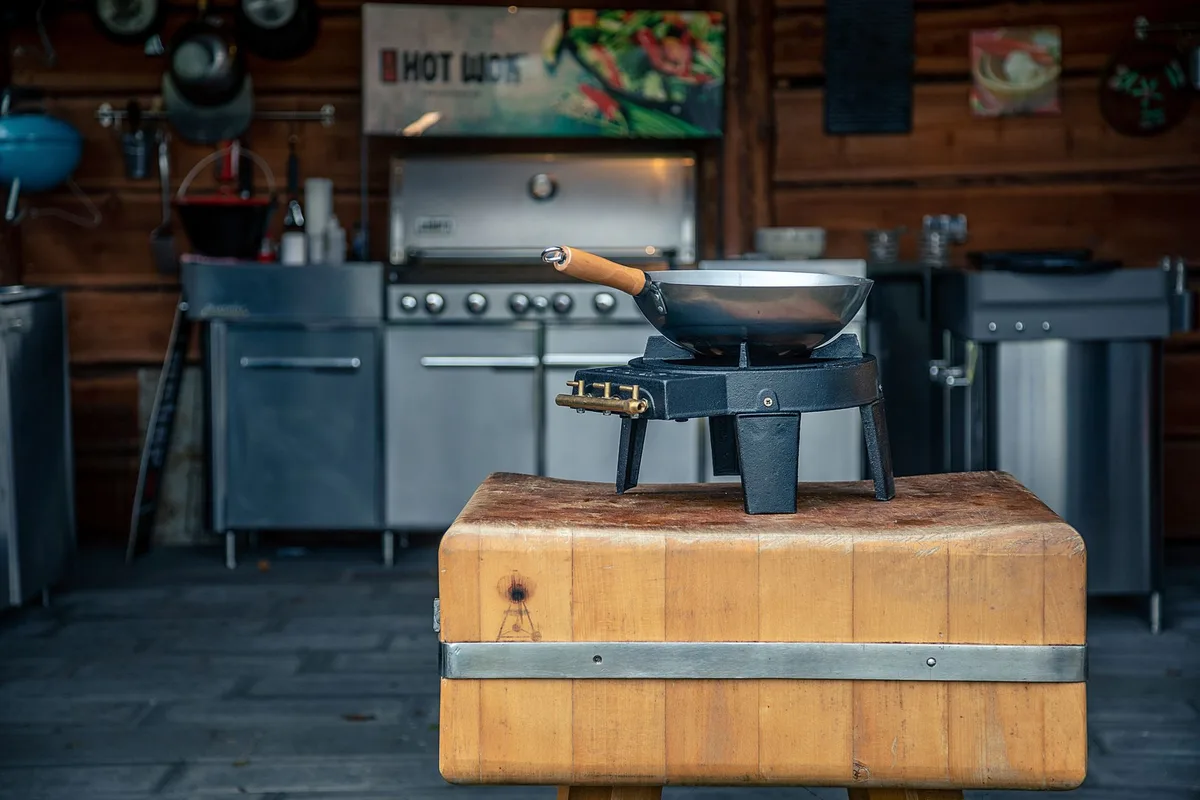
Image source: Pexels / HOT WOK (Pexels License)
The magic of the wok lies in its shape. The deep, curved sides allow you to toss ingredients without spilling. The round bottom concentrates heat at the center, making it perfect for high-temperature stir-frying.
That same shape also works brilliantly for deep-frying, steaming, braising, and even smoking.
I’ve cooked with woks for years, and I’m still amazed at how one pan can replace a dozen others. Let me walk you through everything you need to know.
A Brief History of the Wok
The wok isn’t new. Archaeologists have found evidence of wok-like pans dating back over 2,000 years to the Han Dynasty in China. Back then, they were made from cast iron and used over open wood fires.
The design hasn’t changed much since, and for good reason.
The round bottom wasn’t an accident. Ancient Chinese cooks needed a pan that could sit securely in a fire pit shaped like a cone. The curved sides caught the flames and distributed heat evenly.
That same design later adapted to coal stoves and, eventually, modern gas burners.
Woks spread across East Asia over centuries. Each region put its own spin on the design. The Cantonese perfected the “wok hei” technique, that smoky, charred flavor you get from proper stir-frying.
The Japanese developed a similar pan called the “okama” for rice cooking. The Thai version, the “kata,” has a slightly flatter bottom.
Today, the wok is a global kitchen staple. You’ll find it in home kitchens, restaurant kitchens, and even outdoor camp setups. Its versatility is unmatched.
Anatomy of a Wok: What Makes It Different
To understand what a wok is, you need to look at its parts. A traditional wok has three main features:
The Shape
The wok’s iconic curve isn’t just for looks. The sloping sides create a gradient of heat. The center gets blazing hot, ideal for searing.
The sides stay cooler, perfect for keeping ingredients warm without burning. This lets you cook multiple ingredients at different stages simultaneously, a technique called “layering” that’s impossible in a flat skillet.
The Material
Carbon steel is the classic choice. It’s lightweight, heats up fast, and develops a natural non-stick patina over time. Cast iron woks are heavier and retain heat longer, but they’re slower to react.
Stainless steel woks are durable but rarely reach the temperatures needed for proper wok hei. Non-stick woks are convenient but can’t handle high heat without degrading.
The Handle
Traditional woks have a single long wooden handle. That keeps your hand away from the heat and gives you leverage for tossing. Some woks have two small loop handles on the sides, these are called “Peking woks” and are designed for braising or steaming.
Many modern woks combine both: one long handle and one helper loop.
Types of Woks: Round Bottom vs. Flat Bottom
Here’s where most people get confused. Not all woks are created equal. The biggest difference is the bottom shape.
Round-Bottom Woks
These are the real deal. Professional chefs use round-bottom woks because they channel heat perfectly. The problem?
They only work on gas stoves or special wok burners. A round-bottom wok wobbles on electric, induction, or flat-top glass cooktops. You can buy a wok ring to stabilize it, but it’s not ideal.
Flat-Bottom Woks
These are designed for home kitchens. The bottom is flattened so it sits flush on any cooktop. You lose a tiny bit of heat concentration, but the difference is negligible for home cooking.
For most people, a flat-bottom carbon steel wok is the best choice.
Which Should You Buy?
If you have a gas stove, get a round-bottom wok. It’s more authentic and gives you better control. If you have electric, induction, or ceramic glass, get a flat-bottom wok.
Don’t try to force a round-bottom wok onto a flat surface, it’s dangerous and inefficient.
How to Season a Wok
A new carbon steel wok comes with a protective coating of oil or wax. You need to remove that and build up a seasoning layer. Seasoning is what makes the wok non-stick and rust-resistant.
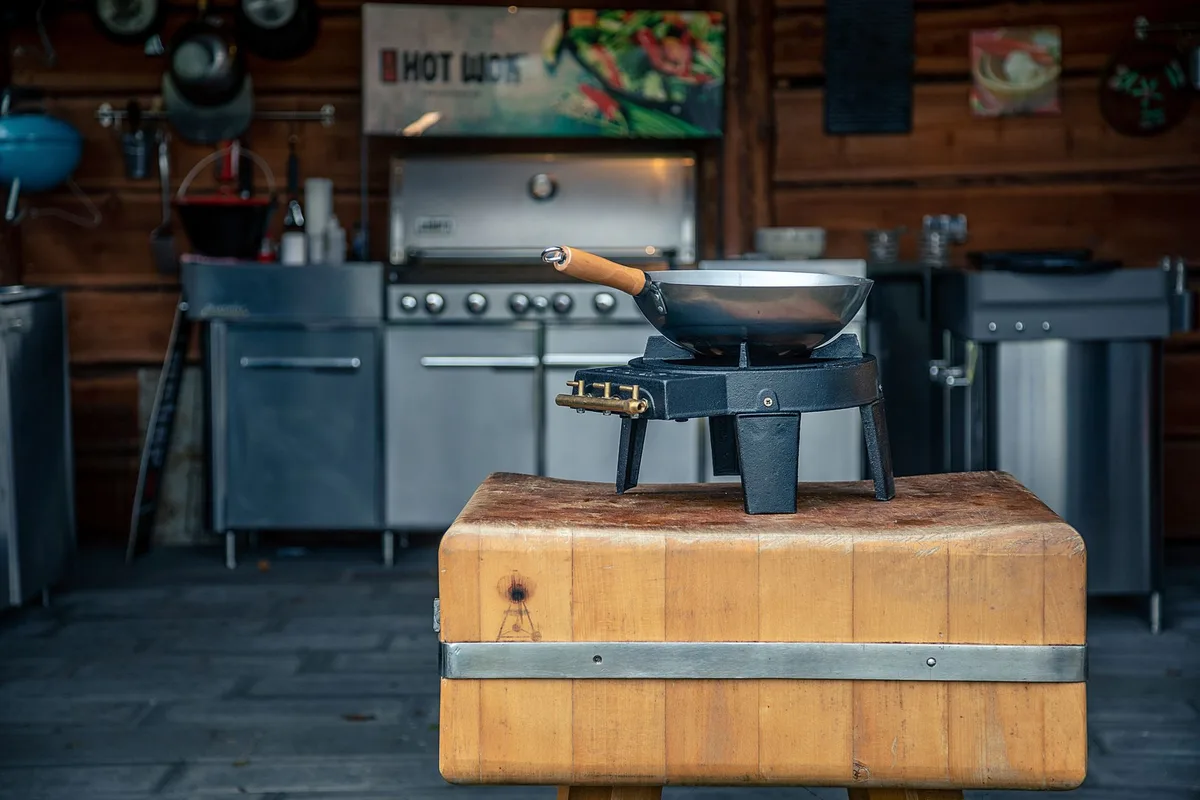
Image source: Pexels / HOT WOK (Pexels License)
Here’s the method I use:
- Wash the wok with hot water and a stiff brush. Use a little dish soap, the old myth that soap ruins seasoning is wrong. Scrub off the factory coating completely.
- Dry it thoroughly over low heat on the stove. Any moisture left will cause rust.
- Apply a thin layer of oil, high smoke point oils like avocado, grapeseed, or vegetable oil work best. Wipe off as much as you can. The goal is a microscopic layer, not a puddle.
- Heat the wok on medium-high until the oil starts smoking. Let it smoke for a minute or two, then turn off the heat.
- Let it cool naturally. Repeat the oil-heat-cool cycle three or four times.
The wok will turn dark brown, then black over time. That’s good. That’s the seasoning.
Each time you cook, the seasoning strengthens. After a few months, you’ll have a slick, non-stick surface that rivals any teflon pan.
The American Culinary Institute recommends seasoning tools like this for professional kitchens. It’s a tried-and-true method.
Best Wok for Home Cooking
If you’re buying your first wok, here’s what I recommend.
Material: Carbon steel. It’s lightweight, responsive, and develops the best seasoning. Cast iron is too heavy for tossing.
Stainless steel doesn’t season. Non-stick can’t take high heat.
Size: 14 inches in diameter. That’s the sweet spot for home cooks. It’s big enough to stir-fry a full meal for two or three people, but not so big that it’s awkward to handle.
Bottom: Flat bottom, unless you have a gas stove with a wok burner.
Handle: A long wooden handle. It stays cool and gives you good control.
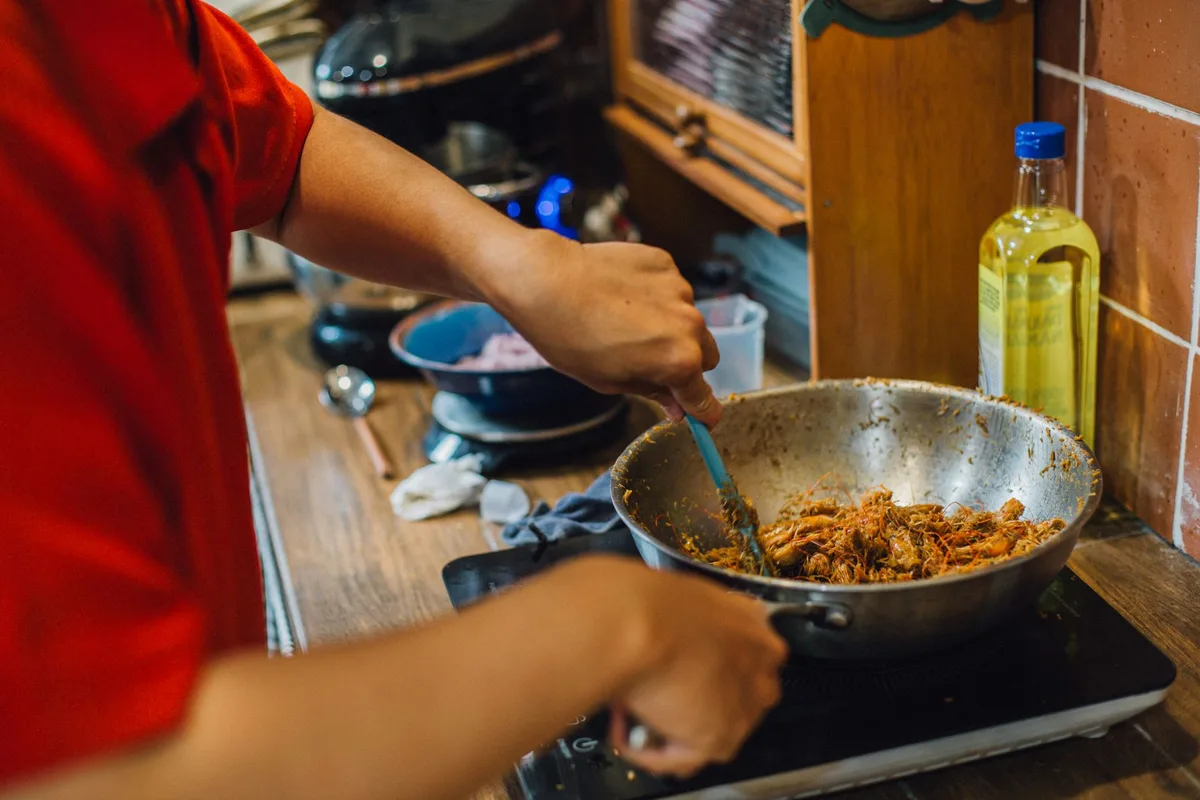
Image source: Pexels / Huỳnh Như Mavi (Pexels License)
I’ve used a dozen different woks over the years. The best budget option is a basic carbon steel wok from a restaurant supply store. They cost around $20 and work better than $100 designer woks.
The best premium option is a hand-hammered wok from a reputable Chinese brand. Those can cost $50, $100, but they’re thinner and heat more evenly.
Avoid non-stick woks. They’re a waste of money. The coating will peel within a year, and you can’t use metal utensils.
A properly seasoned carbon steel wok is naturally non-stick and lasts forever.
How to Cook with a Wok
A wok isn’t just for stir-frying. Here are the main cooking techniques you can use.
Stir-Frying (The Most Common)
Get the wok screaming hot. Add oil, then aromatics like garlic and ginger. Add protein and cook until seared.
Add vegetables in order of cooking time, hard vegetables first, leafy greens last. Add sauce, toss, and serve. The whole process should take under five minutes.
Deep-Frying
The wok’s shape is perfect for deep-frying. The wide surface area means you can fry multiple pieces at once without overcrowding. The curved sides reduce splashing.
Use a small amount of oil, about two inches deep, and a deep-fry thermometer.
Steaming
Place a steaming rack or a heatproof plate inside the wok. Add water below the rack. Bring to a boil, cover, and steam dumplings, fish, or vegetables.
The wok’s high sides trap steam effectively.
Braising
After stir-frying, add liquid (broth, soy sauce, wine) and bring to a simmer. Cover and cook slowly. The wok distributes heat evenly, making it great for braised tofu or chicken.
Smoking
Line the wok with foil, add tea leaves, sugar, and rice. Heat until smoking. Place a wire rack over the mixture and add food.
Cover and smoke for a few minutes. This is how you make Chinese tea-smoked duck.
Caring for Your Wok
A carbon steel wok is low-maintenance, but it’s not no-maintenance.
- After cooking, rinse with hot water and a soft brush. No soap if the seasoning is young. Once the seasoning is well-established, a little soap won’t hurt.
- Dry immediately over low heat. Never let a carbon steel wok air dry, it will rust overnight.
- Apply a thin coat of oil after drying. This protects the seasoning.
- If rust appears, scrub it off with steel wool, re-season the spot, and move on. It’s not the end of the world.
Never put a carbon steel wok in the dishwasher. Never soak it for long periods. Never use metal scrubbers on a new seasoning.
Treat it well, and it will outlast you.
Common Mistakes People Make
I’ve seen beginners ruin woks in a dozen ways. Here are the most common errors.
Using too much oil. A wok doesn’t need a lot of oil. A tablespoon is enough for most stir-fries. More oil just makes things greasy.
Not preheating enough. The wok needs to be smoking hot before you add oil. Otherwise, food sticks and steams instead of searing.
Overcrowding the pan. Stir-frying is about high heat and fast cooking. If you add too much food, the temperature drops and everything turns soggy. Cook in batches if needed.
Using the wrong utensils. Metal spatulas are fine once the seasoning is established. But avoid plastic utensils, they melt at high heat.
Giving up on seasoning. Seasoning takes time. Your wok will look ugly for the first few months. That’s normal.
Keep cooking with it, and the surface will improve.
Frequently Asked Questions
Can I use a wok on an induction cooktop?
Only if it’s flat-bottom and made from magnetic material. Carbon steel and cast iron work on induction. Stainless steel sometimes works.
Round-bottom woks do not work on induction.
Is a wok better than a skillet?
For stir-frying, yes. The wok’s shape lets you toss ingredients and concentrate heat. For searing steaks or making pancakes, a flat skillet is better.
They’re different tools for different jobs.
How long does seasoning last?
With proper care, the seasoning lasts for years. It will darken and become more non-stick over time. Heavy scrubbing or acidic foods (tomatoes, vinegar) can damage it, but you can always re-season.
Do I need a special burner for a wok?
No. A standard gas burner works fine. A wok burner is hotter and more focused, but it’s not necessary for home cooking.
If you have a weak gas stove, use a flat-bottom wok to maximize contact.
Can I wash a wok with soap?
Yes, once the seasoning is mature. Early on, soap can strip the seasoning. After a few months of regular use, a little soap won’t hurt.
Just rinse and oil immediately.
Final Thoughts on What a Wok Really Is
A wok is a simple tool. It’s a bowl of metal with a handle. But it’s also a gateway to better cooking.
The wok forces you to learn about heat control, timing, and technique. It rewards practice and patience.
Whether you’re stir-frying vegetables, deep-frying spring rolls, or steaming dumplings, the wok does it all. It’s the most versatile pan in the kitchen. And once you master it, you’ll wonder how you ever cooked without one.
If you’re still on the fence, buy a cheap carbon steel wok today. Season it this weekend. Make your first stir-fry on Monday.
By Friday, you’ll understand why this ancient pan has survived for two thousand years.