Getting a great shot of espresso or a perfect cup of pour-over isn’t just about the beans. It’s about precision. While most home baristas obsess over grind size, the dose, the exact weight of coffee you use, is just as critical.
If you’ve ever wondered why your espresso runs too fast or your filter coffee tastes weak, the answer might be hiding in your dose settings.
Let’s be real: adjusting dose size on a coffee grinder can feel confusing. There are dials, timers, and mechanical adjustments. But once you understand how it works, you’ll have total control over your brew.
This guide walks you through everything, from why dose matters to step-by-step instructions for adjusting it on different types of grinders.
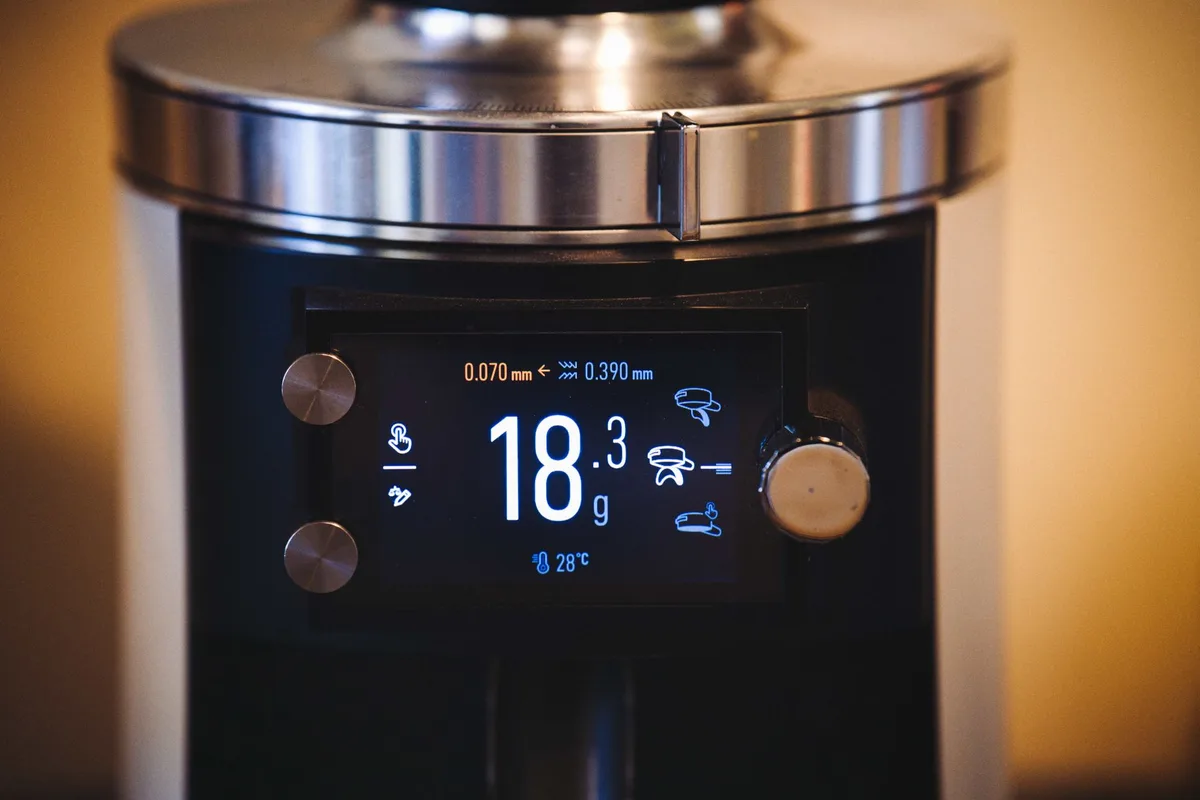
Image source: Pexels / yun zhu (Pexels License)
Why Dose Size Matters More Than You Think
The dose is the amount of ground coffee you use for a single brew. It’s measured in grams, and it directly affects the strength, flavor, and extraction of your coffee.
Here’s the thing: changing your dose changes your brew time. It changes the water-to-coffee ratio. It even changes how the water flows through the coffee bed.
If your dose is too small, water rushes through, and you get sour, under-extracted coffee. If your dose is too large, water struggles to pass, and you get bitter, over-extracted coffee.
But here’s what surprises most people: the dose also affects your grinder’s performance. A consistent dose ensures the burrs grind evenly. It prevents retention and clumping.
So, getting the dose right isn’t just about taste, it’s about machine health.
The Barista’s Secret: Weight Over Volume
For years, people used scoops to measure coffee. That’s a mistake. Bean density varies by roast.
A light roast is denser than a dark roast. So, one scoop of light roast weighs more than one scoop of dark roast. Volume is inconsistent.
Weight is not.
That’s why every serious coffee enthusiast uses a scale. If you’re not weighing your dose, you’re guessing. We don’t guess.
We measure.
Understanding Grind Size and Its Impact
Before we jump into dose adjustment, we need to talk about grind size. The two are connected. In fact, you can’t properly adjust one without considering the other.
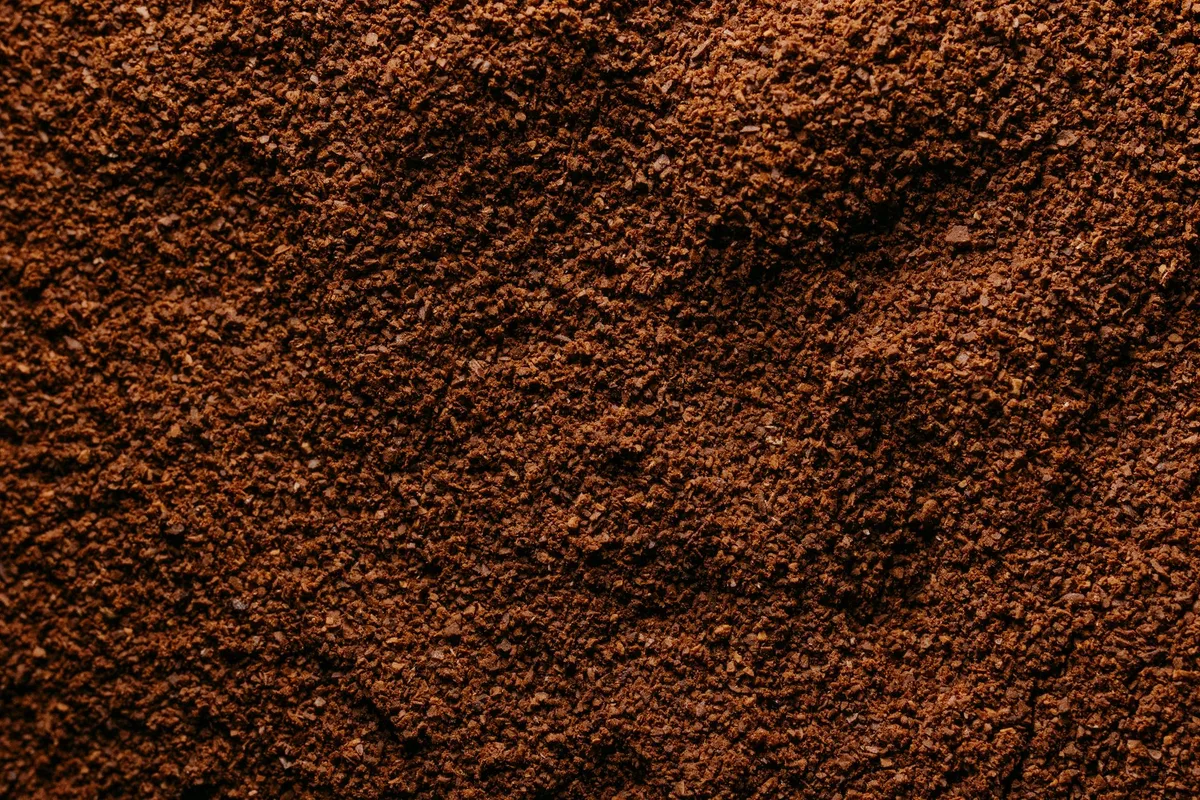
Image source: Pexels / Jonathan Borba (Pexels License)
Grind size controls the surface area of the coffee. Finer grinds mean more surface area. That means faster extraction.
Coarser grinds mean less surface area. That means slower extraction. Wait, did I get that backwards?
Let me clarify.
Finer grinds pack tighter. Water takes longer to pass through. That increases extraction time.
Coarser grinds have bigger gaps between particles. Water flows faster. That decreases extraction time.
The goal is to balance grind size and dose so your extraction hits the sweet spot, usually around 18, 22% of the coffee dissolving into the water.
Here’s the golden rule: if you change your grind size, you often need to change your dose to compensate. A finer grind requires a slightly smaller dose. A coarser grind can handle a larger dose.
This is the balancing act of espresso. Nail it, and your shots will sing.
Types of Coffee Grinders and Their Dose Systems
Not all grinders are created equal. The way you adjust dose depends entirely on the type of grinder you own. Let’s break down the big three.
1. Manual Hand Grinders
These are the simplest. You crank a handle, and coffee falls into a catch cup or directly into your portafilter. Dose adjustment is usually manual, you simply grind for a set amount of time or count rotations.
Most manual grinders have a clear dose cup. You fill it, weigh it, and adjust based on how much you need. Some high-end models have a click-based system that adjusts both grind size and dose.
But generally, you’re in full manual control.
2. Electric Burr Grinders with Timers
This is where dose adjustment gets tricky. These grinders use a timer to control how long the motor runs. The longer the motor runs, the more coffee you get.
It sounds straightforward, but there’s a catch.
The output per second changes as the hopper empties. A full hopper pushes beans down faster. An almost-empty hopper means fewer beans pass through per second.
So, a timer that gives you 18 grams today might give you 16 grams tomorrow. The workaround? Weigh your output every time.
If it’s off, adjust the timer or the dose dial accordingly.
Many grinders have a small dial or button labeled “DOSE” or “TIME.” This adjusts the grind duration in 0.1-second increments. It’s precise, but it requires regular recalibration.
3. Grinders with Dose-by-Weight Technology
These are the premium machines, often found in high-end cafes. They have a built-in scale that stops the grinder when the target weight is reached. No timers.
No guesswork. Just consistent, precise doses every single time.
If you own one of these, adjusting the dose is as simple as entering the target weight on the digital display. The grinder does the rest. It’s expensive, but it’s the gold standard.
Step-by-Step: Adjusting Dose Size on Your Grinder
Let’s get into the practical stuff. Here’s a universal method that works for most grinders. Whether you’re using a budget electric grinder or a commercial beast, these steps will guide you.
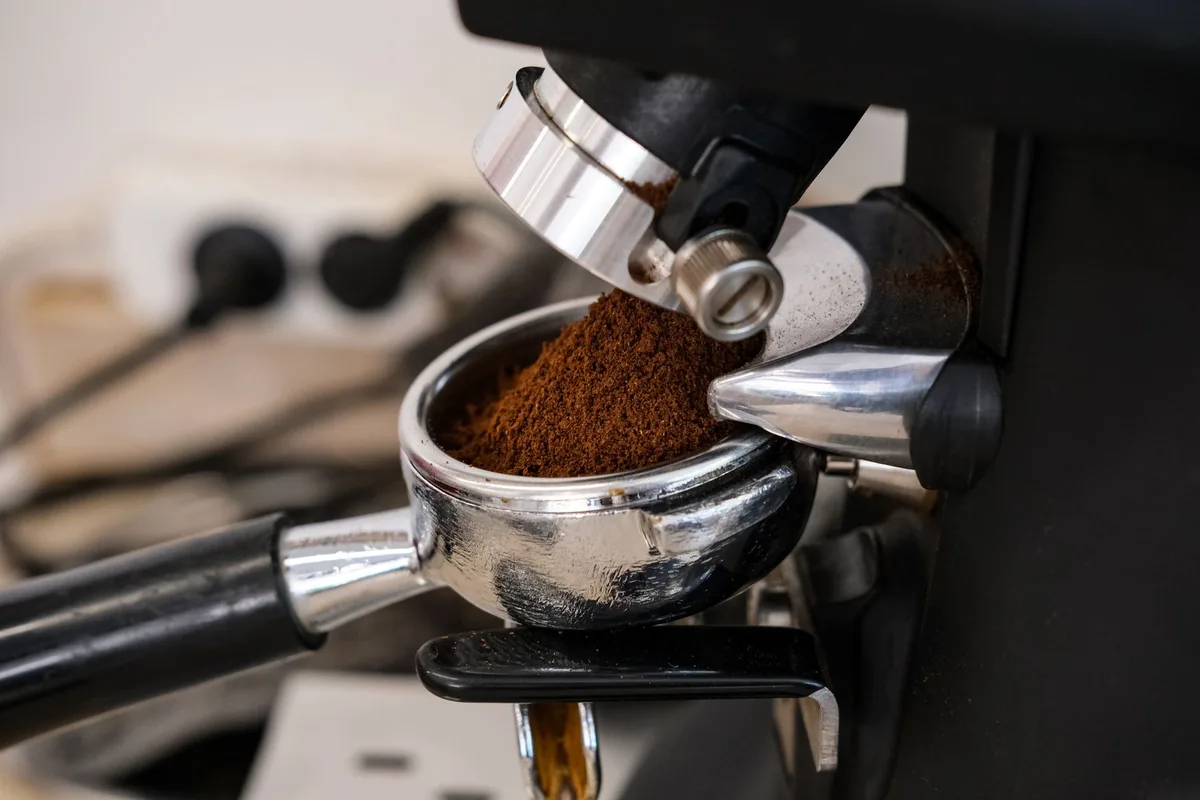
Image source: Pexels / Esra Afşar (Pexels License)
Step 1: Weigh Your Current Dose
Start with a blank slate. Place your portafilter or catch cup on a digital scale. Zero it out.
Grind a dose using your current settings. Weigh the output. Write it down.
This is your baseline.
Step 2: Determine Your Target Dose
What are you brewing? For espresso, a standard single shot is 7, 9 grams. A double shot is 14, 18 grams.
For pour-over, the standard ratio is 1:16 (coffee to water). So, for 300ml of water, you’d want about 18, 19 grams of coffee.
If you’re dialing in a new coffee, start with a mid-range dose. For espresso, that’s usually 18 grams in a double basket. Adjust from there.
Step 3: Adjust the Timer or Dose Setting
If your grinder has a timer, find the dose adjustment control. It might be a plus/minus button or a rotating dial. Increase or decrease the grind time based on how far off you are.
A good rule of thumb: if you need 0.5 grams more coffee, add about 0.2, 0.3 seconds of grind time. If you need 2 grams less, reduce the time by a full second. Make small changes.
Precision is key.
Step 4: Purge the Grinder
Here’s a step most people skip. After adjusting the dose, run the grinder for a few seconds and discard the ground coffee. This clears out any stale grounds left in the burrs or chute.
It ensures that your next dose is fresh and accurate. Do this every time you change the dose.
Step 5: Re-weigh and Refine
Grind another dose. Weigh it. See if it matches your target.
If it’s still off, adjust again. Repeat until you hit the exact weight. Once you find the right setting, write it down.
Keep a little logbook. Future you will be grateful.
Common Mistakes When Adjusting Dose
Even experienced baristas slip up. Here are the most common mistakes I see, and how to avoid them.
Mistake #1: Adjusting Dose Without Weighing
You can’t eyeball 18 grams. It’s not possible. Please, use a scale.
It’s the only way to be consistent.
Mistake #2: Ignoring the Grind Size When Changing Dose
Remember, dose and grind size work together. If you increase the dose significantly, you might need to make the grind slightly coarser. Otherwise, the puck will be too dense, and water will channel.
Mistake #3: Forgetting to Purge
Stale coffee sits in the chute. If you don’t purge, that stale coffee ends up in your fresh dose. It tastes like regret.
Purge every time.
Mistake #4: Changing Multiple Variables at Once
Let’s say your espresso is bitter. You change the grind size, adjust the dose, and change the water temperature all at once. How do you know which one fixed it?
You don’t. Change one variable at a time. It’s called the scientific method, and it works for coffee too.
Dialing In: Adjusting Dose for Espresso
Espresso is the most demanding brew method. It requires precision. Let’s walk through a typical dial-in session.
Step 1: Start with a Baseline
Set your grinder to a medium-fine setting. Dose 18 grams into your double basket. Tamp evenly.
Pull a shot. Time the shot from the moment you hit the pump. Aim for 25, 30 seconds.
Step 2: Evaluate the Flow
Does the espresso drip slowly like honey? That’s good. Does it gush out like a waterfall?
That’s too fast. Does it barely come out? That’s too slow.
Step 3: Adjust the Dose (or Grind)
Here’s the key: if the shot runs too fast (under 20 seconds), you have two options. You can grind finer, or you can increase the dose. Increasing the dose adds resistance, which slows the flow.
If the shot runs too slow (over 35 seconds), grind coarser or decrease the dose.
Between the two? Adjust the dose first. It’s often easier to fine-tune the weight than to change the grind size repeatedly. Once the dose feels right, make small grind adjustments to fine-tune the flavor.
Step 4: Taste and Repeat
Taste every shot. Look for balance. You want a nice sweetness with a clean finish.
If it’s sour, your extraction is too fast, increase the dose or grind finer. If it’s bitter, decrease the dose or grind coarser. Iterate until it tastes amazing.
Dose Adjustment for Filter and Pour-Over
Dose isn’t just an espresso thing. It matters for filter coffee too. The ratio is different, but the principle is the same.
Finding the Right Ratio
A standard filter coffee ratio is 1:15 to 1:17 (coffee to water). Start at 1:16. So, for a 500ml brew, use 31.25 grams of coffee.
Weigh your water, weigh your coffee, and adjust from there.
Adjusting the Grinder for Filter
If your brewed coffee tastes weak and watery, you need more coffee. Increase the dose by 2 grams. If it tastes heavy and muddy, decrease the dose.
For pour-over, grind size matters even more than dose. So, adjust the dose first, then dial in the grind.
How to Adjust Dose on a Commercial Grinder
Commercial grinders, like those from Mahlkönig or Mazzer, have dedicated dose dials. They’re designed for speed and consistency.
Timer-Based Dosing
Most commercial grinders have a programmable timer. You press a button, and it grinds for a set time. To adjust the dose, press the programming button, enter the new time, and confirm.
It’s usually a simple three-step process.
Dose-by-Weight
If your commercial grinder has a built-in scale, just set the target weight on the display. The grinder automatically stops at that weight. Some models even adjust for coffee density over time.
It’s the ultimate convenience.
The Role of Seasonal Coffee in Dose Adjustment
Here’s a curveball: your coffee changes with the seasons. Freshly roasted beans expel CO2 for a few weeks after roasting. This gas affects how the coffee extracts.
Lightly Roasted vs. Darkly Roasted
Light roasts are denser. They require a larger dose by weight to take up the same volume in the basket. Dark roasts are less dense.
They require a smaller dose. If you switch roasts, you’ll need to re-dial your dose.
Age of the Beans
Freshly roasted beans (1, 2 weeks old) behave differently than older beans (4, 6 weeks old). Fresh beans bubble and bloom. They can handle a slightly larger dose.
Older beans are more stable but may require a finer grind or a different dose. Always re-check your dose when you open a new bag.
Using a Scale: Mandatory for Dose Accuracy
I’ve said it before, but it’s worth repeating: use a scale. Here’s why.
Speed and Accuracy
A scale gives you a precise reading in under a second. You can adjust your dose in real-time. A mechanical timer just can’t compete.
Consistency Across Breaks
Coffee is a natural product. It changes. A scale helps you adapt.
You’ll get the same great taste every morning, even when the beans are different.
What Scale to Buy
Look for a scale that measures to 0.1 grams. It should read in under a second. It should be stable and compact.
You don’t need anything fancy. A basic jewelry scale works fine for home use.
Frequently Asked Questions
Q: How often should I adjust my coffee grinder dose?
Every time you switch coffees, the dose needs to be re-checked. In general, check your dose at least once a week. Coffee beans lose moisture over time, changing their density and weight.
Q: What is the ideal dose size for 2 shots of espresso?
A standard double shot is 14, 18 grams. Start with 18 grams if you’re using a modern basket. Adjust based on your taste and the grind size.
Q: Can I adjust the dose without a scale?
You can, but it’s inaccurate. A scale is essential for consistency.
Q: Why does my grinder produce inconsistent doses?
As the hopper empties, grind time output changes. Clean your grinder often and purge before each new dose. The type of grind size also affects output.
Q: Why is my coffee bitter—is it the dose or the grind?
Bitter coffee usually means over-extraction. Try a smaller dose first. If that doesn’t fix it, make your grind coarser.
Check with your local coffee shop’s barista for advice if you are stuck. For a great reference on brewing standards, take a look at the National Coffee Association’s brewing guidelines, which covers golden ratios and proper extraction.
Q: How do I adjust dose size on a grinder with no timer?
Use the manual grind function or a single-dose load. Weigh beans before you put them in the hopper. Grind all of it.
This gives you a consistent dose every time.
Maintaining Your Grinder for Consistent Doses
A clean grinder is a consistent grinder. Coffee oils build up on the burrs and affect the grind size over time. Here’s your maintenance routine.
Clean the Burrs Monthly
Take apart the grinder and brush off the burrs with a stiff brush. Use a specialized coffee grinder cleaner if you can. Avoid water.
You’ll ruin the burrs.
Check the Anti-Static Screen
Many grinders have a small screen that can get clogged. If the output is inconsistent, check this.
Replace Your Burrs When Needed
Burrs wear out. A set lasts about 500 kilograms of coffee. After that, they need to be replaced.
Dull burrs produce fines, and the grind becomes uneven. This makes consistent dosing impossible.
Finding Your Perfect Dose: Trial and Error
Look, there’s a reason the “dose map” doesn’t exist. Coffee is personal. We like what we like.
Some of us crave a strong, syrupy espresso. Others prefer a lighter, more delicate cup. The beauty of home brewing is the freedom to personalize.
Start with a standard ratio. Use 18 grams for espresso and 1:16 for filter. Then, adjust, taste, and adjust again.
Don’t be afraid to experiment. One gram can make a huge difference. The best cup of coffee you’ve ever made might be just one gram away.
Final Thoughts on Adjusting Dose Size
The dose is the unsung hero of good coffee. We obsess over grinders and beans, but the dose is what makes it all work. Use a scale.
Make small adjustments. Purge the grinder. Keep notes.
Be patient.
When you get the dose right, everything else falls into place. The extraction gets smoother. The flavors get brighter.
And your morning ritual becomes a little more magical.
So, grab your grinder, set your scale, and start dialing in. Your perfect cup is waiting.