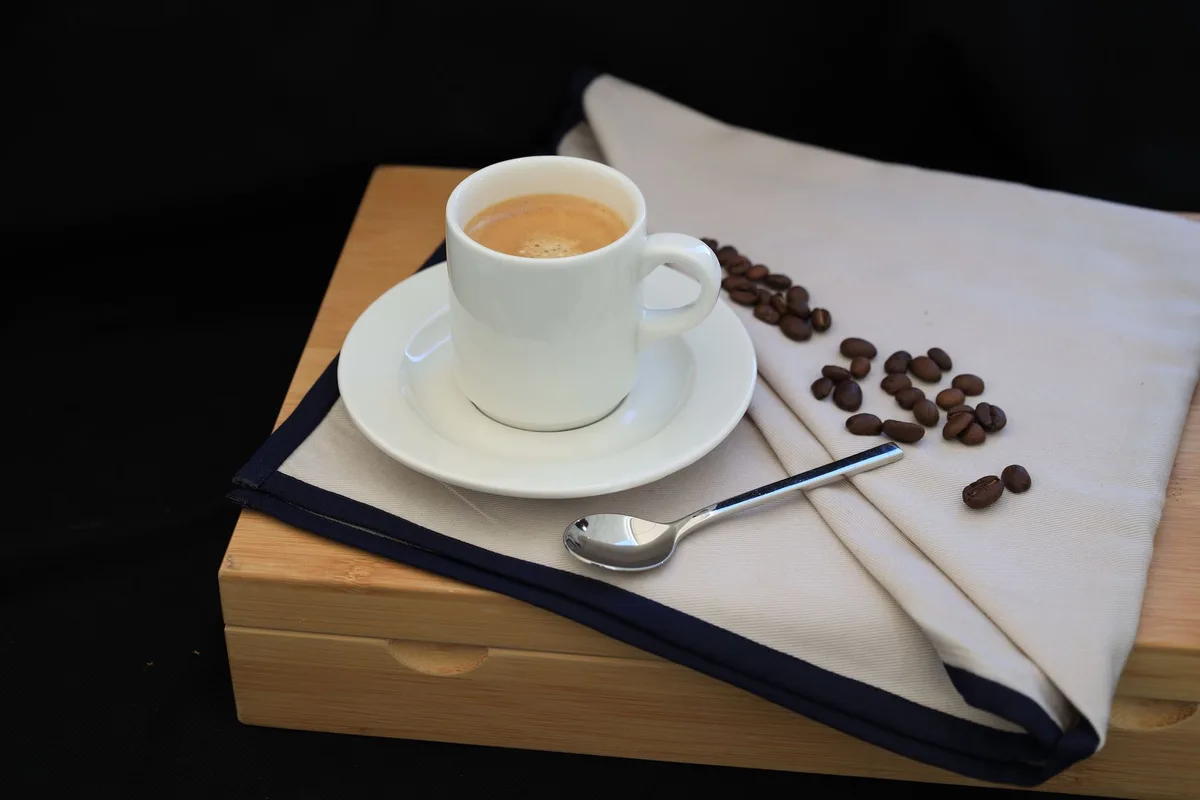
Image source: Pexels / Shameel mukkath (Pexels License)
How to make double espresso coffee
You want a real double espresso. Not a watery lungo. Not a burnt, bitter disaster that makes you wince.
You want that thick, syrupy shot with a deep hazelnut crema and a punch of caffeine that actually wakes you up.
Good news: making a proper double espresso at home isn’t rocket science. It takes the right gear, the right beans, and a little bit of technique. Once you nail the fundamentals, you’ll never want to go back to that sad office machine again.
In this guide, I’ll walk you through every step. We’ll cover the equipment, the beans, the grind, the timing, and the exact pulling process. I’ll also throw in some troubleshooting because let’s face it, your first few shots might be rough.
That’s normal. Let’s fix that.
What Exactly Is a Double Espresso?
Before we start pulling shots, let’s get the terminology straight. A double espresso is simply two shots of espresso pulled into one cup. It uses about 18 to 20 grams of ground coffee and yields roughly 36 to 40 grams of liquid.
The Specialty Coffee Association has clear standards here. A single shot uses 9 grams of coffee. A double uses 18 grams.
The brew ratio should be around 1:2, meaning if you put in 18 grams of dry coffee, you want about 36 grams of liquid espresso out.
The extraction time matters too. A well-pulled double shot should take between 25 and 30 seconds. If it runs faster, your grind is too coarse.
If it drips slower, your grind is too fine. We’ll dig deeper into that later.
Why go double? Simple. It’s the standard for most espresso-based drinks like lattes, cappuccinos, and americanos.
It also gives you a fuller flavor profile and a proper caffeine kick. One single shot just doesn’t cut it for most coffee lovers.
What You Need to Make Double Espresso
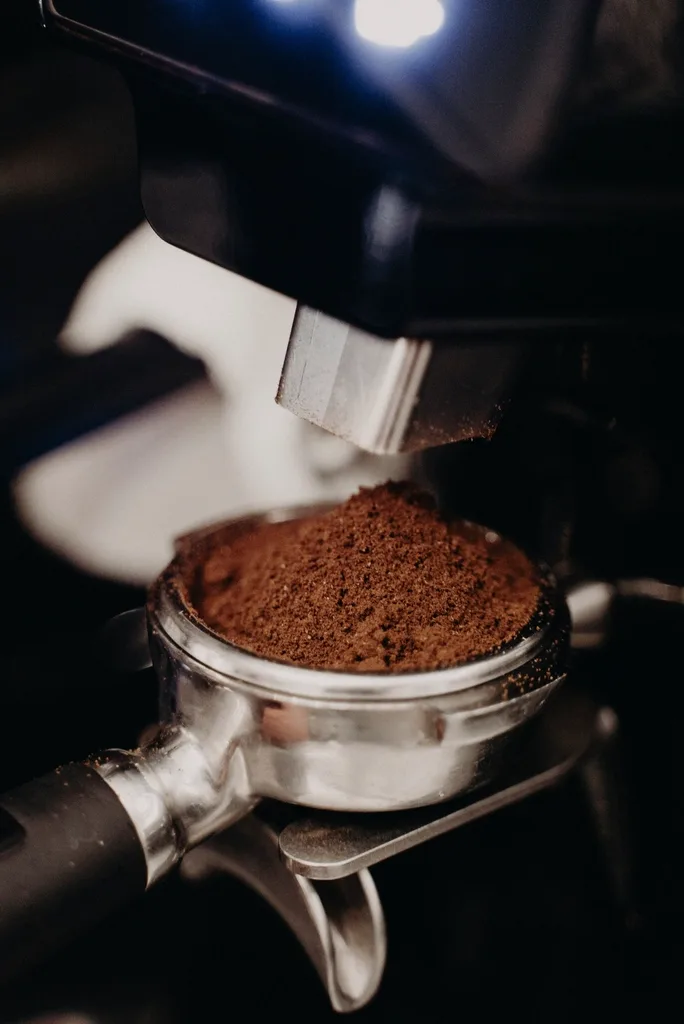
Image source: Openverse / Openverse contributor
You can’t pull a great double shot with just any equipment. Here’s what you genuinely need.
The Espresso Machine
This is the big one. An espresso machine forces hot water through finely ground coffee at high pressure, usually 9 bars. You have a few options here.
Manual lever machines give you total control but have a steep learning curve. Semi-automatic machines handle the pressure for you while you control the grind and timing. Fully automatic machines do most of the work but often leave you with less control over flavor.
For beginners, I recommend a decent semi-automatic machine. Brands like Gaggia, Rancilio, and Breville make solid entry-level models. You don’t need to drop thousands of dollars to get a good shot, but you do need a machine that can maintain consistent pressure and temperature.
A Quality Burr Grinder
Here’s the truth: your grinder matters more than your machine. A blade grinder chops beans unevenly, which leads to over-extracted and under-extracted coffee in the same shot. That tastes awful.
You need a burr grinder. It crushes beans between two abrasive surfaces, producing uniform particle sizes. This consistency is non-negotiable for espresso.
Look for a grinder with fine adjustment settings. Espresso requires a very fine grind, think table salt or slightly finer. If your grinder only has a few settings, you’ll struggle to dial in your shot.
Fresh Coffee Beans
Skip the pre-ground stuff. Seriously. Coffee starts losing its flavor compounds almost immediately after grinding.
You want whole beans that you grind right before pulling your shot.
Choose beans roasted for espresso. These are usually roasted a bit darker to bring out caramelized sugars and reduce acidity. Look for a roast date on the bag.
Anything older than three to four weeks is past its prime.
The Right Portafilter and Basket
Most machines come with a double-shot basket. It’s wider and shallower than the single basket, designed to hold around 18 grams of coffee. Make sure you’re using the right basket, or your extraction will be all over the place.
A Kitchen Scale
This might seem obsessive, but it’s essential. Eyeballing your coffee dose leads to inconsistent shots. A cheap digital scale accurate to 0.1 grams will transform your espresso game.
Measure your coffee input and your liquid output. Trust me on this. Once you start weighing everything, your shots become repeatable and predictable.
A Tamper
The tamper compresses the ground coffee into a puck inside the portafilter. You want one that fits your basket snugly. A standard 58mm tamper works with most commercial-sized machines, but check your specific model.
Additionally, grab a tamper mat to protect your countertops and a knock box for knocking out spent pucks.
Water and a Timer
Use filtered water if possible. Espresso is mostly water, so its quality matters. Avoid distilled water, it lacks minerals that help extraction.
As for the timer, most espresso machines have one built in. If yours doesn’t, use your phone. Timing is critical for consistent extraction.
Choosing the Right Coffee Beans for Espresso
Not all beans are created equal when it comes to espresso. Here’s what I look for.
First, check the roast level. Medium to medium-dark roasts work best. They offer enough development to create that rich, chocolatey flavor without tasting burnt.
Light roasts can be too acidic and bright for traditional espresso. Dark roasts often taste ashy and one-dimensional.
Next, consider the origin. Single-origin beans showcase unique regional flavors but can be unpredictable. Blends are more forgiving.
Roasters craft espresso blends specifically to balance acidity, sweetness, and body. As a beginner, start with a reputable espresso blend.
Also, pay attention to the processing method. Washed beans tend to be cleaner and brighter. Natural-processed beans offer more fruity, fermented flavors.
Both can make excellent espresso, it’s about personal preference.
One more thing: buy whole beans and grind them fresh. We’ve already covered this, but it bears repeating. Pre-ground coffee is stale by the time you open the bag.
How to Pull a Double Shot of Espresso
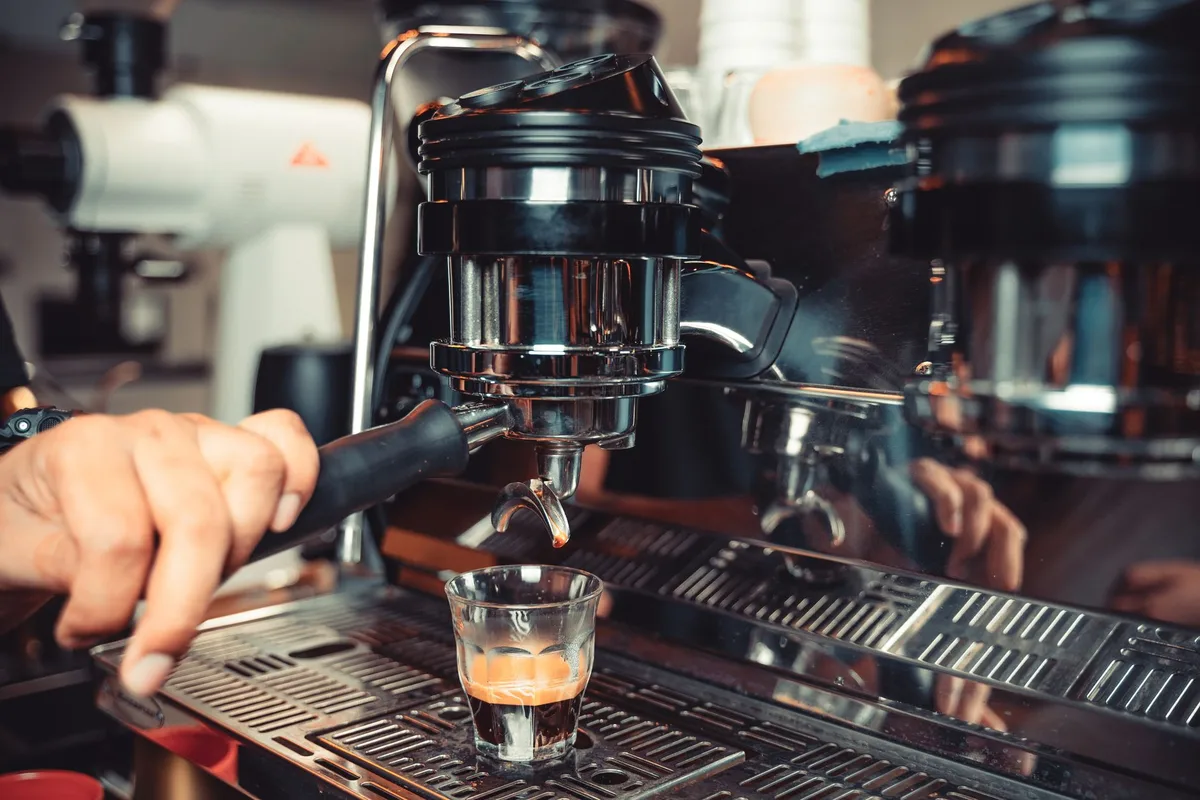
Image source: Pexels / Denys Gromov (Pexels License)
Now for the main event. Follow these steps in order, and you’ll be pulling gorgeous double shots in no time.
Step 1: Preheat Everything
Turn on your espresso machine and let it fully heat up. Most machines take 15 to 20 minutes to reach optimal temperature. Yes, that long.
Don’t rush this step.
Meanwhile, place your portafilter on the group head. This warms it up so your coffee stays at the right temperature during extraction. Cold metal saps heat from the shot, ruining the flavor.
Step 2: Weigh and Grind Your Coffee
Now for the coffee. Set your scale to zero and place the empty portafilter on it. Weigh out 18 to 20 grams of whole beans.
The exact amount depends on your basket size and personal taste, but 18 grams is a solid starting point.
Grind the beans into the portafilter. The grind should be fine, similar to table salt. If your shots run too fast or too slow, adjust accordingly.
We’ll cover dialing in later.
Step 3: Distribute the Grounds
This step gets skipped way too often. If your grounds are uneven in the basket, water will find channels and extract unevenly. That causes sour or bitter flavors.
Use a distribution tool or simply tap the portafilter gently to level the coffee. Then use your finger or a small tool to break up any clumps. The goal is a flat, even bed of coffee.
Step 4: Tamp with Consistent Pressure
Place the portafilter on a flat, stable surface. Hold the tamper like you’re gripping a doorknob. Apply firm, even pressure straight down.
Aim for about 30 pounds of force, though consistency matters more than strength.
The key is keeping the tamper level. If you tamp at an angle, the coffee bed will be uneven. That leads to channeling and poor extraction.
After tamping, give the portafilter a light polish by twisting the tamper slightly.
Step 5: Lock In and Start the Shot
Wipe any loose grounds from the rim of the portafilter. This ensures a proper seal with the group head. Lock the portafilter in place.
Place your cup or scale under the spouts. Start the shot and immediately begin timing. The golden window is 25 to 30 seconds.
Watch the extraction closely. The espresso should flow like warm honey, thin at first, then thickening into a beautiful dark stream with a golden crema.
Step 6: Monitor Your Yield
As the shot flows, watch your yield. You’re aiming for about double your coffee dose. So, 18 grams of coffee should produce around 36 grams of liquid espresso.
When you hit that target, stop the shot. Most machines have a manual stop button. If you’re using a scale with a timer, you can stop automatically.
Step 7: Serve Immediately
A double espresso waits for no one. The crema starts breaking down within seconds. Pour it into a pre-warmed cup and drink it right away.
The flavors degrade quickly as the shot cools.
Dialing In Your Espresso: Grind Size and Ratios
Here’s where things get personal. Dialing in means adjusting your grind and dose to taste perfect. The process takes some trial and error, but it’s straightforward.
Start with a 1:2 ratio, 18 grams in, 36 grams out in about 27 seconds. Pull a shot and taste it.
If the espresso tastes sour, it’s under-extracted. The water didn’t pull enough flavor out of the coffee. Fix this by making your grind finer.
This increases extraction time.
If the espresso tastes bitter, it’s over-extracted. The water pulled too much harsh, bitter compound out of the coffee. Fix this by making your grind coarser.
This decreases extraction time.
The ratio matters too. A 1:2 ratio produces a balanced, traditional shot. A 1:2.5 or 1:3 ratio (more water) creates a lighter, more diluted shot.
A 1:1.5 ratio produces a concentrated, intense ristretto.
Play around with these variables. Write down what you change and how it tastes. Over time, you’ll develop a feel for your equipment and your taste preferences.
Common Mistakes and Troubleshooting
Even experienced baristas mess up shots. Here are the most common problems and how to fix them.
Shot Runs Too Fast
Your extraction time is under 20 seconds. The coffee tastes thin and sour. This means the water pushed through too quickly.
Your grind is too coarse. Grind finer and try again.
Shot Runs Too Slow
Your extraction time drags past 30 seconds. The coffee tastes bitter and heavy. The water struggled to pass through.
Your grind is too fine. Grind coarser and retry.
No Crema on Your Espresso
Crema is the golden layer on top of a fresh shot. If it’s missing, your beans might be old. Stale beans don’t produce crema.
Also, check your machine pressure and water temperature.
Channeling or Spraying
If your espresso sprays out of the portafilter or pours unevenly, you have channeling. Water found a weak spot and rushed through it. Fix this by improving your distribution and tamping technique.
Make sure the coffee bed is perfectly level before tamping.
Sour-Tasting Shots
Sourness points to under-extraction. Try a finer grind, a longer extraction time, or a higher water temperature. Sometimes your dose is too high, so reduce it slightly.
Bitter-Tasting Shots
Bitterness points to over-extraction. Try a coarser grind, a shorter extraction time, or a lower water temperature. A slightly smaller dose can also help.
The Machine Isn’t Maintaining Pressure
Check your machine’s pressure gauge during extraction. Ideal pressure is around 9 bars. If it spikes or drops, clean your machine and check for clogs in the group head.
Pulling a Double vs. Single Shot
You might be wondering why anyone would bother with a single shot. A single espresso uses half the coffee, around 9 grams, and produces about 18 grams of liquid. It extracts faster, usually in 20 to 25 seconds.
In practice, the double shot is better in almost every way. It allows for a more balanced extraction because the coffee bed is deeper. That depth creates more resistance, which promotes even water flow.
Single shots often taste thin and sour because the shallow coffee bed can’t build enough pressure. That’s why most specialty coffee shops don’t even offer single shots. They’re finicky and unsatisfying.
For home use, always make a double. It’s easier to get right, and you get more coffee for your effort. If you want a smaller drink, make a cortado by adding warm milk to your double shot.
Espresso vs. Coffee Drinks: Where a Double Fits
A double espresso is the building block for many popular drinks. Here’s where it fits into the cafe menu.
An Americano is a double shot diluted with hot water. It mimics the strength of drip coffee but retains espresso’s complex flavor.
A macchiato is a double shot topped with a dollop of milk foam. It’s bold and intense with just a whisper of creaminess.
A cappuccino combines a double shot with equal parts steamed milk and milk foam. It’s a balanced, airy drink.
A latte uses a double shot with more steamed milk and a thin layer of foam. It’s milk-forward and smooth.
The point is, mastering the double shot opens the door to every espresso-based drink. Once you can pull a consistent shot, you can build anything.
How to Clean and Maintain Your Equipment
A clean machine makes good espresso. A dirty machine ruins it. Here’s your basic upkeep routine.
After each shot, knock out the spent puck and rinse the portafilter under hot water. This removes coffee oils that go rancid and add bitterness.
Wipe the group head with a clean cloth. Reinsert the portafilter to keep it warm for the next shot.
Once a week, backflush your machine. Use a blind basket and a cleaning tablet designed for espresso machines. This cleans the internal plumbing and removes coffee residue.
Your grinder needs love too. Brush out the burrs regularly to remove trapped coffee particles. Every few months, consider disassembling the grinder for a deep clean.
Replace your water filter regularly if your machine has one. Scale buildup inside the boiler ruins both machine performance and coffee flavor.
Final Tips for Perfect Double Espresso at Home
Let’s wrap this up with some hard-won wisdom.
Invest in a good grinder before upgrading your machine. You can pull a decent shot on a budget machine with a great grinder, but never the other way around.
Use a scale every single time. Weigh your beans before grinding and weigh your liquid after. Consistency is the secret to great espresso.
Keep a notebook. Write down your dose, grind setting, yield, and extraction time. Note what you changed and how the shot tasted.
This turns trial and error into a reliable system.
Preheat your cup. A cold cup saps the heat from your espresso, dulling the flavor.
Clean as you go. Espresso residue builds up fast. A clean setup leads to clean flavors.
Don’t chase perfection. Espresso is subjective. If you enjoy your shot, that’s all that matters.
Use recipes as starting points, not rigid rules.
And remember, the pull time is just a guide. Focus on how the shot tastes, not just how long it took. The numbers help you stay consistent, but your palate is the final judge.
Making Your First Double Shot: Quick Reference
Here’s a quick checklist for your first attempt:
- Preheat the machine and portafilter.
- Grind 18 grams of fresh espresso beans finely.
- Distribute the grounds evenly in the basket.
- Tamp firmly with a level, consistent motion.
- Lock in the portafilter and start the shot.
- Extract for 25 to 30 seconds until you reach 36 grams of liquid.
- Stop the shot and serve immediately.
That’s it. Nail this process, and you’ll be pulling cafe-quality double espressos in your kitchen.
Remember, the first shot rarely comes out perfect. That’s expected. Adjust, taste, and adjust again.
Each shot teaches you something. Before long, you’ll be the person your friends call for espresso advice.
Now go heat up that machine and get pulling.
1 thought on “How to Make Double Espresso Coffee”