You press the button. You hear the gurgle. A few minutes later, you’ve got a hot cup of coffee.
It feels like magic, but it’s actually a clever sequence of physics and engineering. Whether you’re using a $20 drip machine or a $2,000 espresso setup, the core question remains: how does a coffee maker work?
The short answer is that every coffee maker does three things: it heats water, moves that water through ground coffee, and separates the liquid from the grounds. But the how differs wildly depending on the machine. Let’s pull back the curtain and look at the actual mechanics.
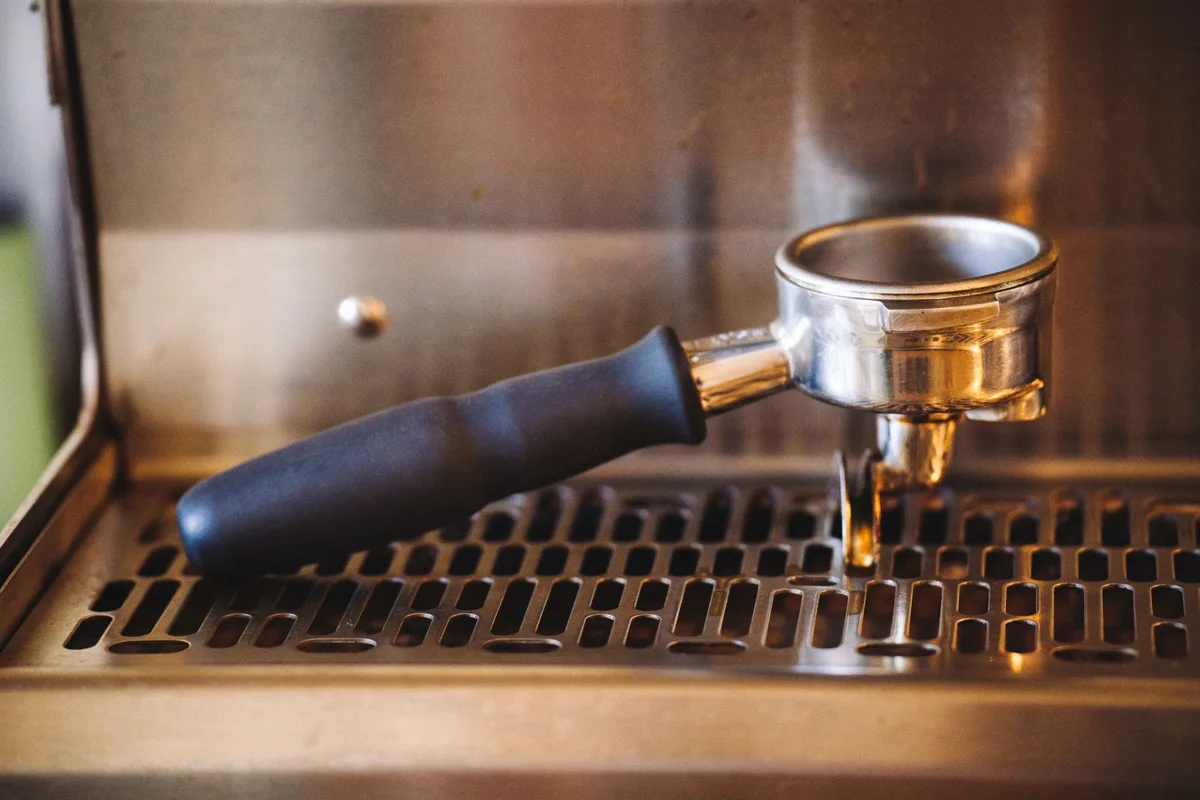
Image source: Pexels / yun zhu (Pexels License)
The Basic Principle: Extraction
Before we get into pumps and boilers, you need to understand extraction. This is the process where water pulls flavor, oils, and caffeine out of roasted coffee grounds. You’re essentially dissolving soluble compounds.
The water temperature, contact time, and pressure all change what ends up in your cup.
- Under-extraction (water too cold or too fast) gives sour, weak coffee.
- Over-extraction (water too hot or too slow) gives bitter, harsh coffee.
The coffee maker’s only job is to control those variables so you get a balanced cup. Different machines do this differently, but they all start with the same two elements: water and heat.
How a Standard Drip Coffee Maker Works
This is the machine sitting on most American countertops. It’s simple, cheap, and reliable. Here’s the step-by-step journey of the water.
1. The Cold Water Reservoir
You pour water into the back of the machine. This tank feeds the rest of the system by gravity or a small inlet valve. It holds enough water for a full carafe, usually between 4 and 12 cups.
2. The Heating Element
This is the heart of the machine. Inside the base sits a coiled metal heating tube. Think of it like the element in an electric kettle.
When you flip the switch, electricity flows through the coil, and resistance creates heat.
The water from the reservoir drips into this tube. It heats up rapidly, reaching around 195°F to 205°F. That’s the Sweet Spot for coffee extraction.
If it goes too hot, you’ll scorch the grounds. If it’s too cool, you’ll get weak coffee.
3. The One-Way Valve and the Bubble Pump
Here’s where it gets clever. The heated water expands and turns into steam. That steam creates pressure.
The machine has a one-way valve that prevents the water from flowing backward into the reservoir.
So where does the water go? It gets pushed up a narrow tube toward the shower head. As new water heats up, it pushes the hotter water ahead of it.
It’s a continuous cycle. This is called a “bubble pump” or “percolator effect.” The bubbling action drives the water upward without needing a mechanical pump.
4. The Shower Head and Filter Basket
The hot water reaches the top and drips out through a shower head. It spreads evenly over the coffee grounds sitting in a paper or metal filter.
The water saturates the grounds, dissolving the coffee solids. Then gravity pulls the liquid through the filter and down into the carafe below. The whole process takes about 4 to 6 minutes for a full pot.
5. The Warming Plate
Once the coffee lands in the glass carafe, it sits on a warming plate. This is simply a low-wattage heating element that keeps the coffee between 140°F and 160°F. It prevents your brew from going cold while you finish your toast.
The one thing to remember: a drip machine relies entirely on gravity and steam pressure. There’s no concentrated force pushing water through the grounds. This is why drip coffee is less intense than espresso, the extraction happens at normal atmospheric pressure.
How a Single-Serve Pod Machine Works (Keurig-style)
These machines took over offices for one reason: convenience. They use pre-packaged pods, which means no measuring and no mess. The internal logic is similar to a drip machine, but with a closed, pressurized system.
- Water storage: A reservoir holds a few quarts of water.
- Instant heating: Instead of a reservoir tube, these machines use a flash heater. Water is pulled from the tank and pushed through a small heating block instantly.
- Pumping: A small electric pump forces the hot water through a needle that punctures the pod.
- Pressure cycle: The water is forced through the pod at about 2 to 3 bars of pressure. That’s higher than a drip machine, but far lower than a true espresso machine.
- Delivery: The brewed coffee drips straight into your mug in under a minute.
These machines are fast because they don’t boil a full tank of water. They only heat what you need, when you need it. They also use a PID controller (a type of temperature sensor) to keep the water within a narrow range, which prevents bitter or sour shots.
How a French Press Works (Manual Immersion)
This one isn’t electric, but it’s worth covering because it explains extraction from the opposite angle. A French press doesn’t apply pressure or heat the water itself. You do the work.
- You boil water and pour it over coarse-ground coffee in a glass beaker.
- The coffee steeps in the hot water for about 4 minutes. This is full immersion, every ground is completely soaked.
- You press a mesh plunger down to separate the grounds from the liquid.
The key here is that extraction is controlled by time, not pressure. The longer the coffee steeps, the more solubles are extracted. That’s why French press coffee is heavier and has more oils in it, the metal mesh doesn’t absorb the oils like paper filters do.
How an Espresso Machine Works
Espresso is a different beast entirely. It’s not about how much water you pour; it’s about how fast you force it through. An espresso machine uses high pressure (usually 9 bars) to push water through finely-ground coffee.
That pressure extracts different compounds than a drip machine ever could.
Let’s break down the four core components of any real espresso machine.
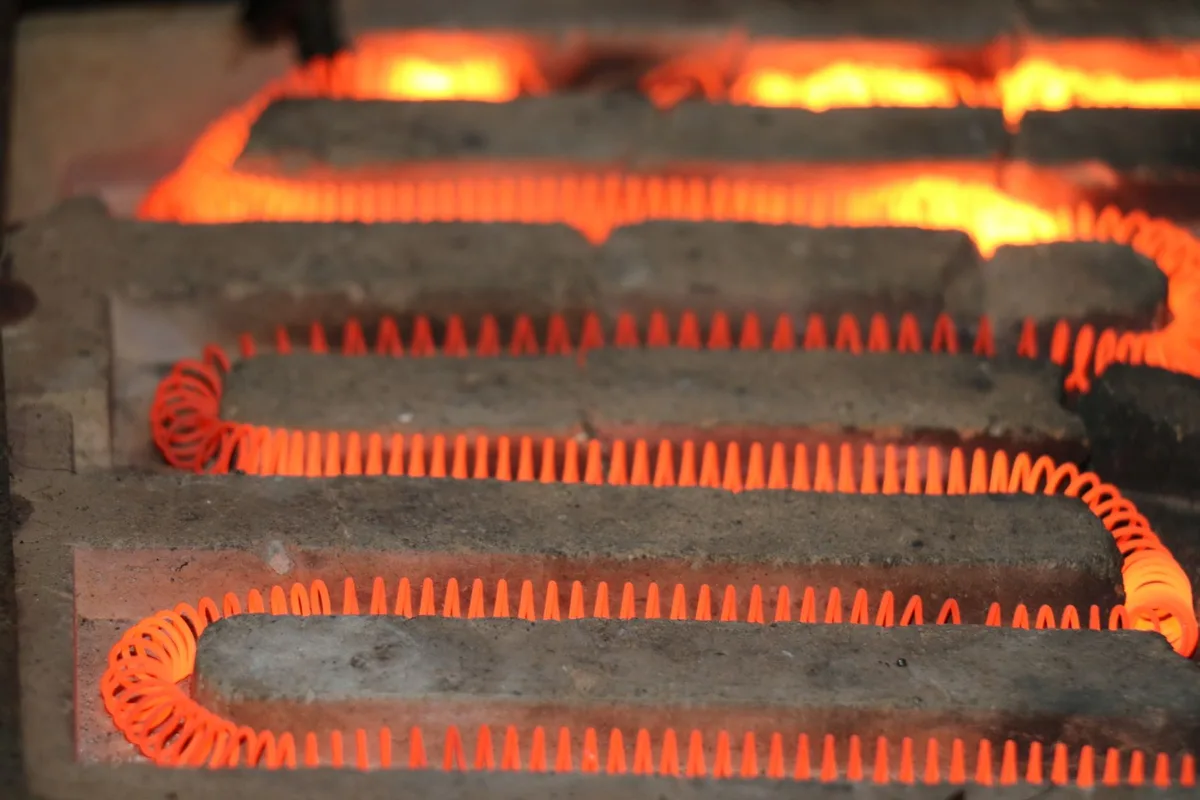
Image source: Pexels / Zulfugar Karimov (Pexels License)
The Role of the Boiler in Heating Water
The boiler is the big metal tank inside the machine. It holds water at a constant temperature, usually around 200°F. The heating element sits directly inside the boiler, it’s basically a big immersion heater.
When you turn the machine on, the element heats the water until the thermostat cuts the power. The boiler maintains a steady temperature because the metal is a great heat reservoir. Once you pull a shot, cold water from the reservoir enters the boiler, and the element kicks back in to reheat it.
Homes with hard water often struggle here. Calcium scale builds up on the heating element and acts like an insulator. That means the element has to work harder to heat the same amount of water, which can cause overheating or failure.
Regular descaling is essential.
How the Pump Generates Pressure
Here’s where a home espresso machine gets the pressure it needs.
Image source: Pexels / Richard L (Pexels License)
Most modern machines use a vibratory pump. This is a small coil with a piston inside. When electricity flows, the coil creates a magnetic field that pulls the piston.
As the magnetic field collapses, a spring pushes the piston back. This oscillating action creates pulses of pressure, kind of like a tiny hammer hitting the water.
The pump pushes cold water from the reservoir through the boiler (where it heats up) or through a heat exchanger (where it flashes to steam instantly). Then it hits the coffee.
Some high-end machines use a rotary pump instead. These are larger, quieter, and use spinning vanes to build pressure. They’re the standard in commercial cafes because they can run continuously without overheating.
Either way, the pump needs a pressure relief valve. This valve regulates the maximum pressure so the machine doesn’t explode or blow through the coffee grounds. Most home machines are set to cap out at 9 bars.
The Group Head and Portafilter
The group head is the metal block that holds the portafilter, that’s the handle with a basket on the end. You fill the basket with finely ground coffee, tamp it down flat, and lock it into the group head.
When you hit the brew switch, hot water flows from the boiler, through the group head, and into the coffee basket. The pump pushes water through at 9 bars of pressure. The water has to force its way through the tightly packed coffee grounds.
This creates a rich, syrupy liquid with a layer of crema on top, that golden-brown foam is a mix of emulsified oils and CO2.
The whole shot takes 25 to 30 seconds. If it takes longer, your grind is too fine. If it’s faster, your grind is too coarse.
The machine is doing the heavy lifting, but you control the extraction by how you grind and pack the coffee.
Steam Wand
Espresso machines also have a steam wand. It uses the same boiler, but it pulls steam from the top of the tank where pressure is highest. The steam is released through a small nozzle, creating a forceful jet.
That jet aerates milk and creates microfoam. The temperature of the steam is around 250°F, far above the boiling point of water at normal pressure.
The Science of Temperature and Pressure
Let’s talk about why these two variables matter so much.
Why Water Temperature Matters
Coffee extraction is a chemical process. Cold water won’t dissolve the aromatic oils in coffee. That’s why iced coffee is brewed hot first, then chilled.
The ideal extraction temperature is between 195°F and 205°F. Below that, you get sour, acidic notes because the acids extract first. Above that, you get bitter, ashy flavors because you’re pulling too many tannins and roasted compounds.
Most drip machines hit this range naturally. But cheaper models swing wildly, they heat up to 210°F, then drop to 180°F, then spike again. That inconsistency ruins the extraction.
Better machines use a thermoblock or PID controller to keep the temperature rock-steady.
Why Pressure Matters
Pressure changes how quickly water moves through coffee. At atmospheric pressure (like a drip machine), water takes minutes to seep through. At 9 bars, water is forced through in seconds.
High pressure also emulsifies oils. That’s why espresso has that creamy texture. The rapid pressure drop as the water exits the coffee creates a foam, the crema.
But more pressure isn’t always better. Going from 9 to 15 bars actually hurts extraction. It forces water through too fast, channeling through weak spots in the coffee puck.
You get a thin, watery shot with pale crema. That’s why many high-end machines have adjustable pressure or use pre-infusion, they slowly ramp up the pressure to saturate the grounds evenly before blasting them.
The Impact of Water Quality
People obsess over beans and grind size, but water is the most important ingredient. Coffee is 98% water, after all.
- Hard water (high in calcium and magnesium) extracts flavors better and gets better brew strength. But it scales up your heating element.
- Soft water (low in minerals) tends to under-extract. It also tastes flat.
- Chlorinated water leaves a chemical aftertaste.
The Specialty Coffee Association recommends water with a near-neutral pH and roughly 150 parts per million of total dissolved solids. That’s why so many coffee shops use filtered water systems.
Cleaning and Maintenance: The Real Secret
Here’s the brutal truth: your coffee maker works fine today, but it won’t work fine next month unless you clean it. Coffee oils go rancid. Minerals build up.
Old grounds harbor bacteria.
Daily: Rinse the carafe and the filter basket. Don’t let old coffee sit and dry into the mesh.
Weekly: Run a cycle with a cleaning solution or a mix of white vinegar and water. This dissolves oil buildup.
Monthly: Descale. Use a commercial descaler or citric acid. This removes the calcium deposits on the heating element.
If you skip descaling, the heating element works harder to heat water. That reduces brewing temperature, which leads to sour coffee. Eventually, the element burns out entirely.
That’s why a $20 drip machine can die within six months of heavy use with hard tap water.
Common Problems and What They Mean
Now that you understand the mechanics, you can diagnose issues.
- Coffee is weak: Your water temperature is too low, your grind is too coarse, or you’re not using enough coffee.
- Coffee is bitter: Your water is too hot, your grind is too fine, or the coffee sat on the warming plate too long.
- Machine is making loud noises: There’s air in the pump, or your water tank is low. It could also be scale buildup restricting the flow.
- Water isn’t coming out: The pump is likely clogged, or the one-way valve is stuck. Soaking the valve in vinegar usually fixes it.
- Coffee tastes like plastic: The machine is new and needs a few hot-water cycles to flush out manufacturing residues.
How Does a Coffee Maker Work? The Bottom Line
Strip away the branding and the fancy features, and every coffee maker is solving the same puzzle: getting hot water through coffee grounds at the right speed and temperature.
- Drip machines use gravity and steam pressure.
- Pod machines use a small electric pump and flash heater.
- Espresso machines use a high-pressure pump and a precision boiler.
- French presses use nothing but time.
The next time your machine gurgles to life, you’ll know what’s happening. That steam isn’t just noise, it’s a bubble pump driving water to the shower head. That humming sound is a vibratory pump building 130 pounds of pressure.
It’s not magic. It’s controlled boiling, clever valves, and a bit of chemistry.
And now that you know how it works, you can fix it, maintain it, and brew a better cup with it.
1 thought on “How Does Coffee Maker Work”