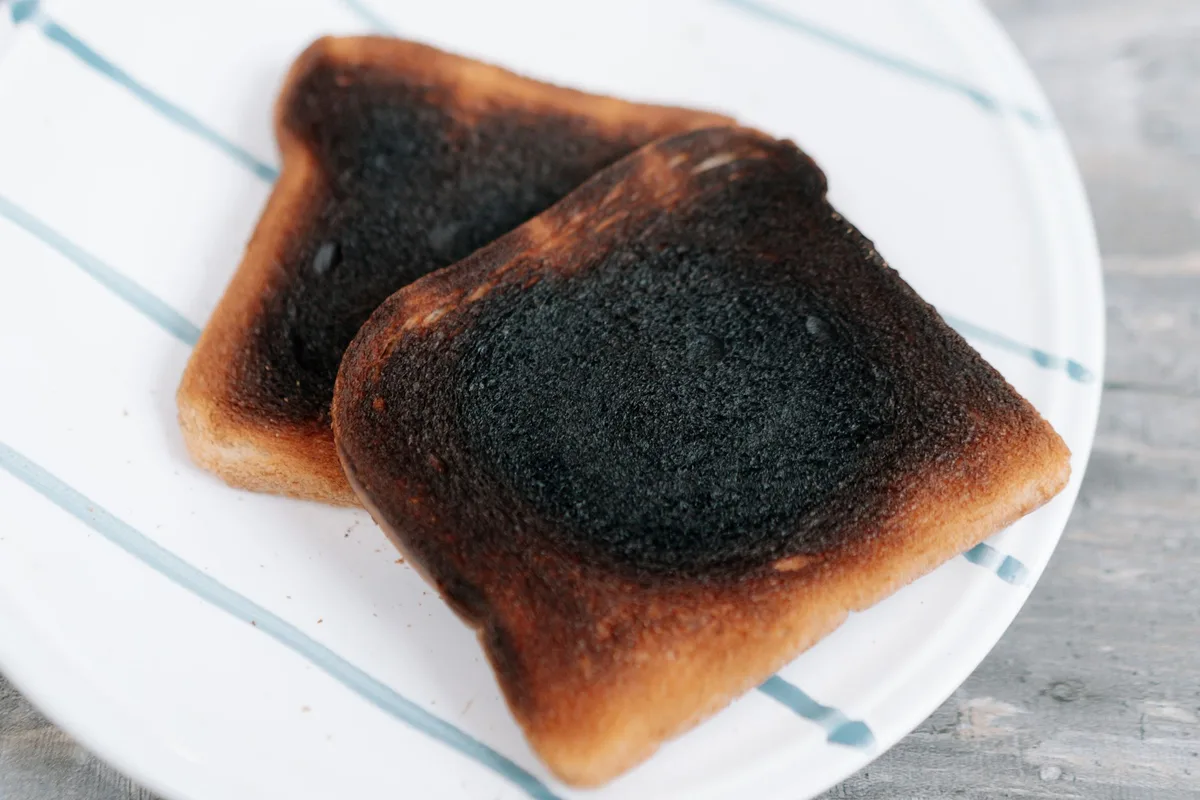
That brown, sticky, crusted mess on your favourite tray isn’t hopeless. How to clean burnt baking pan comes down to two things: what the pan is made of, and what kind of burn you’re dealing with. Most people get this backwards.
They grab the harshest scrubber they own and go at it, which either wrecks the finish or barely touches the residue.
The right method is almost always gentler than you’d expect. Burnt sugar is water-soluble, so a hot soak does most of the work. Polymerised grease, the orange-brown varnish that laughs at dish soap, needs alkaline chemistry and time instead of muscle.
As of 2026, manufacturer care guides from brands like Nordic Ware, USA Pan and Lodge still warn against the abrasives most home cooks reach for first. So let’s sort out which branch you’re on.
Quick Answer
Cleaning a burnt baking pan starts with a hot, soapy soak of at least 30 minutes. Burnt sugar and starch usually dissolve without scrubbing. For baked-on grease, spread a baking soda paste and let it sit.
Scrape with a nylon tool, never steel wool on coated pans. Repeat the soak cycle instead of scrubbing harder.
The Two Questions That Decide Everything
Before you touch the pan, answer these two questions. They send you down completely different paths.
Question 1: What is the pan made of? This decides what chemicals and tools are safe. Alkaline cleaners that are perfect on stainless steel will grey and pit bare aluminium.
Question 2: What kind of burn is it? Sticky, glossy, or hard sugar residue dissolves in water. Dark, dry, varnish-like grease does not.
The 30-second material test
Not sure what you’ve got? Run this quick check.
- Magnet sticks, pan is heavy and dark: cast iron or carbon steel.
- Magnet sticks, thin and shiny: stainless steel or tin-plated steel.
- No magnet, light and dull silver: aluminium or aluminised steel.
- No magnet, dark grey coating that feels slick: non-stick (PTFE) or ceramic-coated.
- Glossy white or coloured surface over metal: vitreous enamel.
- See-through: tempered glass bakeware.
Check the base stamp too. Most manufacturers print the material and the care instructions right there.
Matching the burn to the chemistry
| Residue type | What it looks like | What actually removes it |
|---|---|---|
| Burnt sugar, caramel, glaze | Hard, glassy, amber to black | Hot water and time |
| Scorched starch, batter | Dull, chalky, flaky | Hot water plus dish soap |
| Polymerised grease | Orange-brown, glossy, sticky varnish | Alkaline soak (baking soda, washing soda, oxygen bleach) |
| Carbonised char | Dry, black, powdery to hard | Soak to soften, then a pan-safe scraper |
| Burnt cheese or protein | Rubbery, tan, welded on | Enzyme dish liquid plus a long soak |
Notice what’s missing from that table. Vinegar. We’ll come back to why in a moment.
Before You Start: What Type of Pan Do You Have?
Your pan material sets the ceiling on how aggressive you can be. Get this wrong and you’ll do permanent damage while trying to help.
Bare and anodised aluminium
Aluminium is soft and chemically reactive. Strong alkalis darken it, and caustic oven cleaner strips the anodised layer outright. It also reacts with sodium hydroxide to release hydrogen gas, which is exactly why you never bag an aluminium tray with lye-based cleaner.
The Aluminum Association publishes technical guidance on aluminium surface finishes if you want the metallurgy behind it.
Safe: hot soapy soak, mild baking soda paste, non-scratch pad.
Avoid: oven cleaner, dishwasher detergent, steel wool, prolonged high-alkali soaks.
Non-stick and ceramic-coated bakeware
Coatings are the most fragile surface in your kitchen. Any abrasive creates micro-scratches that spread. Most warranties are void the moment you use a scouring pad or a caustic cleaner.
Safe: warm water soak, soft sponge, nylon scraper, gentle dish soap.
Avoid: all abrasives, oven cleaner, dry-heating the pan to burn residue off.
Stainless steel, carbon steel and cast iron
These take real punishment. Stainless handles baking soda paste, oxalic acid powder cleansers and even a stainless scourer. Carbon steel and cast iron carry a seasoning layer, so soap and long soaks strip protection and invite flash rust.
Safe on stainless: powder cleansers, boiling water, stainless scourers.
Safe on cast iron and carbon steel: chainmail scrubber, coarse salt, quick wash then immediate dry.
Glass, enamel and stoneware
Tempered glass and enamel resist chemicals well but crack or chip under impact and thermal shock. Never move a hot glass dish into cold water. In the UK and EU, Pyrex is typically borosilicate.
In the US it’s tempered soda-lime, which is more thermal-shock sensitive. Unglazed stoneware absorbs detergent, so use water and a stiff brush only.
The Rescue-or-Replace Gate: When Cleaning Isn’t Worth It
Some pans are past saving. Cleaning a damaged pan wastes an afternoon and can make it unsafe to bake with. Check for these before you start.
Replace the pan if you see:
- Flaking or blistering non-stick coating. Once the coating lifts, it will keep shedding into food. No cleaning method fixes it.
- Warping that rocks on a flat surface. Usually caused by quenching a hot pan in cold water. It bakes unevenly forever.
- Deep pitting on aluminium. Corrosion pockets trap residue and keep growing.
- Cracks or chips in glass. Any crack is a thermal-shock failure waiting to happen.
- Chipped enamel down to bare steel. The exposed metal will rust and the chip will spread.
- Crazing on stoneware glaze combined with persistent odour. The pan has absorbed too much.
Keep cleaning if you see:
- Dark brown or bronze staining that won’t lift. On aluminium and steel, that’s oxidation and patina, not filth. It’s harmless.
- Rust on carbon steel or cast iron. Rust is nearly always fixable with a scrub and re-seasoning.
- Discoloration on stainless, including rainbow heat tint. A powder cleanser removes it.
A stained pan is still a working pan. A flaking pan is not.
How to Clean Burnt Sugar and Starch
Start here if the residue came from cookies, caramel, a sugary glaze, roasted vegetables or a fruit crumble spill. Sugar and starch dissolve in water. You don’t need chemistry, you need patience.
Step by step
- Pour boiling water into the pan while it’s still warm. Enough to cover the burnt area. If the pan is already cold, use the hottest tap water plus a boiled kettle.
- Add a squeeze of dish soap. The surfactants help lift any fat mixed in with the sugar.
- Let it sit 30 minutes. Heavy caramel needs 2 to 4 hours. Overnight is fine.
- Push at the residue with a nylon pan scraper. It should slide off in sheets. If it resists, soak longer instead of pushing harder.
- Wash normally and dry immediately.
Deglazing: the fastest version
If you catch the pan while it’s still hot from the oven, deglazing takes about two minutes. Set the pan on the hob over low heat, add a cup of water, and let it simmer. Scrape gently with a wooden spatula as the sugar dissolves into the water.
Then tip it out.
Only do this with hob-safe pans. Glass bakeware, most non-stick trays and thin aluminium sheets don’t belong on a burner.
A quick warning: don’t plunge a hot metal pan into cold water. The rapid contraction is what warps sheet pans permanently.
How to Remove Polymerised Grease and Carbon Build-Up
This is the hard one. Polymerised oil is cooking fat that has cross-linked into a plastic-like film under heat. It’s not water-soluble at all, so soaking alone barely touches it.
You need an alkaline cleaner to break the fat down, plus long dwell time.
Method 1: Baking soda and hydrogen peroxide paste
Best for stainless steel, aluminised steel and enamel with moderate build-up.
- Sprinkle a thick layer of baking soda over the burnt area.
- Drizzle 3% hydrogen peroxide until you have a spreadable paste.
- Cover with cling film so the paste stays damp. Dry paste stops working.
- Wait 2 to 8 hours.
- Scrub with a non-scratch pad and rinse well.
Method 2: Oxygen bleach soak
Best for badly crusted sheet pans, roasting tins and enamel.
Dissolve two to three tablespoons of sodium percarbonate powder in enough hot water to submerge the burnt area. Hot water activates it. Soak 1 to 6 hours, then scrape.
Repeat rather than escalating if it’s close.
Method 3: The caustic oven cleaner bag
Reserve this for stainless steel and bare cast iron only. Spray the pan, seal it in a heavy bin bag, and leave it outdoors for 8 to 12 hours. Wear nitrile gloves and splash goggles.
Rinse thoroughly, then re-season cast iron.
Never use this on aluminium, anodised aluminium or non-stick. The Consumer Product Safety Commission publishes guidance on handling household caustic products, and the label directions are not optional reading.
Why baking soda plus vinegar doesn’t work
The famous fizzing combination cancels itself out. Baking soda is a base at around pH 8.3. Vinegar is an acid at around pH 2.5.
Mix them and you get carbon dioxide bubbles, water and a bit of sodium acetate. What you don’t get is an alkaline cleaner capable of breaking down fat. Use them separately or skip the vinegar entirely.