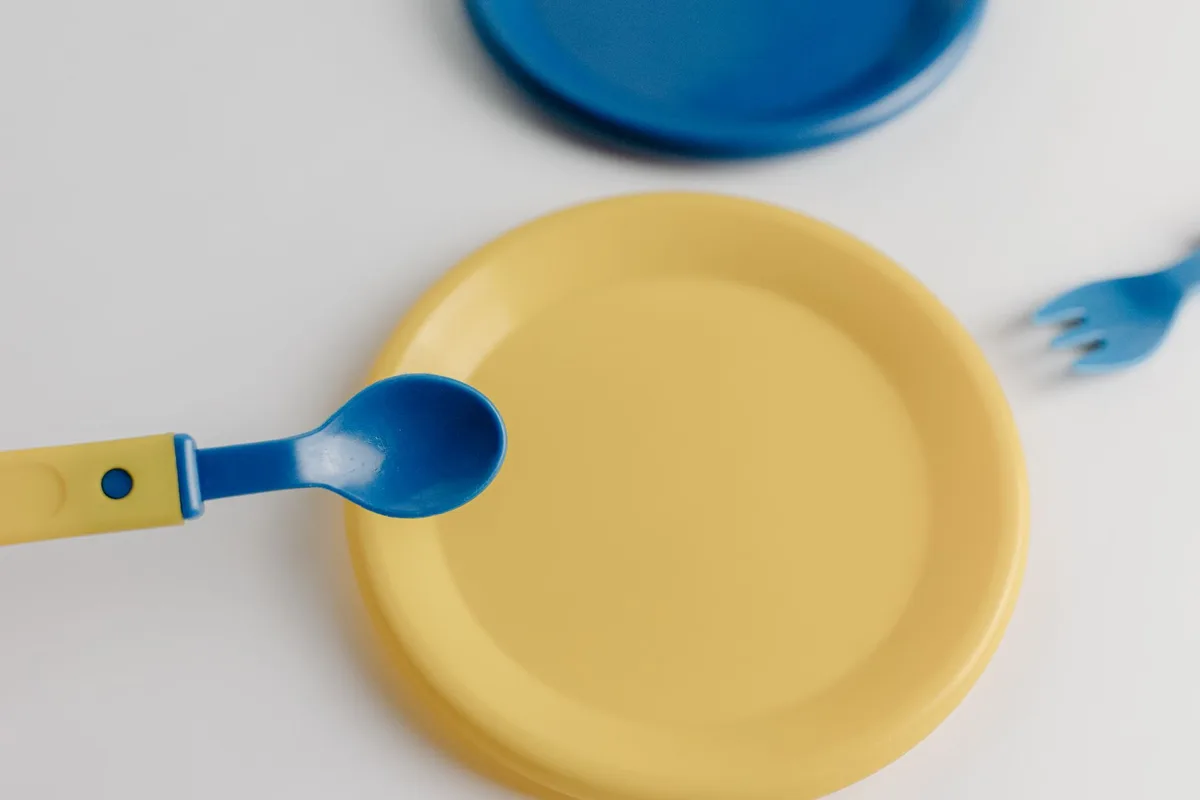
Image source: Pexels / Tara Winstead (Pexels License)
You’ve got leftovers in the fridge, a plastic plate stacked nearby, and a clock ticking. The question feels simple: can plastic plates be microwaved?
The short answer is yes, but only certain ones, and only under specific conditions. The longer answer involves symbols, chemistry, and a few risks that could ruin both your meal and your appliance.
Here’s the thing: not all plastic is created equal. Some plates handle microwave radiation without a problem. Others warp, melt, or leach chemicals into your food.
The key lies in understanding what your plate is actually made of and how it’s labeled.
Let’s break this down so you never have to guess again.
The Microwave-Safe Symbol: Your First Clue
Image source: Pexels / Lisa Fotios (Pexels License)
Before you put any plastic plate in the microwave, flip it over. Look at the bottom. You’re hunting for a specific mark, the microwave-safe symbol.
This symbol looks like a little microwave box with wavy lines inside. Sometimes it sits alone. Sometimes you’ll see it next to the recycling triangle or a set of numbers.
What does that symbol actually mean?
It tells you the plastic has been tested and approved for microwave use. The manufacturer has confirmed it won’t melt, warp, or release harmful chemicals when heated. That’s a big deal because not all plastics can handle high temperatures.
But here’s the catch: the symbol only applies to normal microwave use. That means reheating food for a few minutes, not cooking a full roast. The container might still get too hot if you run the microwave for extended periods.
If you don’t see the symbol, don’t risk it. The plate might be labeled with a recycling number, but that doesn’t automatically make it microwave-safe.
Understanding Plastic Recycling Numbers
Plastic plates often have a number inside a triangle of arrows. This is the resin identification code. It tells you what type of plastic the item is made from.
Each type behaves differently when heated.
#1 (PET or PETE), This is common in single-use drink bottles and some disposable plates. It’s not microwave-safe. Heat can cause it to break down and potentially release antimony, a chemical of concern.
#2 (HDPE), Found in milk jugs and some heavy-duty containers. Usually not designed for microwave use.
#3 (PVC), Avoid entirely. PVC can release harmful chemicals when heated. Never microwave anything made from this.
#4 (LDPE), Sometimes used in plastic wrap and squeezable bottles. Not typically microwave-safe.
#5 (PP or Polypropylene), This is your friend. Most microwave-safe plastic plates, containers, and utensils are made from polypropylene. It has a high melting point and withstands microwave heating well.
#6 (PS or Polystyrene), This is the stuff of styrofoam and some clear plastic plates. It’s not safe for microwaving. It can melt and leach styrene, which is a suspected carcinogen.
#7 (Other), This catch-all includes various plastics and blends. Some are microwave-safe, some aren’t. You need the explicit microwave-safe label here.
Remember: the recycling number alone doesn’t tell you the full story. It’s a starting point. Pair it with the microwave-safe symbol for a complete picture.
How to Identify Microwave-Safe Plastic Plates
Let’s walk through the exact steps to determine if your plate is safe.
Step 1: Check for the Symbol
Flip the plate over. Look for that wavy-line symbol. If you see it, the plate is generally good to go.
If not, move to step 2.
Step 2: Check the Recycling Number
If there’s no symbol, look for the number in the recycling triangle. If it’s a #5, you’re likely safe. If it’s #1, #3, or #6, put the plate back and grab something else.
Step 3: Check the Label
Many disposable plastic plates explicitly state “microwave-safe” or “do not microwave” right on the package. If the packaging is gone and the plate has no markings, treat it as unsafe.
Step 4: Do the Water Test
This is a quick home test you can do:
- Fill a microwave-safe glass cup with water.
- Place the empty plastic plate in the microwave alongside the cup.
- Heat for one minute.
- If the plate stays cool and the water heats up, the plate is likely safe.
- If the plate gets hot or warps, it’s absorbing microwaves, not safe.
This test works because microwave-safe materials don’t absorb microwave energy. They let it pass through to heat your food. If the plate itself heats up, it’s not suitable.
Risks of Microwaving Non-Microwave-Safe Plastic

Image source: Pexels / Katerina Holmes (Pexels License)
What actually happens when you microwave a plastic plate that isn’t designed for it? A few things, and none of them are good.
Melting and Warping
The most visible risk is physical damage. Plastic softens as it heats. Your plate might come out misshapen, with a dip in the middle or edges that curl upward.
In severe cases, it can actually melt and fuse to the microwave turntable.
Even if the plate doesn’t look damaged, invisible damage can occur. The plastic structure weakens, making it more likely to crack or shatter during future use.
Chemical Leaching
This is the more serious issue. When plastic heats up, its chemical bonds can break down. This allows compounds to migrate from the plastic into your food.
The most concerning chemicals include:
- BPA (Bisphenol A), used in some plastics to make them clear and tough. It’s an endocrine disruptor, meaning it can interfere with your hormones.
- Phthalates, added to make plastics flexible. Also linked to hormonal disruption.
- Styrene, found in polystyrene. The International Agency for Research on Cancer classifies it as a possible human carcinogen.
- Antimony, used in PET plastic production. Some studies suggest it can leach into food and drink.
The FDA regulates these substances in food-contact materials. But the regulations assume you’re using the products as intended. Microwaving a non-microwave-safe plate isn’t the intended use.
Fire Risk
In extreme cases, plastic can catch fire in the microwave. It requires very high temperatures and usually involves thin plastic that degrades quickly. But it’s not impossible.
Leaving a non-safe plastic plate in the microwave unattended could create a dangerous situation.
How the FDA Regulates Plastic Food Containers
The U.S. Food and Drug Administration has a process for regulating food-contact materials. They require manufacturers to test their products and provide data showing that chemicals don’t migrate into food at unsafe levels.
When you see the microwave-safe symbol, it means the manufacturer has submitted this data for that specific product, under specific conditions.
But here’s what you need to know: the approval is tied to realistic use. If a manufacturer says a plate is microwave-safe, it’s typically safe for reheating normal food for a few minutes. It doesn’t mean the plate is safe for extreme conditions like:
- Running the microwave empty with the plate inside
- Microwaving for extended periods (beyond 5-10 minutes)
- Using in an oven or broiler
- Heating foods with high fat or sugar content, which can reach higher temperatures than water-based foods
The FDA also doesn’t require manufacturers to test every color, print, or design variation separately. So a printed design on a plastic plate might behave differently than the base plastic.
For more information on how the agency oversees food-contact substances, you can check the FDA’s official guidance on food contact substances.
Disposable vs. Reusable Plastic Plates
The distinction between disposable and reusable plastic plates matters more than you might think.
Disposable Plastic Plates
These are made to be used once and thrown away. They’re typically thin and lightweight. Most are not microwave-safe because the plastic is too thin to withstand heat without warping.
The issue is that you might not know what type of plastic they’re made from. Some disposable plates are made from #5 polypropylene and are actually okay for short microwave use. Others are #6 polystyrene or mixed materials.
Here’s the rule: if a disposable plate doesn’t explicitly say “microwave-safe” on the package, don’t microwave it. The cost of being wrong is warped plastic and potentially contaminated food.
Reusable Plastic Plates
Reusable plates, like those from brands like Snapware or Pyrex (which makes some plastic products despite its glass reputation), are more likely to be microwave-safe. They’re thicker and built to handle repeated use.
Many reusable plastic plates are made from polypropylene or melamine. Wait, melamine is a different story.
The Melamine Exception
Melamine plates are hard, glossy, and often look like ceramic. You’ve probably eaten off them at picnics or in casual restaurants.
Here’s the kicker: melamine is not microwave-safe. Not at all. Even if it doesn’t carry a warning label.
Melamine is a type of plastic that can release melamine and formaldehyde when heated. These substances can migrate into food, especially acidic foods. The FDA has set limits on melamine migration, but heating in a microwave can exceed those limits.
So if you have melamine plates, don’t microwave them. Even if they’re sturdy and seem heat-resistant. Even if they don’t have any warning labels.
They’re not safe for microwave use.
Comparing Plastic Plates to Other Materials
To put things in perspective, let’s compare plastic to other common plate materials.
Glass
Glass is generally microwave-safe. It doesn’t leach chemicals and doesn’t warp. The main risk is thermal shock, sudden temperature changes can cause it to shatter.
But standard reheating is no problem.
Ceramic
Ceramic plates are usually microwave-safe. The exception is if they have metallic trim or glaze issues. Check for metallic paint or gold rims, those can spark in the microwave.
Melamine
As mentioned, melamine is not microwave-safe despite looking like ceramic.
Paper
Paper plates are sometimes microwave-safe, sometimes not. They need to be labeled as such. Wax-coated or plastic-coated paper can melt or catch fire.
Plastic
The verdict depends entirely on the type and labeling. Microwave-safe plastic is convenient and functional. Non-safe plastic is a hazard.
Best Practices for Microwaving Plastic Plates
If you’ve confirmed your plastic plate is microwave-safe, follow these practices to keep things safe:
Use Short Intervals
Don’t blast your food for 10 minutes straight on a plastic plate. Use shorter intervals and check the food periodically. This gives you a chance to notice any warping or unusual smells before things get bad.
Avoid High-Fat Foods
Fats absorb microwave energy quickly and reach high temperatures. Foods like bacon, fried items, or butter-heavy dishes can get hot enough to damage plastic. This is true even for microwave-safe containers.
Leave Space
Don’t stack plates or press food tightly against the edges. Heat concentrates around crowded areas, increasing stress on the plastic.
Let It Cool Down
Wait a bit before removing the plate from the microwave. Steam inside the microwave can cause the plastic to heat unevenly.
Discard Damaged Plates
If you notice any warping, cracking, or discoloration, throw the plate away. Damage weakens the plastic structure and increases the risk of chemical leaching.
What About Plastic Wrap and Lids?
Plastic plates aren’t the only plastic in the microwave conversation. Plastic wrap and lids come into play too.
Plastic Wrap
Most plastic wraps are microwave-safe if you follow the instructions. The key is to keep the wrap from touching the food directly. The plastic can melt onto food and transfer chemicals.
Leave a small vent for steam to escape.
Containers with Lids
If your plastic plate comes with a matching lid, check both for the microwave-safe symbol. Lids often have melting points different from the container body.
Common Myths About Microwaving Plastic
Let’s clear up some confusion that keeps circulating.
Myth: All plastic is unsafe in the microwave
Not true. Many plastics are specifically designed for microwave use. The label tells you.
If it says microwave-safe, it’s safe for normal use.
Myth: If it doesn’t melt, it’s safe
Warping and melting are visual signs of damage, but chemical changes can happen without visible changes. You can’t see chemical migration.
Myth: BPA-free makes it safe
BPA-free is good, but it’s not the only chemical to worry about. Some BPA-free plastics still contain phthalates or other additives.
Myth: You can just use a lower power level
Lower power reduces the temperature, which reduces the risk. But it doesn’t eliminate it. A plate that isn’t designed for microwaving is still unsafe even at lower power.
How to Tell If a Plate Is Microwaved-Damaged
Sometimes you microwave a plate that seemed safe, and something looks slightly off. Here’s what to watch for:
Visual signs:
- Bubbling or blistering on the surface
- Cloudiness that wasn’t there before
- Cracks or crazing
- Discoloration or burning marks
Physical signs:
- Warping (the plate doesn’t sit flat)
- Soft spots or tacky areas
- A chemical or burnt plastic smell
If you notice any of these, stop using the plate immediately. Even if the food tasted fine, the plate has degraded and may be leaching chemicals into your meals.
The Environmental Angle
Here’s a broader thought: even when you can microwave plastic plates safely, should you?
Single-use plastic plates create significant waste. Most are made from petroleum-based materials and aren’t biodegradable. While microwave-safe options exist, you’re still using a product designed for a short lifespan.
If you’re microwaving frequently, consider:
- Glass containers with plastic lids (remove lids before heating)
- Ceramic plates (check for metallic trims)
- Microwave-safe reuseable plastic containers that last for years
These options reduce waste and give you more consistent results.
What About the “Recyclable” Label?
Some plastic plates are labeled as recyclable. That’s a separate issue from microwave safety. Recyclability tells you what happens at the end of the plate’s life, not how it behaves under heat.
Don’t assume a recyclable plate is microwave-safe. Check the microwave symbol separately.
Real-World Scenarios
Let’s walk through some common situations to give you a concrete sense of what to do.
Scenario 1: You bought a pack of plain white plastic plates from the grocery store.
Check the package. Most brands print a small microwave-safe symbol or say “Microwave Safe” in the description. If it’s not there, assume it’s not safe.
Scenario 2: You’re at a friend’s house and they offer you a plastic plate.
Ask them if it’s microwave-safe. If they’re not sure, transfer your food to a glass or ceramic dish instead.
Scenario 3: You have a leftover takeout container made of plastic.
Takeout containers are often #5 polypropylene, which is microwave-safe. But the thin walls and potential for food staining make them less reliable. Transfer the food to a proper plate or bowl.
Scenario 4: You have a toddler’s plastic plate that’s decorated with fun characters.
Many children’s plates are made from melamine or BPA-containing plastics. Check the label carefully. Kids’ plates often have specific safety claims, but those claims don’t always include microwave safety.
The Bottom Line: Can Plastic Plates Be Microwaved?
Yes, but only if:
- The plate explicitly shows a microwave-safe symbol
- The plate is made from #5 polypropylene (or another microwave-safe material)
- You follow normal reheating practices, short times, moderate temperatures
- The plate shows no signs of damage
If any of these conditions aren’t met, don’t microwave the plate. Get a glass or ceramic dish instead.
The convenience of plastic plates isn’t worth the risk of melted plastic, chemical exposure, or a ruined meal. A few extra seconds of transferring food to a safe container keeps your health and your kitchen equipment protected.
Now you know exactly what to look for. Flip that plate, check for the symbol, and microwave with confidence.
1 thought on “Can Plastic Plates be Microwaved”