Let’s get one thing straight right now: a rusty cast iron Dutch oven is not ruined. It looks awful, sure. That orange-brown dust flakes off on your hands, and you’re probably wondering if the pot is safe to use.
But the good news is that rust is just surface oxidation. It hasn’t eaten through the metal. With the right technique, you can strip that rust away and bring your Dutch oven back to life.
I’ve restored dozens of rusty cast iron pieces, some that looked like they’d been dragged out of a lake. Every single one came back. Yours will too.
This guide walks you through the fastest, safest way to clean rust from a cast iron Dutch oven, using tools you probably already have in your kitchen.
Why Does Rust Form on Cast Iron?
Cast iron is mostly iron. Iron + oxygen + moisture = rust. It’s that simple.
If you leave your Dutch oven wet after washing, or store it in a damp cabinet, or live in a humid climate, rust will eventually appear. The seasoning layer, the black polymerized oil that makes cast iron non-stick, is supposed to protect the metal. But if the seasoning chips or wears off, the bare iron underneath is exposed.
Even a well-seasoned Dutch oven can rust if you soak it in water overnight or run it through a dishwasher. (Don’t do that, by the way. Dishwashers are the enemy of cast iron.)
Is Rusty Cast Iron Safe to Use?
Yes, but only after you remove the rust. A little surface rust won’t kill you, iron oxide isn’t toxic in small amounts, but it tastes metallic and can flake into your food. More importantly, rust continues to spread under the seasoning, weakening the pot over time.
You want it gone.
The real risk isn’t the rust itself. It’s the pitting that can happen if rust sits too long. Deep pits are hard to clean and can trap food.
That’s why you should tackle rust as soon as you spot it.
What You’ll Need to Clean Rust from a Cast Iron Dutch Oven
Before you start, gather these supplies. Most are already in your pantry or garage.
- Steel wool (fine grade, #0000 or #000)
- Coarse salt or baking soda (acts as an abrasive)
- Dish soap (a small amount is okay, this is a one-time deep clean)
- A stiff-bristled brush or a scrub pad
- White vinegar (for stubborn rust)
- Paper towels or a clean cloth
- Vegetable oil or flaxseed oil (for reseasoning)
- Rubber gloves (optional, but recommended when handling vinegar)
Do not use copper wool or anything that might leave metal particles embedded. Stick to plain steel wool.
Step-by-Step: How to Remove Rust from Cast Iron Dutch Oven
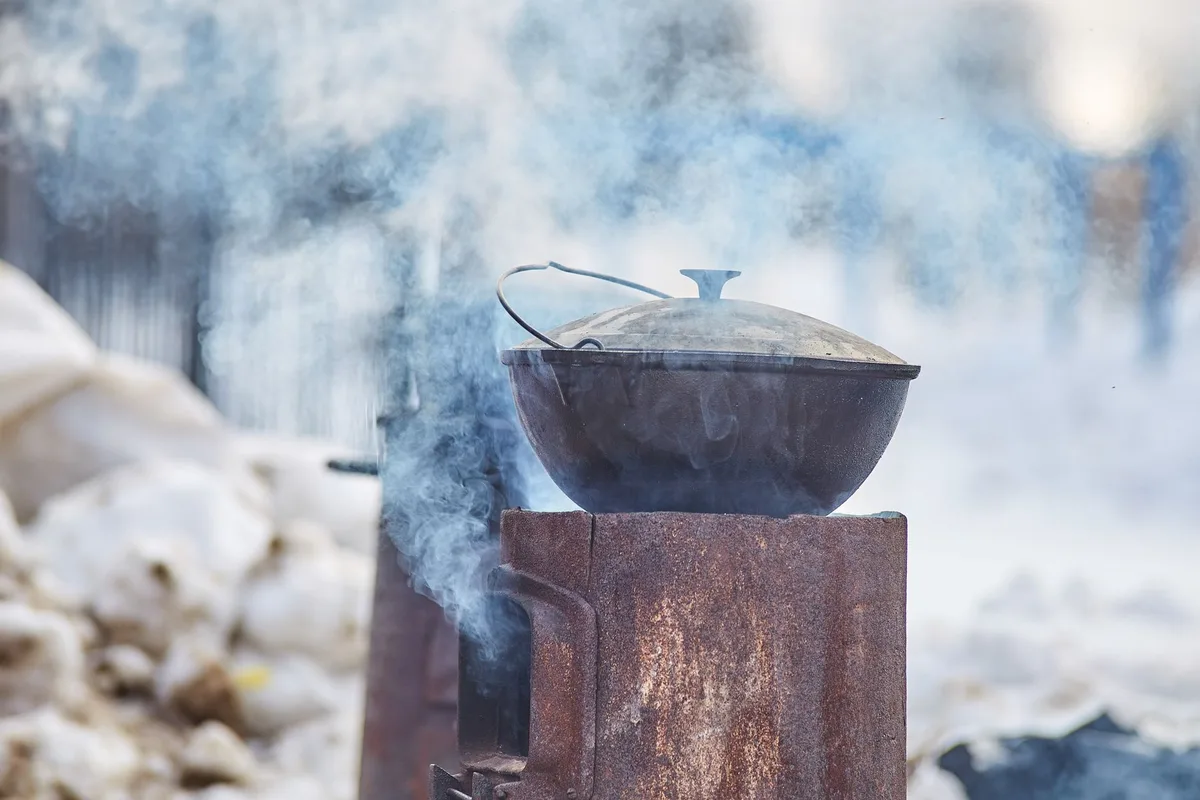
Step 1: Scrub off the Loose Rust
Start with dry scrubbing. Sprinkle a generous amount of coarse salt into the Dutch oven. Add a few drops of water, just enough to make a paste.
Use a paper towel or a scrub brush to work the salt into the rusted areas. The salt grinds away the loose flakes without scratching the iron.
If the rust is light, this step alone might be enough. Rinse the pot, dry it thoroughly, and check. If you still see orange patches, move to the next step.
Step 2: Use Steel Wool and Soap
Wet the Dutch oven and add a drop of dish soap. Take a piece of fine steel wool and scrub the rusted spots in circular motions. The soap lubricates the steel wool and helps lift the rust.
Don’t be afraid to apply pressure, the iron is tough.
For a Dutch oven with a smooth interior, this usually removes moderate rust in a few minutes. Rinse the pot and dry it with a paper towel. If the towel comes away clean, you’re good.
If it still shows orange stains, you need a chemical approach.
Step 3: Vinegar Soak for Stubborn Rust
White vinegar is a mild acid that dissolves iron oxide. Mix equal parts white vinegar and water in a container large enough to submerge your Dutch oven. If your pot is too big for a bucket, you can soak a towel in the vinegar solution and lay it over the rusted areas.
Let it sit for 30 minutes to an hour. Check every 15 minutes. Do not leave it longer than two hours, vinegar can etch the iron if left too long.
You’ll see the rust turn into a greyish sludge. That’s the iron oxide reacting with the acid.
After the soak, scrub the pot with steel wool and soap again. The rust should come off easily. Rinse thoroughly and dry immediately.
Step 4: Neutralize and Dry Completely
Vinegar leaves an acidic residue that can cause flash rust, a thin layer of orange that appears within minutes of drying. To prevent that, rinse the pot with warm water and a little baking soda. The baking soda neutralizes any remaining acid.
Then dry the Dutch oven with a paper towel, then place it on a low-heat stove burner or in a warm oven (200°F) for 10 minutes to drive off all moisture.
Do not skip the drying. Moisture is what starts the rust cycle again.
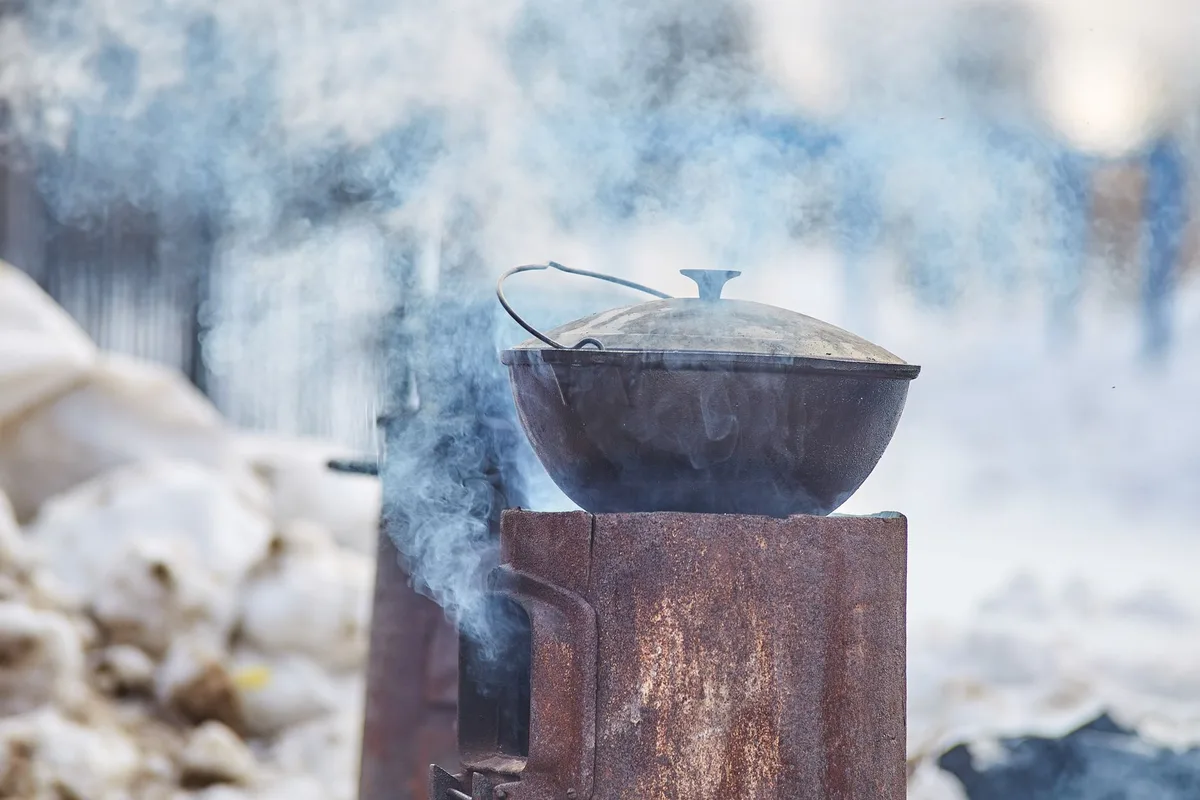
How to Season a Cast Iron Dutch Oven After Rust Removal
Once the rust is gone, you have bare iron. Bare iron rusts in minutes if exposed to air. So the next step is critical: reseasoning.
Seasoning is the process of applying a thin layer of oil and heating it past its smoke point. The oil polymerizes, creating a hard, non-stick coating that also protects against rust.
Here’s the method I use:
- Preheat your oven to 450°F (232°C).
- Apply a very thin layer of oil to the entire Dutch oven, inside and out. Use a high-smoke-point oil like flaxseed, grapeseed, or vegetable oil. Avoid olive oil or butter; they burn too easily.
- Wipe off the excess oil with a paper towel. You want it almost dry. Too much oil will pool and leave sticky spots.
- Place the Dutch oven upside down on the middle oven rack. Put a baking sheet or foil on the rack below to catch any drips.
- Bake for one hour. Then turn off the oven and let the pot cool inside.
Repeat this process two or three times for a strong, dark seasoning. Each layer adds durability.
Alternative Rust Removal Methods (When Scrubbing Isn’t Enough)
Sometimes the rust is too deep for vinegar and steel wool. Maybe you bought a thrift-store Dutch oven that sat in a shed for years. In that case, you have a few stronger options.
Electrolysis
This is the gold standard for restoring heavily rusted cast iron. It uses a low-voltage electrical current to convert rust back into iron. You’ll need a plastic bucket, a battery charger, a piece of sacrificial steel (rebar works), and washing soda.
It sounds complicated, but it’s actually quite safe and incredibly effective.
Electrolysis doesn’t damage the original iron, leaves no scratches, and reaches into every crevice. If you plan to restore multiple pieces, it’s worth learning. There are plenty of detailed tutorials online, including guides from the University of Minnesota Extension on safe DIY electrolysis setups.
Chemical Rust Removers
Commercial rust removers like Evapo-Rust or Naval Jelly work well. They contain chelating agents that bind to iron oxide. You simply submerge the pot and wait.
These products are non-toxic when used as directed, but they’re not food-safe until you’ve washed and reseasoned thoroughly.
The downside: they cost money and you have to dispose of the solution properly. I prefer electrolysis or vinegar for most jobs.
How to Prevent Rust on a Cast Iron Dutch Oven
Cleaning rust is a hassle. Preventing it is much easier. Follow these habits and you’ll rarely see orange again.
- Dry your Dutch oven immediately after washing. Heat it on the stove for a minute to evaporate hidden moisture.
- Apply a thin layer of oil after every use. Rub a drop of oil over the interior and exterior with a paper towel. This maintains the seasoning and seals the iron.
- Store it with the lid slightly ajar. A tight seal traps humidity. I place a folded paper towel between the lid and pot to allow airflow.
- Never soak it in water. Cast iron is not like stainless steel. A quick scrub with a stiff brush and hot water is all it needs.
- Avoid cooking acidic foods like tomato sauce or wine-based dishes until the seasoning is well established. Acid can strip a fresh seasoning layer.
If you follow these steps, your Dutch oven will stay rust-free for years. I have a Lodge that’s been in my family for three decades. It looks black and glossy, not a speck of rust.
Frequently Asked Questions
Can I use sandpaper to remove rust from cast iron?
Yes, but only as a last resort. Sandpaper scratches the surface, leaving grooves that are hard to season. If you must use it, stick to a very fine grit (220 or higher) and sand only the rusted areas.
Then reseason multiple times to fill the scratches.
Is it okay to use a rusted cast iron Dutch oven if I scrape the rust off?
I wouldn’t. Scraping removes the visible rust, but microscopic rust remains. It will continue to spread under the seasoning.
You’ll end up with a patchy, uneven surface. Do the full cleaning process, it’s not that much more work.
How do I clean rust from the outside of a Dutch oven?
The same methods work on the exterior. Scrub with salt, use steel wool, or soak in vinegar. Just be careful not to remove the manufacturer’s enamel if your Dutch oven has any.
Some modern Dutch ovens have an enameled exterior, treat that gently and avoid harsh abrasives.
Can I use the oven self-cleaning cycle to burn off rust?
Technically yes, but I don’t recommend it. The high heat (800°F+) can warp the iron, crack the handle, and ruin the temper. It also creates a lot of smoke.
Stick to chemical or mechanical methods.
Why does my Dutch oven keep rusting after I clean it?
Two likely reasons: you’re not drying it thoroughly enough, or you’re not applying enough oil after cleaning. The seasoning layer is what blocks oxygen. If you skip the oil, the bare iron will rust again within hours.
Make post-cleaning oiling a non-negotiable step.
Final Thoughts on Cleaning Rust from Cast Iron Dutch Ovens
A rusty Dutch oven is not a lost cause. It’s a project. With a little salt, some steel wool, and maybe a splash of vinegar, you can strip that rust and start fresh.
The key is to act quickly, dry thoroughly, and reseason properly.
I’ve restored pots that looked like they belonged in a shipwreck. After a vinegar soak, a scrub, and three rounds of seasoning, they turned out better than new. The seasoning I built was stronger than the factory coating.
So don’t throw that Dutch oven away. Don’t relegate it to the back of the cupboard. Give it the treatment I’ve outlined here.
You’ll be cooking chili, baking bread, and braising short ribs in it again within a day.
And next time, keep it dry.