Image source: Pexels / Deane Bayas (Pexels License)
Walk into any kitchen store, and you’ll see rows of pans hanging from racks. Some are deep, some are shallow. Some have lids, others don’t.
But the one pan every cook reaches for more than any other? That’s the skillet.
I’ve spent years cooking professionally and at home, and I can tell you this: the skillet is the backbone of the kitchen. It’s the first pan I pull out when I want to sear a steak, fry an egg, or toss vegetables. And if you’re wondering what makes a skillet different from a frying pan, or why some skillets cost $20 while others cost $200, you’re in the right place.
Let’s break down everything you need to know about this essential piece of cookware.
What Exactly Is a Skillet?
A skillet is a flat-bottomed frying pan with low, slightly flared sides. It has a long handle, usually made of metal or heat-resistant material, so you can grip it safely while cooking.
The defining features are simple:
- Flat bottom that sits evenly on your stovetop
- Low sides (typically 1 to 2 inches high) that angle outward
- Long handle for safe gripping away from heat
- No lid (though some sets include one as an add-on)
That’s it. No complicated design. No special mechanisms.
Just a simple, flat cooking surface that does the heavy lifting for most of your meals.
The word “skillet” comes from the Old French escuelette, which means a small dish or platter. Over centuries, it evolved into the English term we use today. But while the name is old, the design remains timeless because it works so well.
Skillet vs. Frying Pan: What’s the Difference?
People use the terms “skillet” and “frying pan” interchangeably, and honestly, for most home cooks, they’re the same thing. But there’s a subtle distinction worth knowing.
A frying pan typically has a more rounded curvature where the bottom meets the sides. This slight curve makes tossing food easier, think flipping pancakes or shaking mushrooms around. You can slide a spatula under food effortlessly because there’s no sharp corner to catch on.
A skillet, on the other hand, has more defined sides that meet the bottom at a clearer angle. This gives you a bit more cooking surface area and makes it easier to use a spatula to flip or turn food. The straighter sides also help contain splatter when you’re searing at high heat.
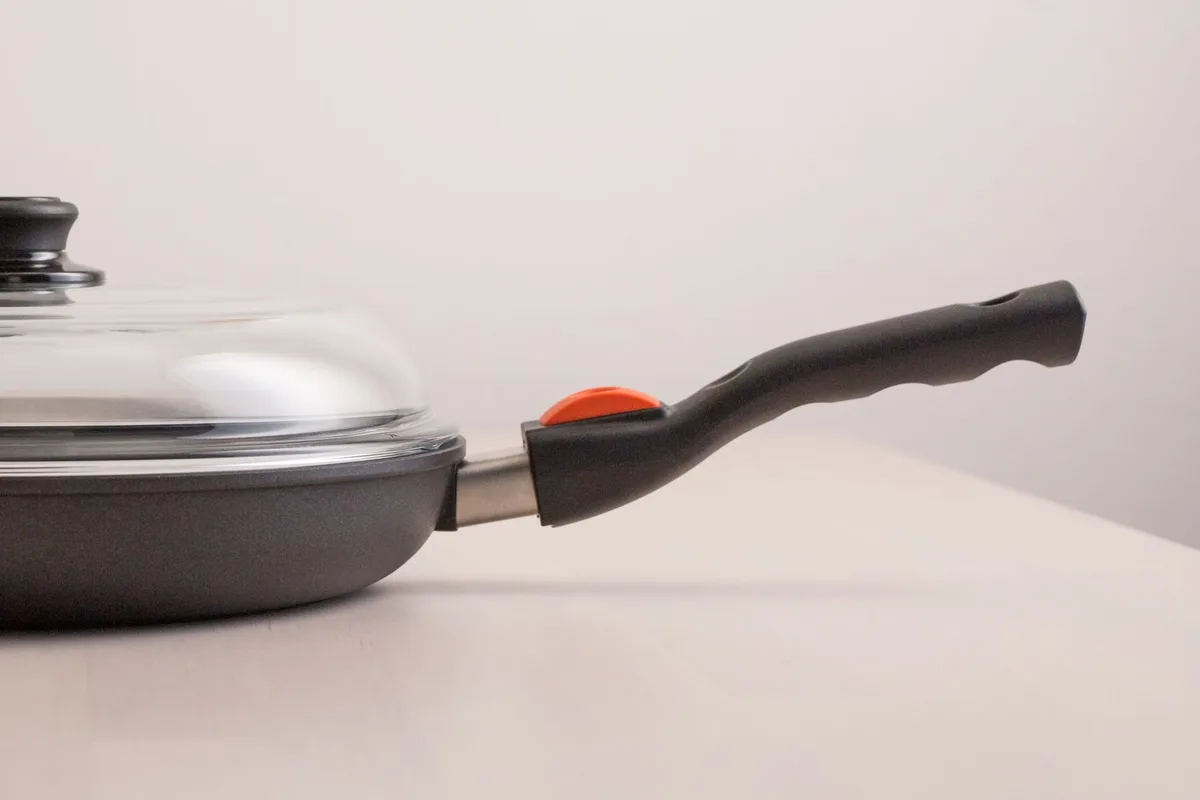
Image source: Pexels / Sternsteiger Stahlwaren (Pexels License)
In practice? The difference matters almost nothing for daily cooking. You’ll use both the same way, cook the same foods, and get the same results.
But if you want to sound like a cookware nerd at dinner parties, now you know the distinction.
What is a Skillet Made Of?
Skillets come in several materials, each with its own strengths and weaknesses. Here’s what you’ll find on the market today:
Cast Iron
Cast iron skillets are the classic choice. They’ve been around for centuries, and for good reason. These pans heat evenly and hold that heat incredibly well.
Once your cast iron skillet is hot, it stays hot.
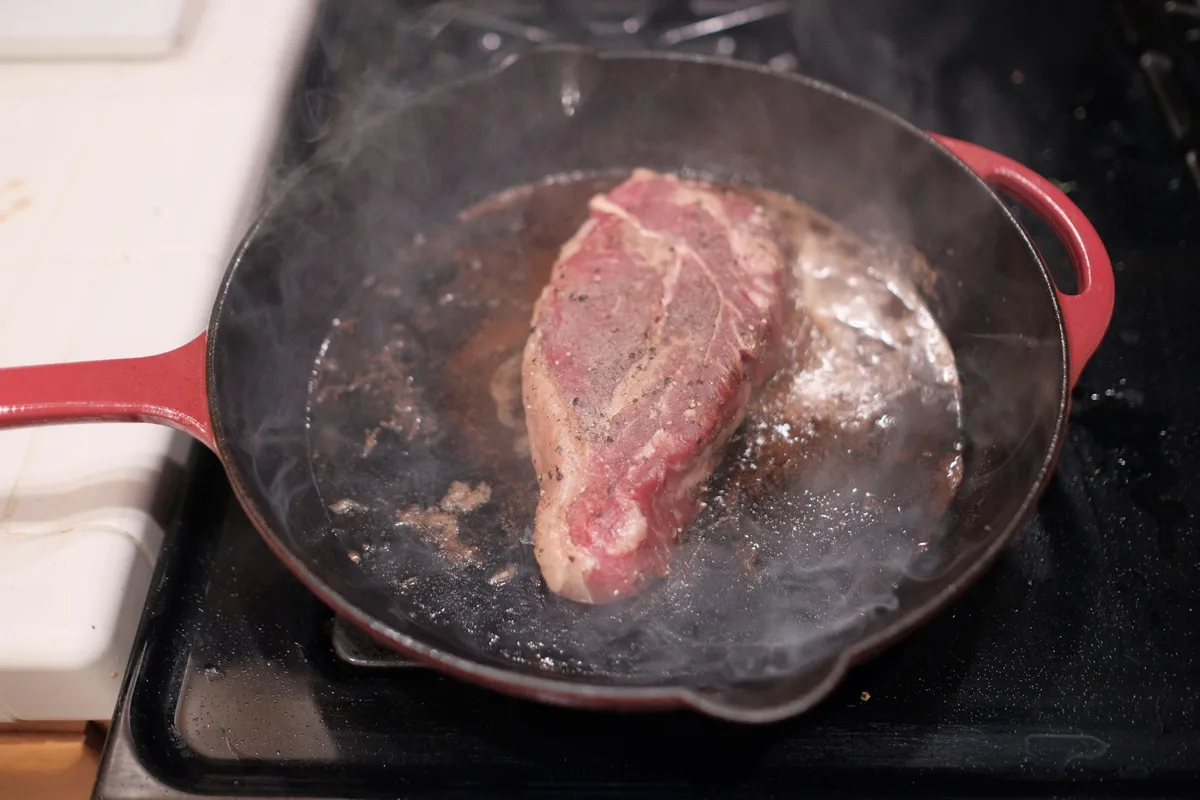
That’s why cast iron is perfect for searing meat. You get a beautiful crust on a steak that would leave thinner pans struggling.
Cast iron is also nearly indestructible. Drop it, bang it, put it in a hot oven, it shrugs it off. With proper care, a cast iron skillet can last generations.
Many families pass down their cast iron pans as heirlooms.
The down side? Cast iron needs seasoning. This means you have to treat it with oil and heat to create a non-stick surface.
And you can’t wash it with soap and water like a regular pan (well, you can if it’s well-seasoned, but you’ll need to dry it immediately). It’s heavy too, so if you have wrist issues, it might not be your go-to.
Stainless Steel
Stainless steel skillets are the workhorses of professional kitchens. They’re lightweight, durable, and don’t react with acidic foods. You can deglaze with wine, simmer tomato sauces, and cook just about anything without worry.
Many stainless steel skillets have an aluminum or copper core sandwiched between layers of steel. This combination gives you the excellent heat conduction of those metals with the durability and non-reactive surface of steel.
The learning curve with stainless steel is real. Food sticks if the pan isn’t hot enough or if you haven’t added enough fat. But once you master the technique (preheat properly, add oil, then food), stainless steel becomes your most reliable pan.
Non-Stick
Non-stick skillets have a coating, usually PTFE or ceramic, that prevents food from sticking. They’re perfect for delicate foods like eggs, fish, and crepes. Cleanup is a breeze; a quick wipe and you’re done.
The trade-off? Non-stick coatings wear out over time. They can’t handle high heat or metal utensils, and they shouldn’t go in the dishwasher.
Most non-stick skillets need replacing every few years, unlike cast iron or stainless steel that can last forever.
Carbon Steel
Carbon steel sits somewhere between cast iron and stainless steel. It’s lighter than cast iron, heats quickly, and develops a non-stick seasoning similar to cast iron. Professional chefs love carbon steel skillets for tasks that require quick temperature adjustments, like stir-frying or sautéing vegetables.
It requires the same seasoning care as cast iron, but it’s easier to maneuver because of the lighter weight.
Copper
Copper skillets are beautiful and conduct heat better than any other material. They respond instantly to temperature changes, giving you precise control.
The downside is cost and maintenance. Copper skillets are expensive, and they tarnish quickly. Most copper pans are lined with tin or stainless steel to prevent copper from leaching into food.
Ceramic-Coated
These are a newer addition to the market. They feature a ceramic non-stick coating over a metal base, usually aluminum. They’re free of PTFE and PFOA, making them a popular choice for health-conscious cooks.
Ceramic coatings are more eco-friendly than traditional non-stick, but they don’t last as long. The coating can chip or lose its non-stick properties within a year of heavy use.
What is a Skillet Used For?
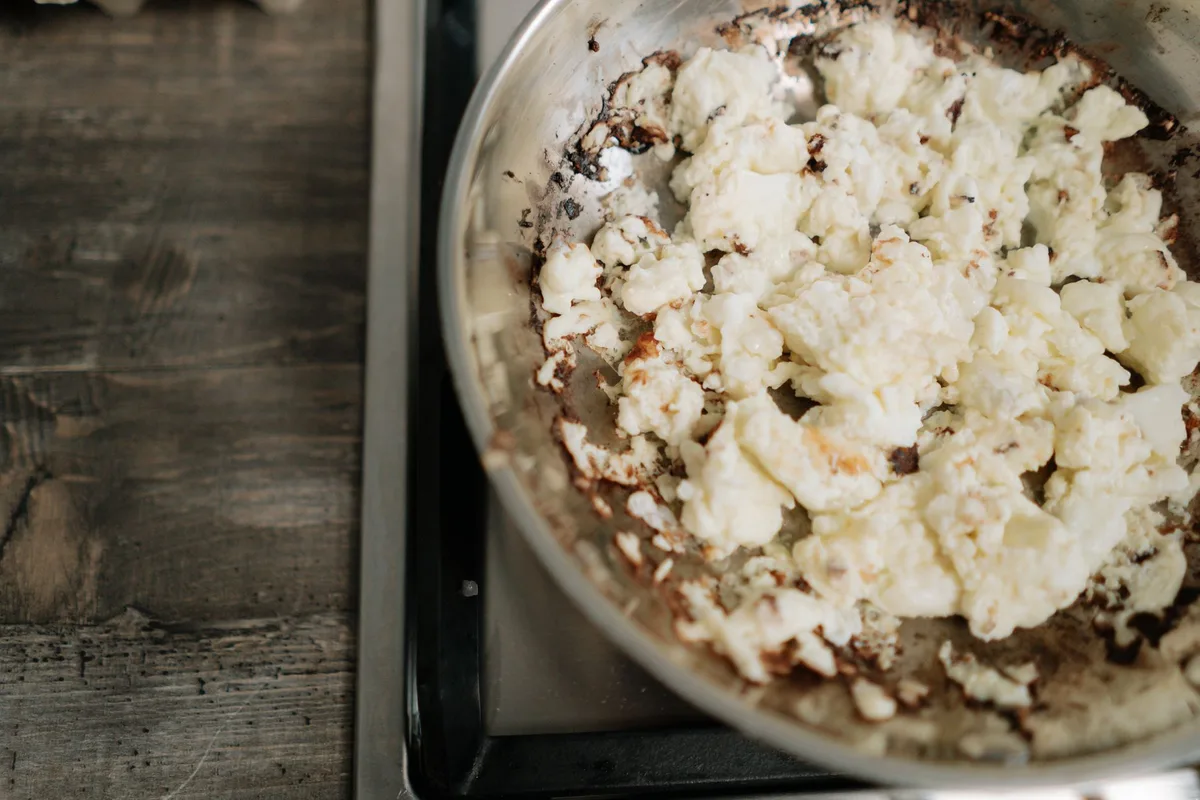
Image source: Pexels / cottonbro studio (Pexels License)
The skillet is the most versatile pan in your kitchen. You can use it for almost any cooking method that doesn’t require deep liquid. Here are the most common uses:
Searing and Browning
This is what skillets do best. The wide, flat surface gives meat maximum contact with heat, creating that golden-brown crust full of flavor. Whether you’re searing chicken thighs, pork chops, or a thick ribeye, a skillet delivers restaurant-quality results at home.
Sautéing and Stir-Frying
The low, flared sides make it easy to toss vegetables, herbs, and small ingredients. You can keep things moving with a quick flick of the wrist, or use a spatula to turn them regularly. Sliced mushrooms, diced onions, bell peppers, they all cook beautifully in a skillet.
Frying and Pan-Frying
Shallow frying works perfectly in a skillet. You can crisp up chicken cutlets, fish fillets, or homemade latkes in about a quarter-inch of oil. The sides keep the oil contained, and the wide surface lets you cook multiple pieces at once.
Baking and Roasting
Many skillets are oven-safe, which means you can start a dish on the stovetop and finish it in the oven. This technique is perfect for:
- Frittatas and crustless quiches
- Cornbread
- Dutch baby pancakes
- Roasted chicken or pork
- Baked pasta dishes
Cast iron skillets are especially good for this since they handle high oven temperatures with ease.
Deglazing and Making Sauces
After searing meat, a skillet holds all those browned bits stuck to the bottom. Add wine, broth, or stock, and scrape them up with a wooden spoon. You’ve just made the base for a delicious pan sauce.
One-Pan Meals
Skillets let you cook an entire dinner in one pan. Sear the chicken, remove it, sauté the vegetables in the same pan, then add the chicken back. No extra pots to wash, and the flavors build on each other as you go.
How to Choose the Right Skillet for Your Kitchen
Selecting a skillet seems simple, but there’s more to it than grabbing the first one you see. Consider these factors:
Size Matters
Skillets come in sizes from tiny 6-inch pans to massive 15-inch monsters. The most useful sizes for home cooks are:
- 8-inch: Perfect for single servings, eggs, or small omelets
- 10-inch: The best all-around size for everyday cooking
- 12-inch: Great for families or batch cooking
I recommend starting with a 10-inch skillet. It handles most recipes without being too heavy to maneuver. If you cook for more than two people regularly, add a 12-inch to your collection.
Weight and Handling
Hold the skillet before you buy it. Does it feel comfortable in your hand? Can you lift it with one hand while it’s full of food?
If you struggle to lift the pan at the store, you’ll really struggle when it’s loaded with a whole chicken.
Handle Design
Check the handle carefully. It should stay cool when the pan is on the stove (or at least have a comfortable grip you can wrap with a towel). Metal handles are oven-safe but get hot.
Plastic or rubber handles stay cool but can melt in a hot oven.
Compatibility with Your Stove
If you cook on an induction stove, you need a skillet with a magnetic base. Cast iron, carbon steel, and most stainless steel work fine. Copper and aluminum skillets don’t work on induction unless they have a magnetic layer on the bottom.
Caring for Your Skillet
Different materials need different care. Here’s a quick rundown:
Cast Iron and Carbon Steel
These pans need seasoning. After each use, wash with hot water and a stiff brush (no soap if you can help it). Dry thoroughly, then rub a thin layer of oil over the entire surface.
Heat the pan briefly to set the seasoning.
Stainless Steel
These pans can handle the dishwasher, but hand washing is gentler. Use a stainless steel cleaner if food sticks badly. For burnt-on food, soak the pan for a while, then scrub with a non-abrasive pad.
Non-Stick and Ceramic-Coated
Always use wooden, silicone, or plastic utensils. Wash by hand with mild soap and a soft sponge. Never use harsh scrubbers or abrasive cleaners.
Skip the oven if the manufacturer says it’s not oven-safe.
Common Skillet Mistakes to Avoid
Even experienced cooks make these errors. Don’t worry, I’ve made all of them myself.
Cranking the Heat Too High
You don’t need maximum heat to cook well. Most skillet cooking works best at medium or medium-high heat. High heat burns food, ruins non-stick coatings, and smokes up your kitchen.
Start moderate and adjust as you go.
Crowding the Pan
When you put too much food in a skillet, the temperature drops. Food steams instead of browning, and you get soggy results. Cook in batches.
Give each piece of food some breathing room.
Not Preheating Properly
A hot pan is key to good cooking. Let your skillet heat up before adding oil or food. This is especially important with stainless steel, a properly preheated pan is naturally non-stick.
Test it with a drop of water; it should sizzle and dance on the surface.
Using the Wrong Utensils
Metal utensils will scratch and ruin non-stick coatings. Always use wood, silicone, or plastic in coated pans. You can use metal in cast iron or stainless steel, though you might scratch the seasoning.
Is a Skillet the Same as a Sauté Pan?
No, and this confuses a lot of people. A sauté pan has straight vertical sides and is usually deeper than a skillet. It also comes with a lid.
The straight sides of a sauté pan allow for larger quantities of food and easier stirring without spillage. They’re better for braising, making sauces, or cooking dishes with lots of liquid.
The flared sides of a skillet make flipping and tossing easier but hold less volume. For most cooks, the skillet is more versatile. But if you cook stews or dishes with plenty of liquid, a sauté pan earns its place in your kitchen too.
The Bottom Line on Skillets
So what is a skillet? It’s a simple pan with flat bottom, low sides, and a long handle. But that simplicity masks remarkable versatility.
You can sear, sauté, fry, bake, roast, and sauce in a single skillet. It’s the pan that does everything.
If you’re just starting your kitchen collection, buy a quality skillet first. A 10-inch stainless steel or cast iron model will serve you well for decades. Add a non-stick pan later for eggs and delicate fish.
I’ve cooked with every type of skillet on the market, and I keep coming back to the same conclusion: nothing beats a well-made skillet. It’s not flashy or complicated, but it gets the job done every single time.
The shift toward healthier home cooking has also pushed more people to use skillets. You control the fat, the heat, and the ingredients. Unlike ultra-processed convenience foods, a skillet meal gives you complete transparency about what goes on your plate.
The USDA has long promoted home cooking as a strategy for better nutrition, and a reliable skillet makes that home cooking genuinely pleasant.
Go pick out your skillet. Heat it up properly. Add some oil, add some food, and cook something delicious.
You’ll understand exactly why this simple pan has earned its place at the center of kitchens for centuries.
1 thought on “What is a Skillet”